EL320.240.36 TFEL Display: Engineered for Reliability in Extreme Environments
EL320.240.36: 5.7-inch TFEL Display for Extreme Conditions
Unmatched Readability & Reliability in Demanding Environments
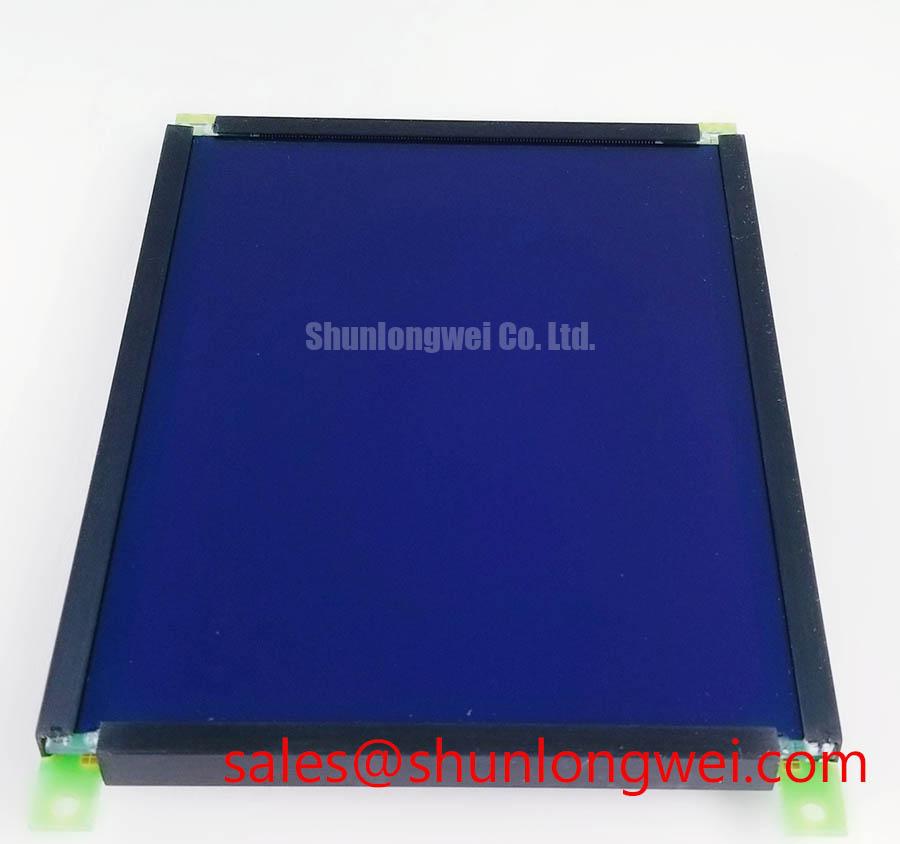
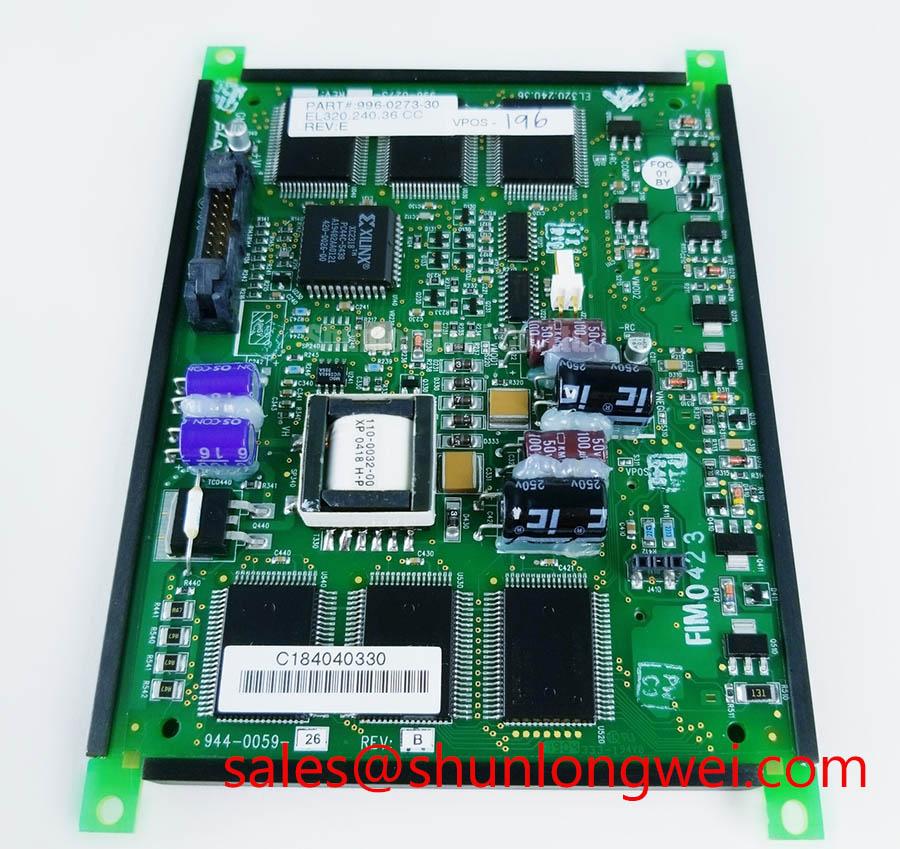
The Lumineq EL320.240.36 is a 5.7-inch Thin Film Electroluminescent (TFEL) display engineered for absolute reliability where standard LCDs fail. Its primary value stems from delivering consistent, crystal-clear readability across an exceptionally wide operating temperature range and in high-shock environments. This solid-state display technology ensures operational longevity and visual performance that is unaffected by environmental extremes, making it a critical component for mission-essential systems.
- Core Specifications: 320×240 Resolution | >50,000 hr MTBF | -40°C to +65°C Operating Temp (ET model)
- Key Advantages: Instant-on performance in extreme cold, immunity to vibration-induced damage, and a viewing angle of over 179 degrees.
- Design Challenge Solved: For systems deployed in environments with severe temperature swings or high mechanical stress, this display provides a stable and dependable human-machine interface.
Download the Official EL320.240.36 Datasheet (PDF)
A Technical Analysis of Inherent Durability
The exceptional resilience of the EL320.240.36 is rooted in its solid-state TFEL technology. Unlike liquid crystal displays, it contains no fluid-filled cavities or complex moving parts. This makes its structure inherently immune to the performance degradation and physical damage caused by high shock and vibration. Think of it like a solid-state drive versus a traditional spinning hard drive; the absence of fragile, moving components provides a fundamental advantage in harsh mechanical conditions. The datasheet quantifies this with a shock rating of 100 G and vibration tolerance of 10 G, specifications that are critical for military, transportation, and heavy industrial equipment.
Furthermore, the display’s visual characteristics remain remarkably stable across its entire operating temperature range. Key parameters like a sub-1ms response time and a high contrast ratio are maintained even at -40°C. This is a significant engineering advantage over TFT-LCDs, which can exhibit sluggish response times (ghosting) and reduced contrast in deep cold, compromising the readability of critical information. The consistent performance of the EL320.240.36 simplifies system design by removing the need for auxiliary heaters or complex thermal management subsystems. For more information on engineering for tough environments, see our guide to vibration and shock resistance for industrial displays.
Optimized Application Scenarios
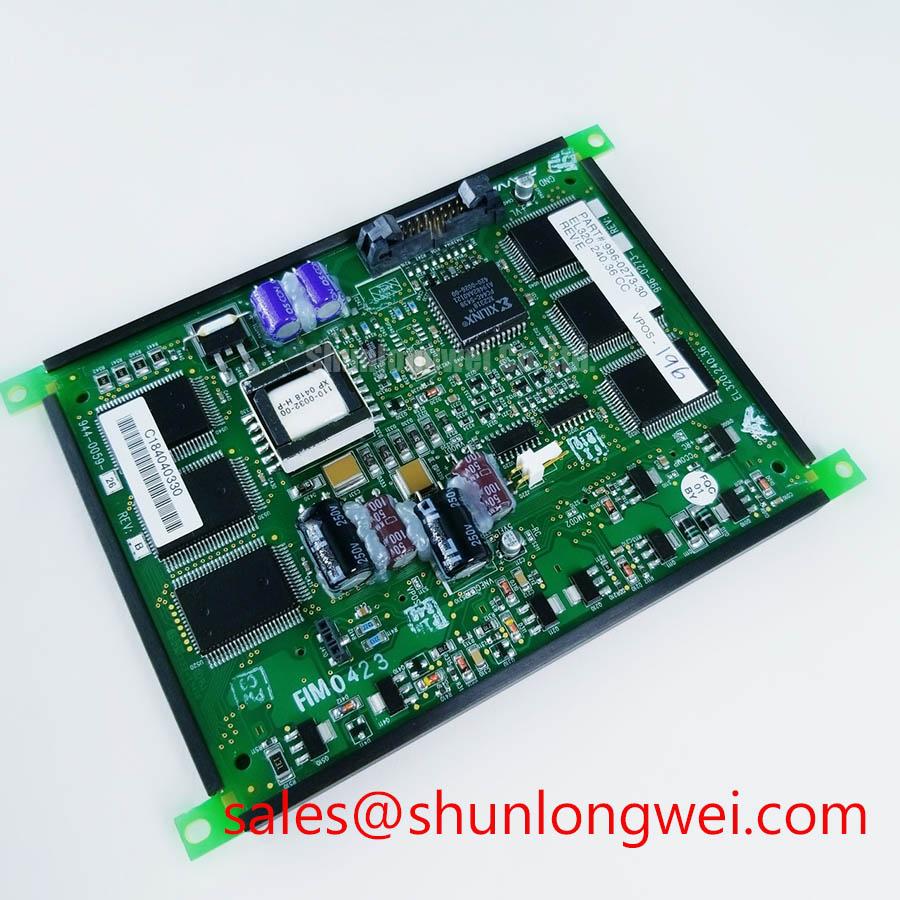
The specific performance characteristics of this display make it an ideal fit for applications where failure is not an option.
- Avionics and Military Ground Vehicles: The high shock tolerance and wide temperature range ensure reliable operation in cockpits and armored vehicle control panels. Its high contrast is essential for readability in variable lighting.
- Railway and Marine Systems: The extremely wide viewing angle (>179°) allows critical data to be viewed from any position on a train operator’s console or a ship’s bridge, a key factor for safety and operational efficiency.
- Industrial Automation and Process Control: Its solid-state nature provides high immunity to the electromagnetic interference common in factory environments, ensuring data integrity on HMI panels.
- Medical Instrumentation: The crisp, clear image quality and long-term reliability are vital for patient monitoring systems and diagnostic equipment where precise data display is paramount. More insights can be found in our article on engineering displays for extreme reliability.
Best Fit: For systems requiring unwavering visual performance and mechanical stability from -40°C to +65°C, the EL320.240.36 (ET model) is a technically superior choice.
Key Specifications of the EL320.240.36
| Performance Characteristics | |
|---|---|
| Active Area | 115 x 86 mm |
| Resolution | 320 x 240 pixels |
| Luminance (Typical) | 50 cd/m² @ 120 Hz |
| Response Time | < 1 ms |
| Viewing Angle | > 179° |
| Contrast (Typical @ 500 lux) | 31:1 |
| Environmental and Electrical | |
| Operating Temperature (ET Model) | -40°C to +65°C |
| Storage Temperature | -40°C to +85°C |
| MTBF | > 50,000 hours |
| Input Voltages | 5 VDC (Logic) and 12 VDC (Display) |
| Interface | 4-bit LCD-type parallel interface |
Explore more about the foundational technologies in our section on LCD Core Technology.
Engineer’s FAQ
1. How does the EL320.240.36’s performance in extreme cold compare to a standard industrial TFT-LCD?
The EL320.240.36 maintains its < 1 ms response time and specified contrast across its entire operating range, down to -40°C. A typical TFT-LCD's liquid crystals will become viscous in such cold, leading to significantly slower response times (severe motion blur or "ghosting") and reduced readability, often necessitating a heater which adds complexity and power consumption.
2. What are the key considerations for mechanical mounting?
To leverage the display’s inherent shock and vibration resistance, it must be mounted without introducing bending stress. The mounting tabs should be the sole points of contact with the chassis. Use spacers or bosses to ensure the mounting surface is flat and that the frame does not flex and transfer loads to the display’s glass panel. All provided mounting holes should be used with the specified 3 mm screws.
3. What is the expected operational lifetime of this display?
The Mean Time Between Failures (MTBF) is rated at over 50,000 hours. Additionally, the TFEL technology exhibits extremely stable brightness, with tests showing over 85% of initial luminance remaining after 100,000 hours of operation.
4. What interface protocol does the EL320.240.36 use for data?
It uses a standard 4-bit parallel data interface, similar to those found on many monochrome LCDs. This simplifies integration with a wide range of microcontrollers and display drivers, using standard signals for data, timing, and control.
Enabling Unfaltering System Performance
For engineers developing systems that must perform flawlessly in unforgiving conditions, the EL320.240.36 provides a robust foundation. Its ability to deliver a consistently sharp, readable image, irrespective of temperature or mechanical shock, removes a significant variable in system reliability. This allows for the design of simpler, more durable, and ultimately more dependable products for critical applications.