Mitsubishi AA10SD6C-ADFD: A High-Brightness Display for Extreme Industrial Environments
“`html
Mitsubishi AA10SD6C-ADFD 10.4″ SVGA High-Brightness TFT-LCD
Clarity and Durability for Demanding Industrial Environments
The Mitsubishi AA10SD6C-ADFD (AA104SD01) is a 10.4-inch color TFT-LCD module engineered for exceptional performance in applications where visual clarity and operational resilience are paramount. Its unique value proposition lies in combining high brightness with an exceptionally wide operating temperature range, ensuring consistent readability and reliability from freezing warehouses to sun-exposed outdoor terminals.
- Core Specifications: 10.4″ Diagonal | 800 x 600 SVGA | 700 cd/m² Brightness
- Key Engineering Advantages: Excellent readability in high ambient light, robust performance in extreme temperatures (-30°C to 80°C).
The high luminance directly addresses the common engineering challenge of designing human-machine interfaces (HMIs) that remain clear and usable in brightly lit factory settings or outdoor environments.
Download Official Datasheet (PDF)
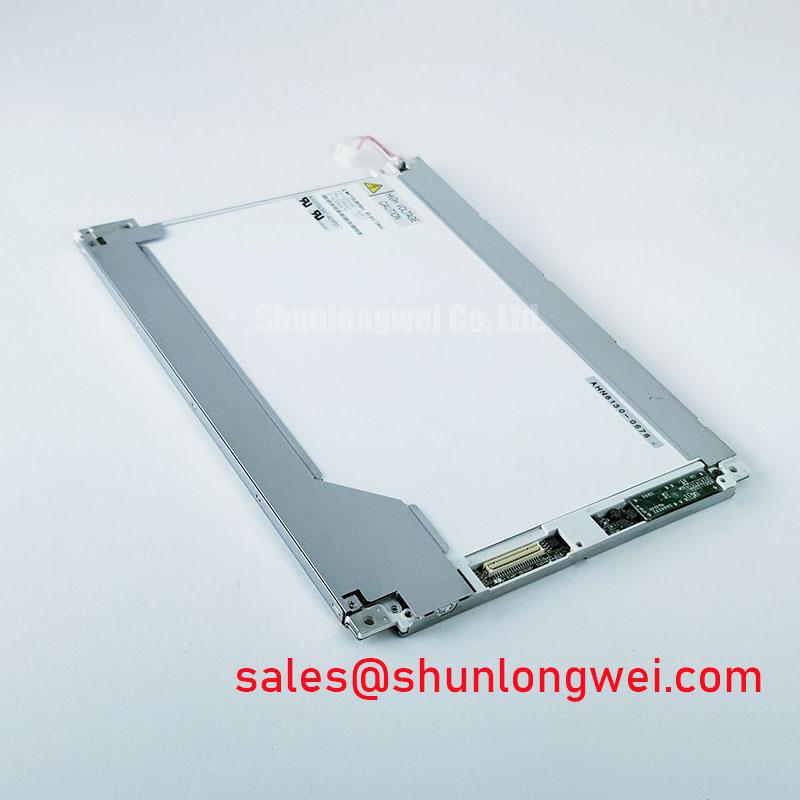
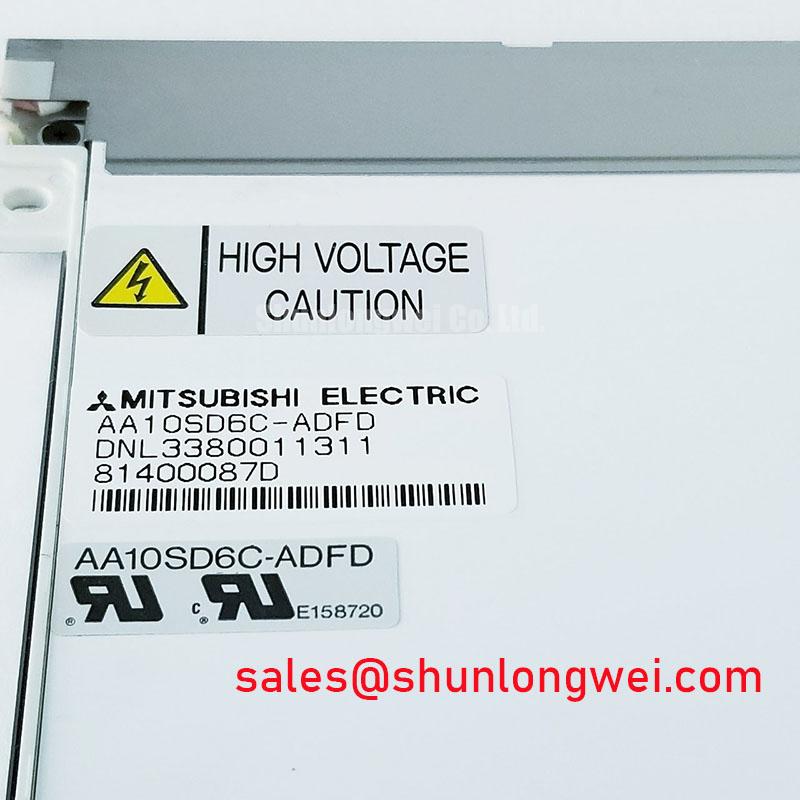
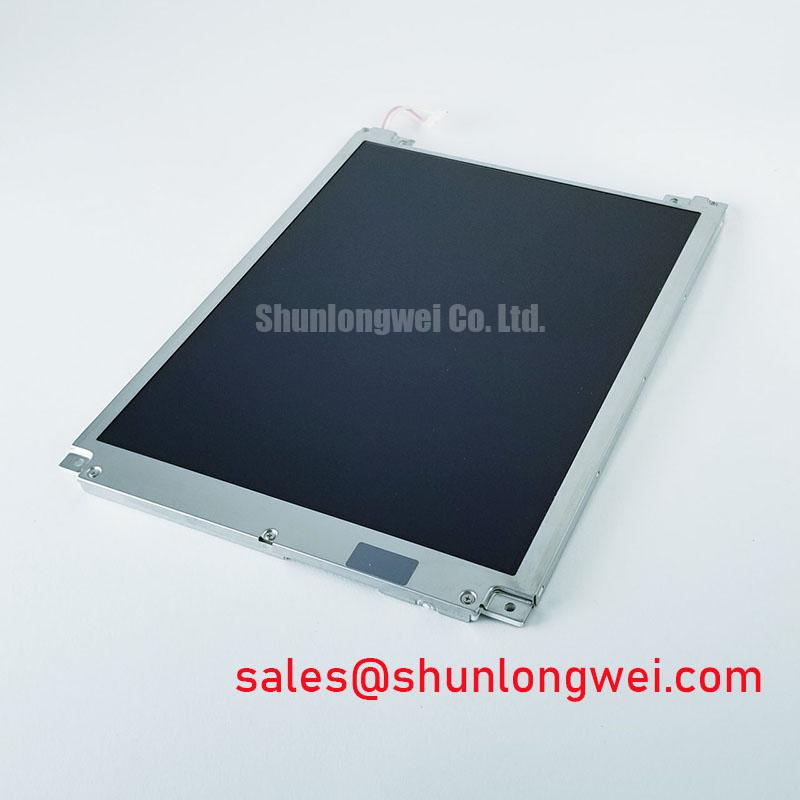
Technical Analysis for System Integration
The standout feature of the AA10SD6C-ADFD is its operational temperature range of -30°C to 80°C. This specification is not merely a number; it is a statement of reliability for systems deployed in environments without climate control. Think of this wide temperature tolerance as an all-weather capability for the electronics; it ensures stable performance and long-term service life whether the equipment is installed in a cold storage facility, an automotive cabin, or an outdoor kiosk. This resilience is a critical factor in reducing the total cost of ownership by minimizing environmentally-induced failures.
Furthermore, the 700 cd/m² luminance, coupled with a 700:1 contrast ratio, directly translates to superior screen readability. In industrial settings, operators often contend with glare from overhead lighting or sunlight. This high brightness level cuts through ambient light, presenting a clear, sharp image that reduces operator eye strain and improves accuracy. The built-in LED driver further simplifies the integration process, removing the need for an external driver circuit and streamlining the bill of materials and design complexity for engineers. For more information on display technology, see our guide on industrial LCD manufacturing.
Optimized Application Scenarios
The specific parameter set of the AA10SD6C-ADFD makes it a strong candidate for several demanding applications:
- Industrial Control Panels: Its high brightness and anti-glare surface ensure that critical process data is always visible on the factory floor.
- Marine Navigation Systems: The wide operating temperature and high contrast are essential for reliable performance on a ship’s bridge, from cold nights to bright, sunny days.
- Outdoor Digital Signage & Kiosks: The ability to function at 80°C while maintaining 700 nits of brightness is crucial for direct sunlight readability and thermal management.
- Medical Diagnostic Equipment: Provides a clear, stable, and reliable SVGA interface for displaying vital patient information.
- Avionics Displays: The robust environmental specifications are well-suited for the demanding conditions of cockpit instrumentation.
This module is an optimal match for systems requiring consistent, clear visuals across a broad and challenging range of environmental conditions.
Key Specifications of the AA10SD6C-ADFD (AA104SD01)
| Display Characteristics | |
|---|---|
| Screen Size | 10.4 inches |
| Resolution | 800(RGB) x 600 [SVGA] |
| Brightness | 700 cd/m² (Typical) |
| Contrast Ratio | 700:1 (Typical) |
| Viewing Angle | 80/80/80/60 (L/R/U/D) |
| Backlight | WLED, with built-in LED driver |
| Interface & Environmental | |
| Signal Interface | LVDS (1 ch, 6-bit), 20 pins |
| Operating Temperature | -30°C to 80°C |
| Storage Temperature | -30°C to 80°C |
| Vibration Resistance | 1.0 G (9.8 m/s²) |
Engineer’s FAQ
1. Is the AA10SD6C-ADFD suitable for outdoor applications?
Yes. Its high brightness of 700 cd/m² provides good readability in high ambient light, and its wide operating temperature range of -30°C to 80°C ensures reliable operation in variable weather conditions. Proper system-level enclosure design for moisture (IP rating) is still required.
2. What is the primary interface, and what are the integration considerations?
The display uses a standard 20-pin LVDS (Low-Voltage Differential Signaling) interface. This interface is common in industrial applications and known for its high noise immunity, making it suitable for environments with high electromagnetic interference (EMI). The built-in LED driver simplifies power supply design, as only the main logic voltage is required.
3. How does the module manage thermal considerations at its 80°C operating limit?
While the module is rated for 80°C, effective system-level thermal management is crucial for longevity. The metal chassis of the module aids in heat dissipation, but designers must ensure adequate ventilation or heat sinking in the final enclosure to prevent the backlight and internal components from exceeding their maximum temperatures, especially under direct sunlight.
4. Is the display surface durable enough for industrial use?
The datasheet specifies an anti-glare surface treatment. This not only improves visibility by diffusing reflections but also adds a layer of durability to the polarizer. For applications requiring direct user interaction or protection against impact, an additional protective overlay or cover lens is recommended.
A Foundation for Reliable HMIs
The Mitsubishi AA10SD6C-ADFD provides a durable and high-performance display foundation. It empowers engineers to build reliable HMI solutions that deliver exceptional clarity and withstand the rigors of demanding industrial, marine, and outdoor applications, ensuring operational continuity across extreme environmental conditions.
“`