MDST2001662: High-Surge Thyristor Module for Robust AC Power Control
MDST2001662: 1600V 200A Thyristor/Diode Module
High-Surge Capability for Robust AC Power Control
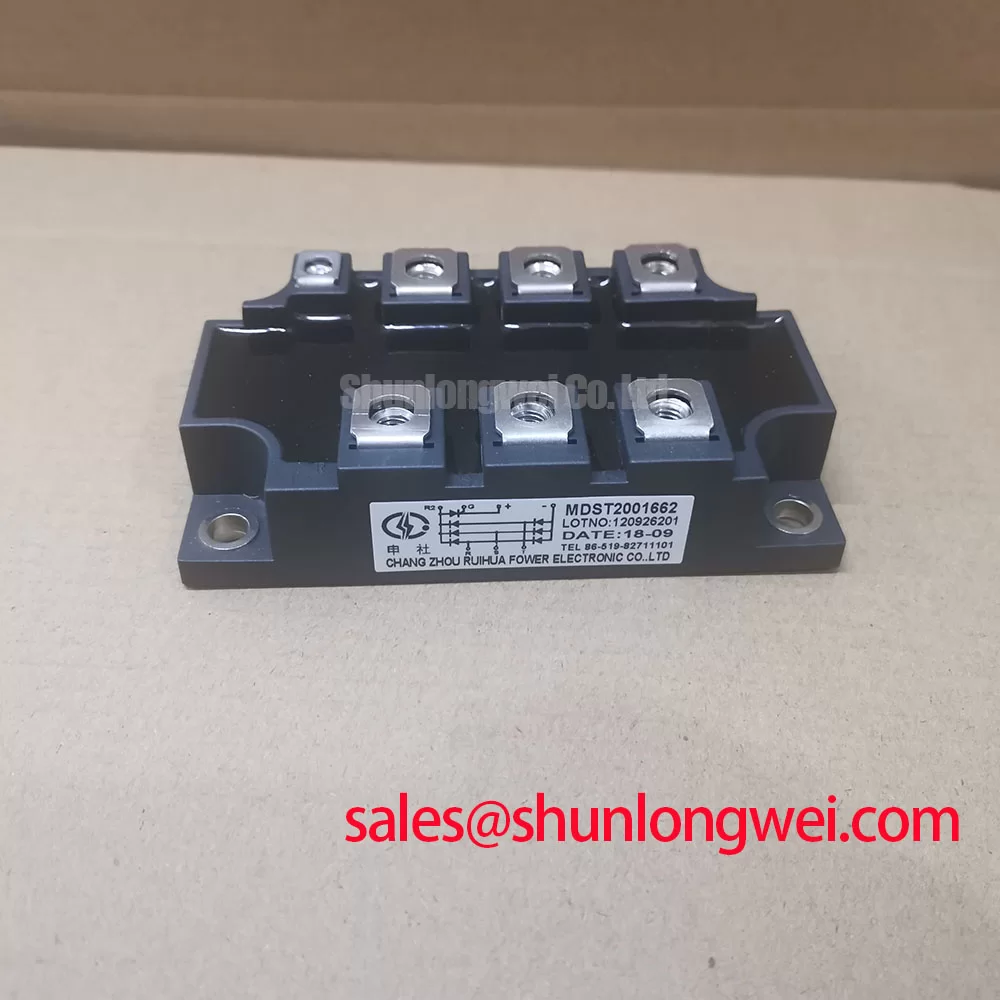
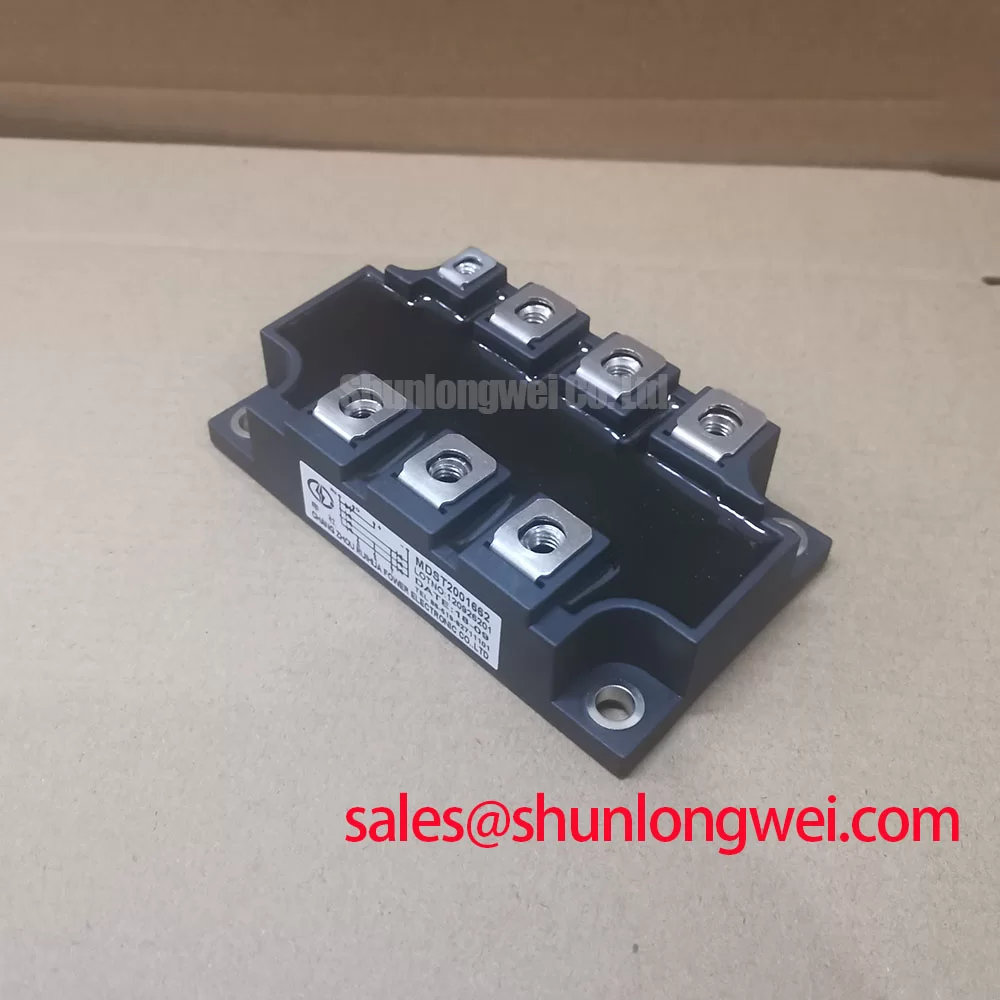
The Microsemi MDST2001662 is a Thyristor/Diode module engineered for high-reliability AC power control systems. It combines a high continuous current rating with exceptional surge survivability, providing a robust solution for demanding industrial environments. The module’s low thermal resistance is central to its performance, ensuring efficient heat dissipation under heavy loads.
- Core Specifications: 1600V | 200A (RMS) | 3600A Surge Current
- Key Advantages: High tolerance for inrush currents, simplified thermal design.
- Primary Function: Delivers precise phase-angle control for high-power loads, making it a suitable component for applications like industrial motor soft starters.
Download Official Datasheet (PDF)
Technical Analysis for System Reliability
A critical parameter for power control modules is their ability to withstand fault conditions and transient events. The MDST2001662 features a non-repetitive surge current (ITSM) rating of 3600A for a 10ms pulse. This high surge capability ensures the device can survive the significant inrush currents typical of large motor startup sequences or capacitive loads without degradation. This robustness is a key factor in building long-lasting and reliable power control assemblies, reducing the need for oversized components to manage transient conditions.
Efficient heat extraction is fundamental to the longevity of any power semiconductor. The thermal resistance from junction to case (Rth(j-c)) for the thyristor in this module is specified at a low 0.19 °C/W. This can be compared to the width of a pipe for heat to escape; a lower value signifies a wider pipe, allowing heat to flow away from the active silicon more easily. This efficient thermal pathway simplifies the design of the cooling system, potentially allowing for smaller heatsinks or increased power density in the final system, a concept further explored in thermal management strategies.
Optimized Application Scenarios
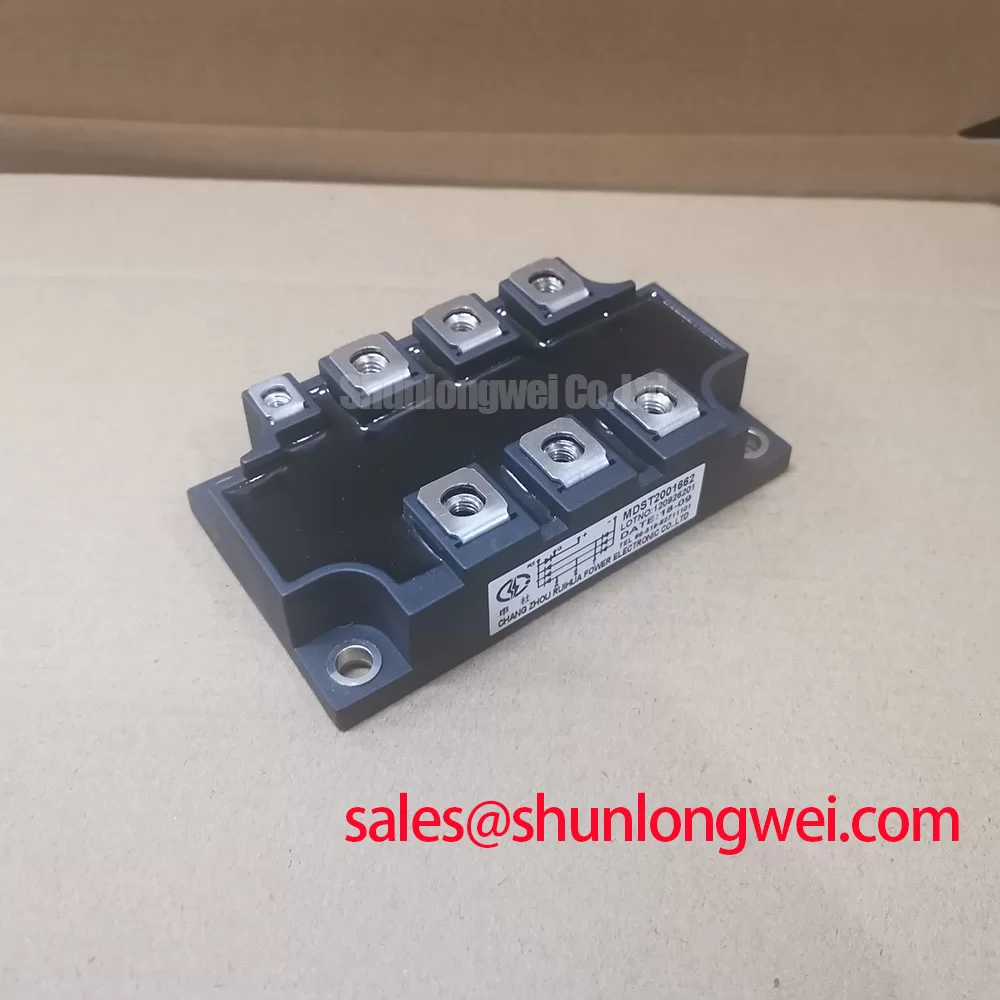
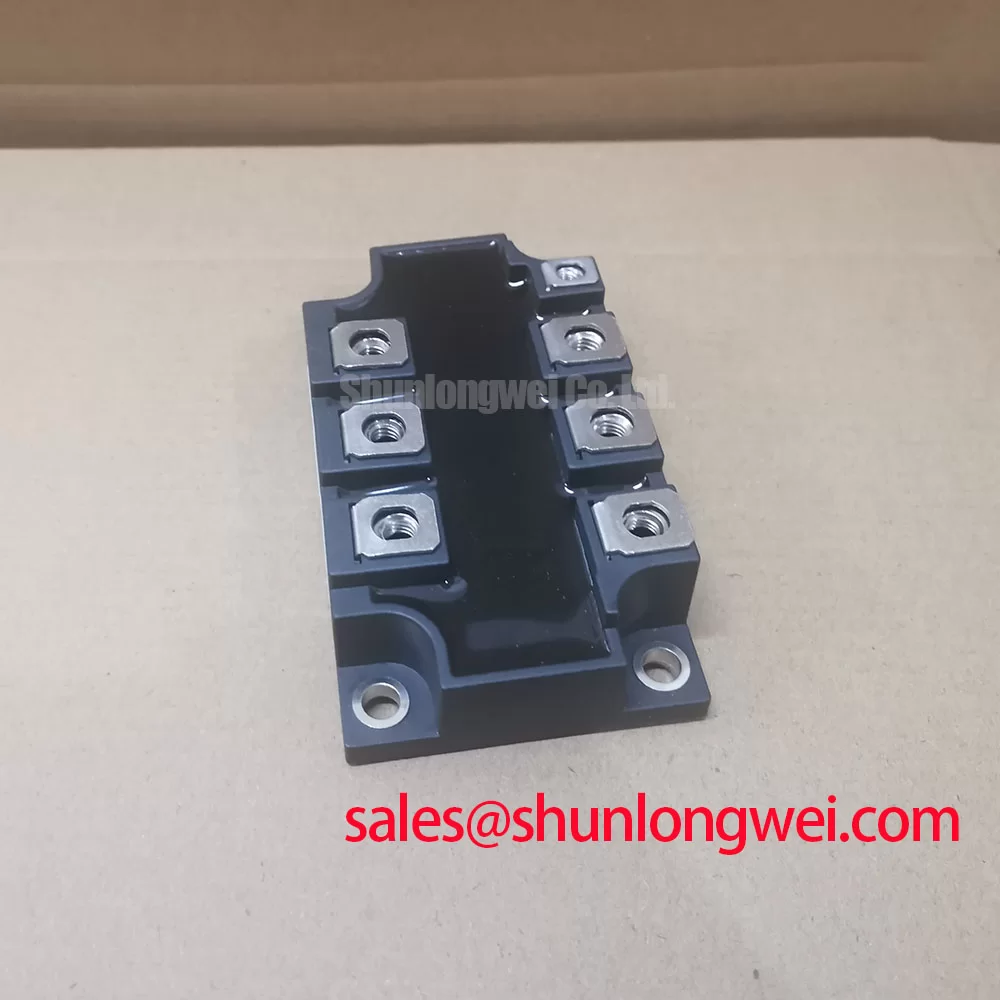
The specific characteristics of the MDST2001662 make it well-suited for several industrial applications:
- AC Motor Soft Starters: The high I2t rating of 64.8 kA2s protects the device during the strenuous acceleration phase of large induction motors.
- Industrial Heater & Furnace Control: Its 200A RMS current rating enables precise, phase-angle control of high-power resistive heating elements, ensuring stable temperature regulation.
- Controlled Rectifiers: The thyristor and diode configuration is ideal for building controlled front-end rectifiers for battery charging systems and variable DC power supplies.
- Light Dimming & Theatrical Lighting: Provides a robust solution for controlling high-wattage lighting systems where reliability is paramount.
With its high voltage and surge current ratings, this module is an excellent match for line-frequency industrial applications requiring robust AC power regulation.
Key Specifications of the MDST2001662
| Absolute Maximum Ratings (TC = 25°C unless otherwise specified) | |
|---|---|
| Repetitive Peak Off-State Voltage (VDRM/VRRM) | 1600 V |
| RMS On-State Current (IT(RMS)) | 200 A |
| Average On-State Current (IT(AV)) | 125 A |
| Peak Surge Current (ITSM, 10ms) | 3600 A |
| Isolation Voltage (Visol, 1 min) | 2500 V |
| Thermal and Mechanical Characteristics | |
| Operating Junction Temperature (TJ) | -40 to 125 °C |
| Thermal Resistance, Junction-to-Case (Thyristor) | 0.19 °C/W |
| Mounting Torque (M4 Screw) | 1.3 N·m (12 lbf·in) |
Engineer’s FAQ
How does the MDST2001662’s thermal resistance affect heatsink selection?
The low thermal resistance of 0.19 °C/W (for the thyristor) means the module transfers heat very effectively from the silicon die to the module’s baseplate. This allows engineers to achieve a lower junction temperature for a given power dissipation, or to use a smaller, more cost-effective heatsink compared to a device with higher thermal resistance. Proper power semiconductor selection involves these thermal calculations to ensure reliability.
What are the recommended mounting procedures for this module?
The datasheet specifies using M4 screws for both the mounting base and the electrical terminals. A mounting torque of 1.1 to 1.3 N·m (10-12 lbf·in) should be applied to ensure a solid thermal connection to the heatsink. A thin, uniform layer of thermal grease is recommended. The terminals should be tightened to the same torque specification to ensure a secure electrical connection.
Is this module suitable for fast-switching applications like a DC-DC converter?
No. The MDST2001662 is a thyristor (SCR) based module. Thyristors are typically used for line-frequency (50/60 Hz) applications such as phase-angle control or as AC switches. They do not have the fast turn-off capabilities required for high-frequency switching found in modern SMPS or EV charger designs, where devices like IGBTs or SiC MOSFETs are used.
What does the UL E157457 recognition mean for system design?
The UL recognition indicates that the module has been evaluated by Underwriters Laboratories and meets their established safety standards for componentry. Integrating a UL-recognized component like the MDST2001662 can simplify the process of obtaining UL certification for the end-product, as the safety and isolation characteristics of the module have already been independently verified.
Enabling High-Power System Integrity
The MDST2001662 provides a robust foundation for AC power control circuits. Its capacity to handle high continuous and surge currents, combined with its effective thermal design and industry-standard packaging, allows engineers to develop reliable and power-dense systems for a range of industrial control applications.