Mitsubishi CM150TL-24NF: An Integrated Solution for Efficient Power Conversion
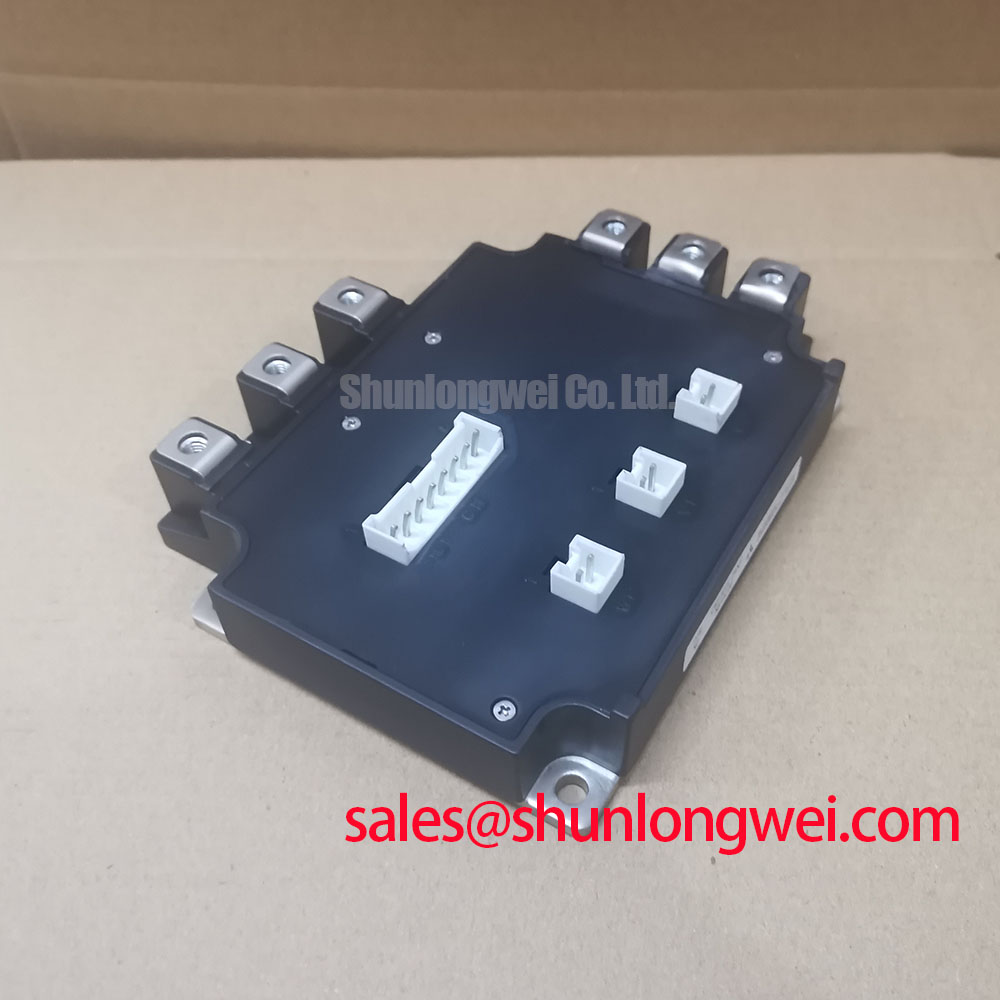
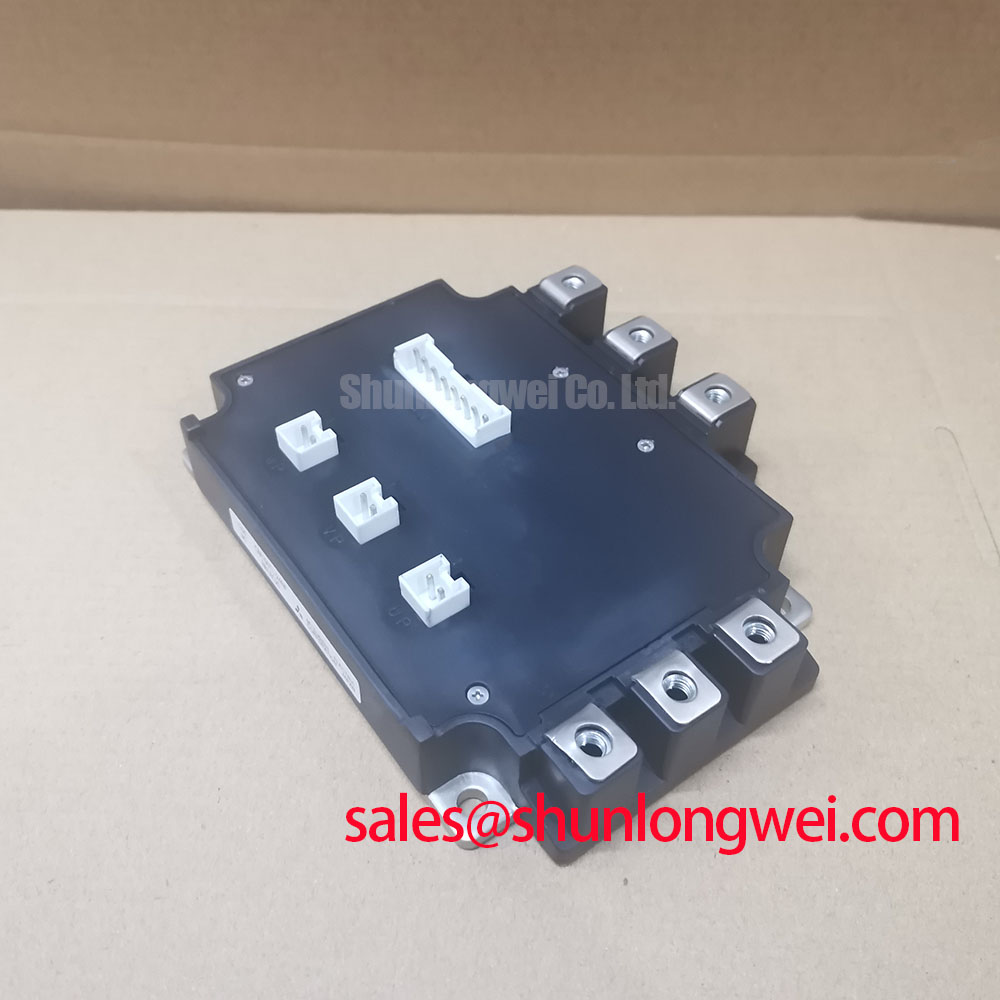
Mitsubishi CM150TL-24NF IGBT Module | 1200V 150A 6-Pack
Introduction and Core Highlights
The Mitsubishi CM150TL-24NF is an NF-series IGBT module that provides an integrated, high-performance power stage for three-phase inverter systems. Its key value lies in combining a robust 1200V voltage rating with a low typical collector-emitter saturation voltage (VCE(sat)) of 1.7V, delivering a balanced solution for both efficiency and reliability. This single-package approach simplifies thermal management and mechanical assembly, making it an excellent choice for compact and powerful inverter designs.
- Core Specifications: 1200V | 150A | VCE(sat) 1.7V (typ)
- Key Advantages: Reduces conduction losses for higher efficiency, integrated 6-in-1 package simplifies assembly.
- Application Focus: Well-suited for AC motor drives where the three-phase bridge configuration minimizes external component count and stray inductance.
Download Official Datasheet (PDF)

Technical Analysis: Integrated Design and Efficiency
The defining feature of the CM150TL-24NF is its 6-in-1 or “six-pack” internal circuit. This configuration integrates a full three-phase inverter bridge into a single, electrically isolated module. For design engineers, this significantly reduces the complexity of PCB layout and bus bar design compared to using six discrete IGBTs. The compact internal connections minimize stray inductance, a critical factor in mitigating voltage overshoots during high-speed switching and improving overall IGBT switching performance.
A central performance metric for any IGBT is its collector-emitter saturation voltage, VCE(sat). The CM150TL-24NF specifies a typical VCE(sat) of 1.7V at its nominal 150A current (Tj=25°C). You can think of VCE(sat) as the “toll” the current must pay in voltage to pass through the switch when it’s on. A lower toll means less power is converted into waste heat. This low conduction loss directly contributes to higher system efficiency and reduces the demands on the cooling system, enabling smaller heatsinks and potentially lowering total system cost.
Optimized Application Scenarios
The electrical and mechanical characteristics of this module make it suitable for a range of medium-to-high power applications:
- Variable Frequency Drives (VFDs): The integrated three-phase bridge is the standard topology for AC motor control, making this module a direct fit.
- General Purpose Inverters: The 1200V rating provides substantial design margin for systems operating on 400V or 480V AC lines.
- Uninterruptible Power Supplies (UPS): Its robust current handling and efficiency are beneficial for the inverter stage of online UPS systems.
- Servo Drives: Capable of delivering the high pulse currents required for precise motion control in industrial automation.
This module is best matched for applications requiring a compact, reliable, and efficient three-phase power stage up to approximately 75 kW.
Key Specification Parameters
| CM150TL-24NF Electrical and Thermal Characteristics (Tj = 25°C unless noted) | ||
|---|---|---|
| Parameter | Conditions | Value |
| Collector-Emitter Voltage (VCES) | VGE = 0V | 1200 V |
| Collector Current (IC) | TC = 76°C | 150 A |
| Collector-Emitter Saturation Voltage (VCE(sat)) | IC = 150A, VGE = 15V | 1.7V (Typ), 2.2V (Max) |
| Isolation Voltage (Viso) | Terminals to Baseplate, AC 1 min. | 2500 Vrms |
| Thermal Resistance (Rth(j-c)) | IGBT, Per arm | 0.11 °C/W |
| Thermal Resistance (Rth(j-c)) | FWDi, Per arm | 0.21 °C/W |
Engineer FAQ
- 1. What is the primary benefit of the CM150TL-24NF’s 6-in-1 configuration for a VFD design?
- The integrated 6-in-1 design greatly simplifies the power stage layout by replacing six discrete transistors and diodes. This reduces assembly time, lowers component count, and minimizes parasitic inductance between switches, leading to more reliable switching performance and potentially lower EMI.
- 2. What are the key thermal management considerations for this module?
- Effective thermal management is crucial. The datasheet specifies the junction-to-case thermal resistance (Rth(j-c)) as 0.11°C/W for the IGBT. Engineers must calculate total power loss (conduction + switching) and select a heatsink with a sufficiently low thermal resistance to keep the junction temperature (Tj) below the 150°C maximum rating under worst-case operating conditions. A thin, uniform layer of thermal grease is essential.
- 3. What is the recommended mounting torque?
- According to the datasheet, the recommended torque for both the M5 main terminal screws and the M5 mounting screws is between 2.5 and 3.5 N·m. Applying the correct torque is critical for ensuring a reliable electrical connection and optimal thermal transfer to the heatsink.
- 4. Does this module include an NTC thermistor?
- Based on the schematic in the official datasheet, the CM150TL-24NF does not include an integrated NTC thermistor for temperature monitoring. External temperature sensing would be required if this functionality is needed.
Enabling Compact and Efficient Power Conversion
The Mitsubishi CM150TL-24NF IGBT module provides a robust, all-in-one solution for developers of three-phase power conversion systems. By integrating the full power bridge into a single module with low conduction losses, it enables engineers to achieve design goals for efficiency, power density, and reliability in demanding industrial applications like motor control and UPS systems.