Sharp LQ6NC01 6.0-Inch TFT-LCD Industrial Display: The Analog RGB Solution for Legacy Upgrades
Sharp LQ6NC01 6.0-Inch TFT-LCD Industrial Display Module
Introduction and Core Highlights
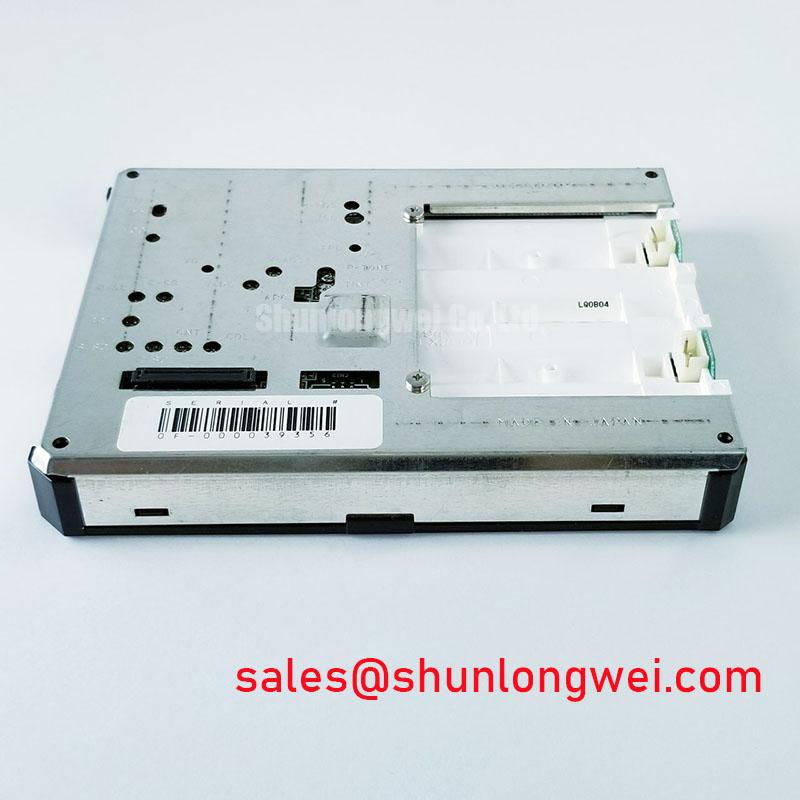
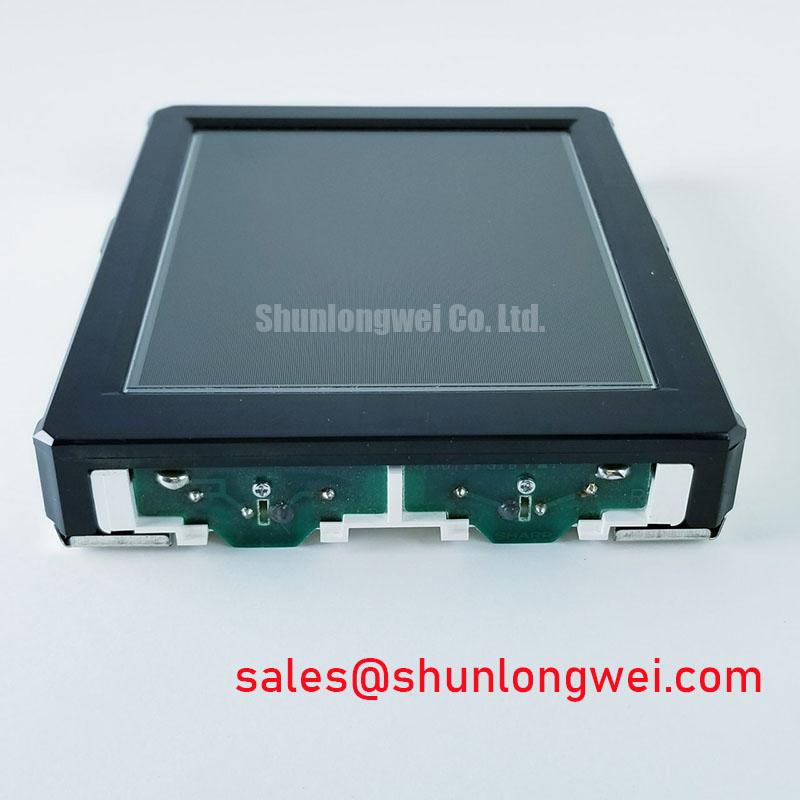
The Sharp LQ6NC01 is a 6.0-inch active-matrix TFT-LCD module. It offers direct integration for legacy systems utilizing analog RGB signals. Featuring a standard format and compact mechanical design, this display simplifies retrofitting older control equipment.
- Core Specs: 6.0-inch | 320×240 Resolution | Analog RGB Interface
- Key Advantages: Native support for NTSC and PAL timing formats, and direct compatibility with vintage industrial HMIs.
This product description answers how to maintain signal integrity in long-run analog display upgrades.
Download Sharp LQ6NC01 Datasheet (PDF)



Around-UVP Technical Analysis
The main technical feature of the LQ6NC01 is its support for standard NTSC and PAL format inputs via an analog RGB signal interface. This design eliminates the need for digital-to-analog converters in systems built during the transition era. For engineers managing older diagnostic systems, maintaining analog compatibility preserves existing signal conditioning paths without changing control card firmware.
Thermal pathing is managed through the integrated chassis design. Think of thermal resistance like a highway exit lane. If the lane is wide, cars exit easily without backing up into the main traffic. Similarly, lower thermal resistance means heat flows away quickly, preventing color degradation across the operating temperature range.
Furthermore, the mechanical design integrates a CCFL backlight system, which operates via an external inverter. This configuration isolates the high-voltage backlight driver from the sensitive timing controller. By using an external inverter, heat dissipation is distributed more evenly, lowering the local thermal stress on the liquid crystal matrix. This layout is discussed in detail within our guide on keeping displays cool for industrial reliability.
Optimized Application Scenarios
- Legacy Industrial CNC Displays: Direct drop-in replacement for older monitors using analog control signals, avoiding complete system recabling.
- Medical Diagnostic Monitors: Provides stable color reproduction for older ultrasound or monitoring hardware.
- Marine Navigation Consoles: Suitable for retrofitting legacy sonar systems that rely on composite inputs. Refer to our guide on engineering marine displays for harsh environments.
- Automotive Test Equipment: Fits standard dashboard testing units that utilize legacy diagnostic visualizers.
Sharp LQ6NC01 is the optimal choice for replacing discontinued analog displays in legacy industrial machines.
Key Specifications Table
| Mechanical & Optical Specifications | |
|---|---|
| Diagonal Size | 6.0 inches (15.2 cm) |
| Resolution | 320 (RGB) x 240 pixels |
| Interface Type | Analog RGB |
| Color Support | Full Color (NTSC/PAL compatibility) |
| Electrical & Thermal Ratings | |
| Supply Voltage (Logic) | 5.0 V (typical) |
| Backlight Type | Single CCFL (requires external inverter) |
| Operating Temperature | 0 to +60 °C |
| Storage Temperature | -25 to +70 °C |
Engineer FAQ
Q1: How do I power the CCFL backlight on the LQ6NC01?
Answer: The backlight requires an external inverter to supply the starting voltage of 1000 Vrms. Ensure you match the lamp frequency and current limits specified in the datasheet to prevent premature aging.
Q2: Can the LQ6NC01 handle high-vibration industrial environments?
Answer: Yes, but mechanical isolation is recommended. CCFL lamps are more sensitive to shock than modern LEDs. For designs exposed to constant movement, consult our guide on vibration and shock resistance for industrial displays.
Q3: What interface signals are required for the LQ6NC01?
Answer: The module accepts analog RGB video signals along with horizontal (HSYNC) and vertical (VSYNC) synchronization pulses, compatible with standard NTSC/PAL timing matrices.
Engineering Conclusion
By providing native analog RGB compatibility and a reliable form factor, the LQ6NC01 ensures system longevity without requiring complete control system redesigns. It remains a dependable component for sustaining legacy industrial visual interfaces.