Samsung LTM150XP-L01: A Technical Review for Industrial Applications
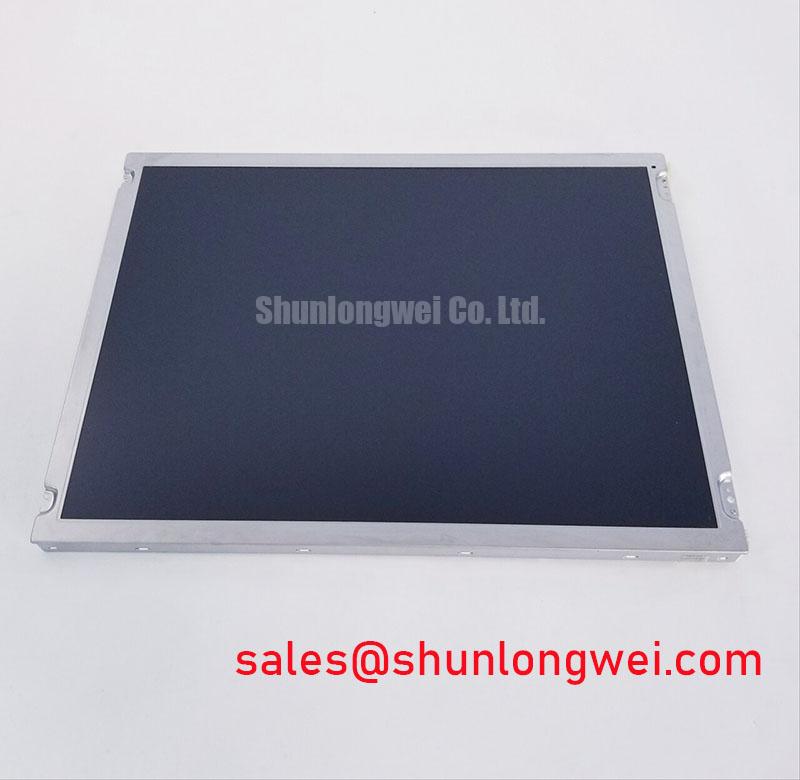
Samsung LTM150XP-L01 15.0-inch XGA TFT-LCD Module
Introduction and Core Highlights
The Samsung LTM150XP-L01 is a 15.0-inch amorphous silicon TFT-LCD module engineered for longevity and consistent visual performance in industrial and commercial systems. It delivers a precise XGA resolution with a high-contrast optical engine, providing a reliable display solution for human-machine interfaces (HMI) and monitoring equipment. The design prioritizes durability and straightforward integration, making it a stable choice for long-lifecycle products.
- Core Specifications: 1024×768 Resolution | 700:1 Contrast Ratio | 50,000-Hour Backlight Life
- Key Advantages: Sustained operational reliability, clear and stable image quality for data-intensive applications.
- Integration Focus: Standard LVDS interface simplifies connection with a wide array of system controllers.
Download Official Datasheet (PDF)


Technical Analysis for System Integration
The LTM150XP-L01 is specified with a minimum backlight lifetime of 50,000 hours. This figure is critical for applications requiring continuous or long-duration operation, as it translates to over 5.7 years of 24/7 use before the backlight typically reaches half its initial brightness. This extended lifespan reduces the total cost of ownership by minimizing maintenance cycles and downtime, a key consideration in fields like factory automation and process control. The dual CCFL backlight system provides a stable and uniform light source across the screen.
A key optical parameter is the module’s typical contrast ratio of 700:1. Contrast ratio can be thought of as the optical depth of the display—it defines the difference between the brightest white and the darkest black. A high ratio like 700:1 ensures that graphical user interfaces, text, and detailed schematics are rendered with sharpness and clarity. This is essential for reducing operator eye strain and improving accuracy in data interpretation. Coupled with a 250 cd/m² brightness, this display delivers solid performance for typical indoor industrial lighting conditions.
For electrical integration, the LTM150XP-L01 utilizes a single-channel, 8-bit LVDS (Low Voltage Differential Signaling) interface. This widely adopted standard is crucial for ensuring signal integrity over short-to-medium distances while minimizing electromagnetic interference (EMI), an important factor in complex industrial environments. The standardized 20-pin connector and timing requirements (DE Only mode) simplify the connection to host systems, allowing engineers to leverage a broad ecosystem of display controllers and single-board computers.
Optimized Application Scenarios
The specific performance characteristics of the LTM150XP-L01 make it a strong candidate for several applications:
- Industrial HMI Panels: The 50,000-hour backlight life and robust operating temperature range ensure the reliability needed for continuous factory floor operation.
- Test & Measurement Equipment: The 1024×768 resolution and 700:1 contrast ratio provide a clear and detailed view of waveforms, measurements, and system data.
- Medical Monitoring Stations: Stable image quality and consistent brightness are crucial for displaying patient data and diagnostics where readability is paramount.
- Point-of-Sale (POS) Systems: The standard 4:3 aspect ratio and durable construction are well-suited for high-traffic retail and service environments.
This module is best matched for systems requiring a durable, standard XGA display with proven long-term performance and straightforward electronic integration.
Key Specification Parameters
| LTM150XP-L01 Specifications | |
|---|---|
| Panel Characteristics | |
| Screen Size | 15.0 inches |
| Resolution | 1024(RGB) x 768 [XGA] |
| Active Area | 304.128(H) × 228.096(V) mm |
| Pixel Pitch | 0.297 x 0.297 mm |
| Display Mode | TN, Normally White, Transmissive |
| Optical Performance | |
| Luminance | 250 cd/m² (Typ.) |
| Contrast Ratio | 700:1 (Typ.) |
| Viewing Angle | 75/75/75/60 (Typ.)(CR≥10) |
| Response Time | 2/6 (Typ.)(Tr/Td) ms |
| Supported Colors | 16.2M (6-bit + FRC) |
| Electrical & Backlight | |
| Interface | LVDS (1 ch, 8-bit) |
| Supply Voltage (Panel) | 3.3V (Typ.) |
| Backlight System | 2 pcs CCFL, 50K hours (Min.) |
| Mechanical & Environmental | |
| Outline Dimensions | 326.5(W) x 253.5(H) x 11.5(D) mm |
| Weight | 1.05 Kgs (Max.) |
| Operating Temperature | 0 ~ 50 °C |
| Storage Temperature | -25 ~ 60 °C |
Engineer’s FAQ
1. What are the LVDS interface requirements for the LTM150XP-L01?
The module uses a single-channel, 8-bit LVDS interface. The host system must provide a 3.3V power supply for the panel logic. The interface operates in Data Enable (DE) only mode, simplifying timing control. The physical connector is a 20-pin model (e.g., Hirose DF14H-20P-1.25H or equivalent).
2. What are the storage and operating temperature limits for this display?
The specified operating temperature range is from 0°C to 50°C. For storage, the acceptable range is wider, from -25°C to 60°C. It is critical to operate the display within its specified thermal limits to ensure performance and prevent damage.
3. Does the LTM150XP-L01 include an integrated backlight driver?
No, this module does not have an integrated backlight driver (inverter). The datasheet specifies that an external inverter is required to power the two Cold Cathode Fluorescent Lamp (CCFL) backlights. The backlight connector provides separate high-voltage and return lines for each lamp.
4. How can I ensure optimal motion clarity with this display?
The LTM150XP-L01 has a fast typical response time (2ms rise, 6ms fall). To leverage this, ensure the driving signal from your video controller adheres precisely to the timing specifications outlined in the datasheet. A clean video signal and stable power supply will help minimize motion artifacts and ghosting in dynamic content.
Enabling Reliable System Design
The LTM150XP-L01 delivers a well-balanced set of features for industrial systems where reliability is not optional. Its combination of a proven 50,000-hour backlight, strong optical fundamentals, and a standard electrical interface provides engineers with a dependable and predictable display component. This focus on long-term performance and ease of integration supports the development of robust and serviceable end products.