PS21265-AP: A Technical Analysis of an Integrated Power Module for Motor Control
PS21265-AP Mitsubishi 600V/20A DIP Intelligent Power Module
Integrated Three-Phase Inverter for Compact Motor Control
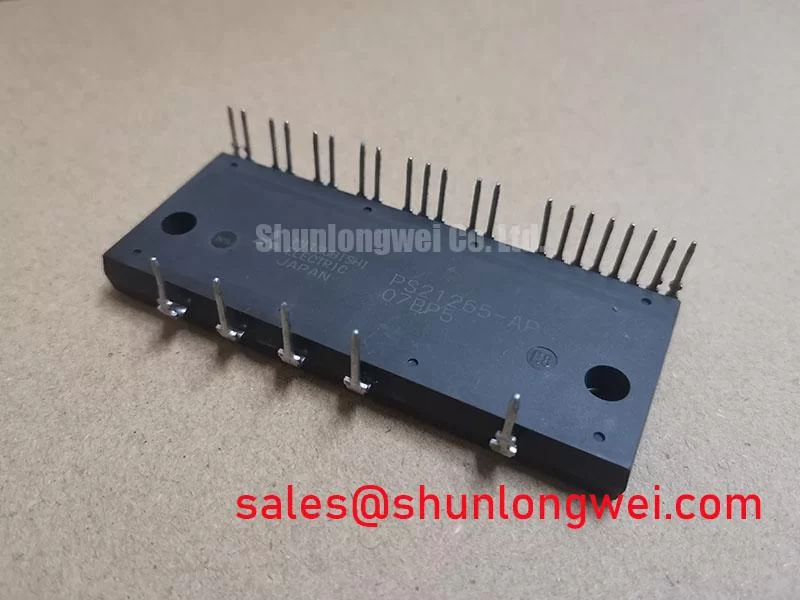
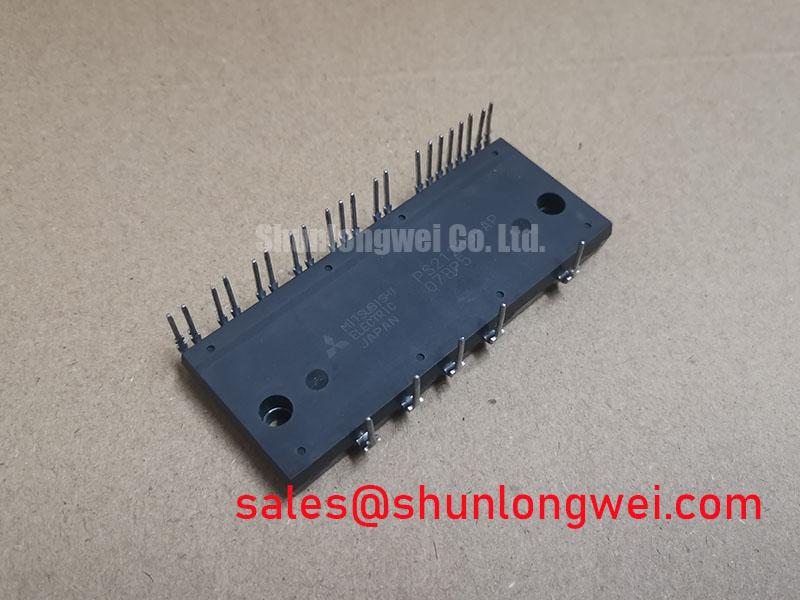
The Mitsubishi PS21265-AP is a 600V, 20A DIP Intelligent Power Module (IPM) that integrates a complete three-phase inverter power stage into a single compact package. This high level of integration simplifies the design of low-power motor control systems by incorporating not just the six IGBTs but also the necessary gate drivers, bootstrap circuits, and protection logic. The module is engineered to reduce component count, minimize PCB area, and accelerate development time for various motor control applications.
- Core Specifications: 600V | 20A | Integrated Gate Drivers & Protection
- Key Advantages: Reduces PCB footprint and component count, enhances system reliability with built-in protection.
For detailed specifications, refer to the official manufacturer’s documentation.
Download Official Datasheet (PDF)
Technical Analysis: Integration and Protection
The primary engineering value of the PS21265-AP lies in its functional integration. It contains the six main IGBTs for the three-phase bridge, along with optimized High-Voltage and Low-Voltage ICs (HVIC and LVIC) for gate driving. This eliminates the complex and sensitive task of designing a discrete gate drive circuit, which often involves managing signal isolation, shoot-through prevention, and component matching. Furthermore, the module includes built-in bootstrap diodes and resistors for the high-side power supply, requiring only external bootstrap capacitors to complete the circuit. This consolidation of components into a single transfer-molded package minimizes parasitic inductance and improves switching performance.
A critical feature set for system reliability is the module’s built-in protection. The PS21265-AP provides both short-circuit (SC) and control supply under-voltage (UV) protection. The under-voltage lockout acts like a safety check, preventing the system from operating if the control voltage is insufficient for proper IGBT switching. An inadequate gate voltage can lead to the IGBT operating in its linear region, causing excessive power dissipation and potential thermal failure. This integrated UV protection ensures the device only operates within its safe parameters, reporting any issues via a dedicated fault (Fo) pin for the system controller to act upon.
Optimized Application Scenarios
The specifications of the PS21265-AP make it an excellent fit for specific applications where space, reliability, and ease of design are paramount.
- Home Appliance Motor Drives: In products like washing machines, air conditioners, and refrigerators, the module’s compact DIP form factor allows for smaller control boards. Its integrated protection enhances the safety and longevity required in consumer goods.
- Small Industrial Fans and Pumps: For fractional horsepower motors used in industrial automation, the 600V/20A rating provides ample power. The robust protection and fault signaling are valuable for maintaining uptime in factory environments.
- General Purpose Low-Power Inverters: Any application requiring a compact and reliable three-phase inverter can benefit from the simplified design process offered by this IPM.
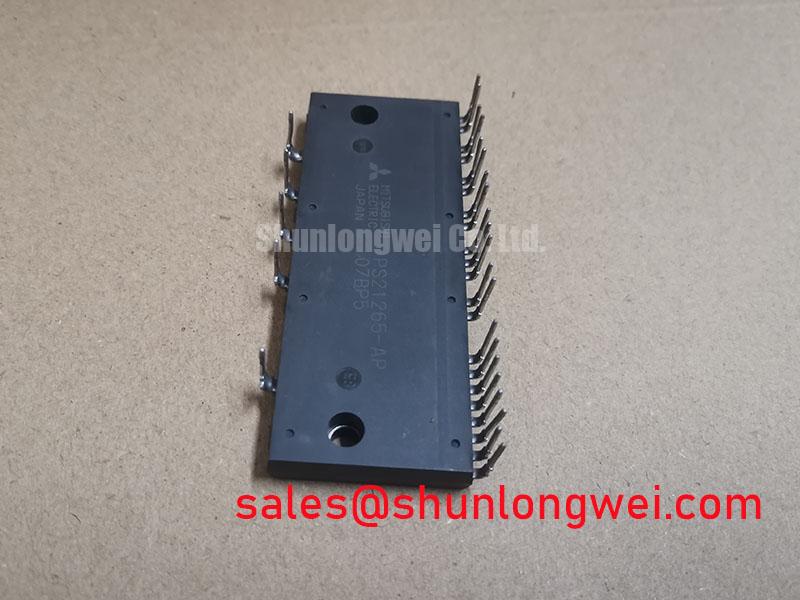
This module is best suited for motor drive applications up to approximately 1.5kW requiring a high degree of integration and operational reliability.
Key Specification Parameters
| Absolute Maximum Ratings (Tj = 25°C unless otherwise noted) | |
|---|---|
| Collector-Emitter Voltage (VCES) | 600V |
| Collector Current (IC @ Tc=25°C) | 20A |
| Collector Power Dissipation (Pc @ Tc=25°C) | 44.6W |
| Junction Temperature (Tj) | -20°C to 150°C |
| Control Supply Voltage (VCC) | 20V |
| Key Electrical & Protection Characteristics (Vcc=15V, Tj=25°C) | |
| Collector-Emitter Saturation Voltage (VCE(sat)) | 1.9V (Typ) / 2.4V (Max) @ IC=20A |
| Control Supply UV Protection Trip-Level (VUV(off)) | 10.5V (Typ) |
| Short-Circuit Trip Level (VSC(ref)) | 0.43V (Typ) / 0.5V (Max) |
| Switching Time (ton / toff) | 1.2µs / 1.7µs (Typ) |
Engineer’s FAQ
How does the PS21265-AP simplify the bootstrap circuit for high-side gate driving?
The module integrates the necessary bootstrap diodes and current-limiting resistors for all three high-side drivers. This design eliminates the need for several external components, requiring only one external bootstrap capacitor per phase to create a complete and reliable high-side power supply.
What is the function of the Fo (Fault Output) pin and how should it be handled?
The Fo pin is an open-drain output that signals a fault condition, such as a short-circuit or control supply under-voltage event. It should be connected to the system’s microcontroller with a pull-up resistor (e.g., 4.7kΩ) to a logic supply. When a fault occurs, the Fo pin goes low, alerting the microcontroller to take protective action, such as shutting down the PWM signals.
What are the thermal considerations for mounting this IPM?
The maximum junction temperature is 150°C, but the maximum case temperature is rated at 100°C. To ensure reliability, a heatsink is required. The heatsink must be properly selected and mounted with thermal grease to dissipate the heat generated during operation, keeping the case temperature below the 100°C limit under worst-case load and ambient temperature conditions. Careful thermal management is essential for long-term performance.
Can the switching speed of the internal IGBTs be adjusted?
The internal gate drivers are pre-configured for optimized performance, and their characteristics are not externally adjustable. The switching times (ton, toff) are specified in the datasheet. This fixed configuration ensures reliable operation and removes the design burden of gate drive tuning from the engineer.
Enabling Reliable Motor Control Designs
The PS21265-AP provides a robust and highly integrated foundation for engineers tasked with designing compact and reliable motor control systems. By consolidating the power stage, gate drive, and crucial protection functions into a single validated component, it allows design teams to focus on system-level innovation while accelerating the development cycle and reducing overall design complexity.