LG-Philips LB104V03-A1: A Reliable 10.4″ VGA Display for Industrial Systems
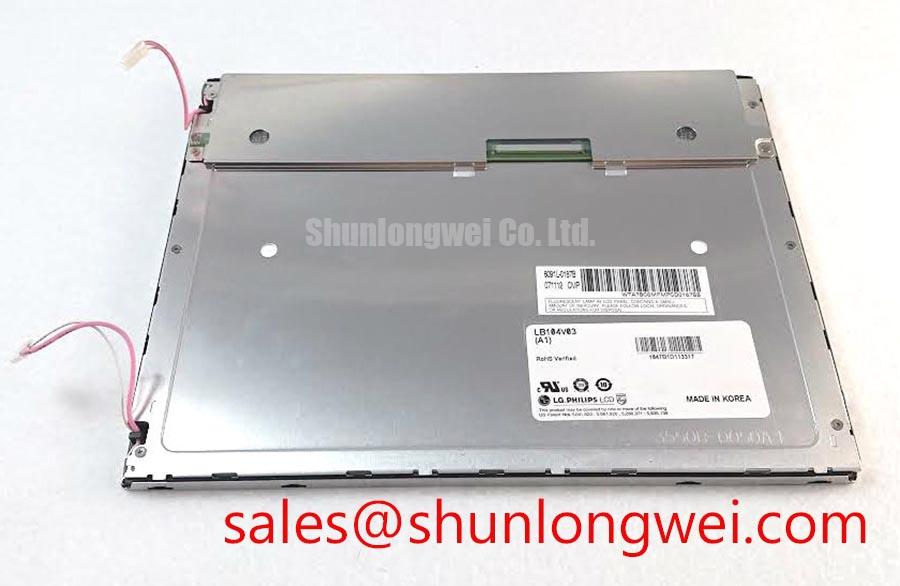
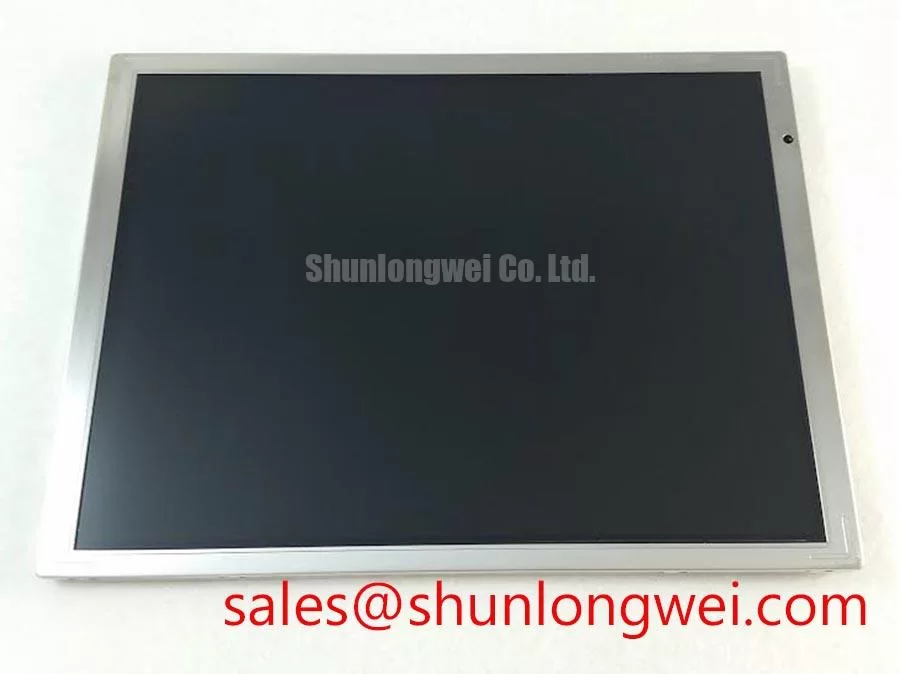
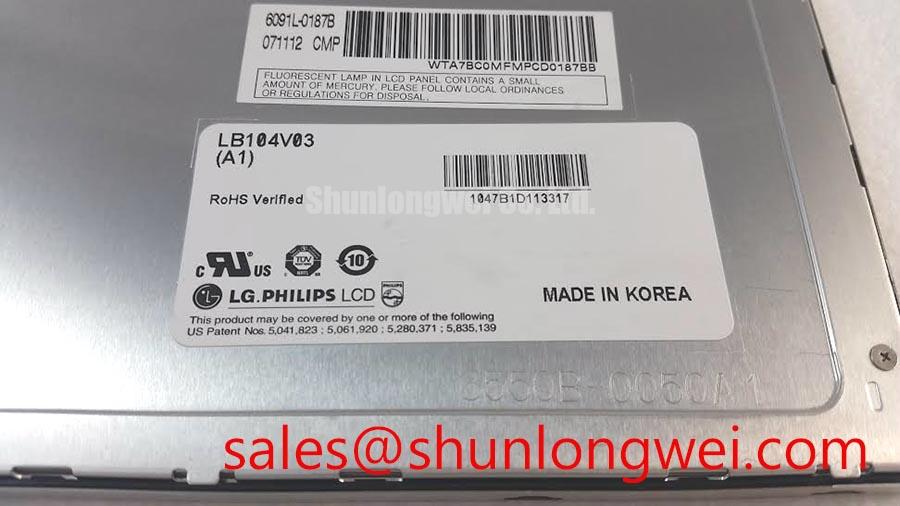
LG-Philips LB104V03-A1 10.4″ VGA Industrial TFT-LCD Module
Reliable Visual Performance for Industrial HMIs & Control Systems
The LG-Philips LB104V03-A1 is a 10.4-inch color a-Si TFT-LCD module delivering dependable performance for industrial applications. It provides a stable and consistent visual interface built on proven technology, making it a sound choice for both new system designs and sustaining legacy equipment. This display balances essential specifications to ensure clear readability and straightforward integration.
- Core Specifications: 640×480 VGA | 230 cd/m² (Typ) | 300:1 Contrast Ratio
- Key Advantages: Standard LVDS interface simplifies integration. Proven CCFL backlight offers predictable performance.
- Application Focus: Well-suited for industrial control panels, HMI systems, and test equipment where reliability is paramount.
Download the Official LB104V03-A1 Datasheet (PDF)
Technical Analysis for System Integration
The LB104V03-A1 is specified with a standard 1-channel, 6-bit LVDS (Low-Voltage Differential Signaling) interface. This is a significant advantage for engineers, as it is a widely adopted standard for industrial and embedded systems. This compatibility simplifies the driver board selection and firmware development process, reducing integration time and potential compatibility issues that can arise with proprietary interfaces. The panel’s 3.3V logic supply voltage is also a common requirement for many industrial controllers, further streamlining the electrical design.
Optical performance is defined by a typical luminance of 230 cd/m² and a contrast ratio of 300:1. The luminance level is sufficient for most indoor industrial environments, ensuring that information displayed is bright and visible under typical factory lighting. The contrast ratio can be thought of as the panel’s ability to differentiate between the darkest blacks and brightest whites. The 300:1 ratio of the LB104V03-A1 ensures that text, numbers, and graphical elements are rendered with distinct clarity, which is crucial for reducing operator error and eye fatigue. The specified viewing angles (40° left/right, 15° up, 35° down) are adequate for fixed-mount operator terminals where the user is typically positioned directly in front of the screen.
Optimized Application Scenarios
The specifications of the LB104V03-A1 make it a well-matched component for several key industrial uses:
- Industrial HMI Panels: The 10.4-inch diagonal size and 4:3 aspect ratio are a classic format for HMI applications, providing ample space for GUIs without occupying an excessive footprint. Its standard interface makes it ideal for MRO and system upgrades.
- Process Control Monitoring: For systems that require a constant, reliable display of operational data, the panel’s specified operating temperature range of 0 to 50°C ensures stable performance in controlled industrial environments.
- Test and Measurement Equipment: The VGA resolution is sufficient for presenting clear numerical readouts, waveforms, and status indicators common in test benches and diagnostic tools.
- Legacy System Sustainment: As a panel with a standard LVDS interface and CCFL backlight, it serves as a reliable replacement part for aging systems, extending the operational life of critical equipment without requiring a complete redesign.
Its blend of standard features and proven technology makes the LB104V03-A1 a strong candidate for applications prioritizing reliability over cutting-edge performance.
Key Specifications of the LB104V03-A1
| Display & Optical Characteristics | |
|---|---|
| Screen Diagonal | 10.4 inches |
| Resolution | 640(RGB) × 480 (VGA) |
| Panel Technology | a-Si TFT-LCD, Normally White |
| Active Area | 211.2 × 158.4 mm |
| Luminance | 230 cd/m² (Typ.) |
| Contrast Ratio | 300:1 (Typ.) |
| Viewing Angle (L/R/U/D) | 40/40/15/35 (Typ., CR≥10) |
| Response Time | 15/35 ms (Typ.)(Tr/Td) |
| Electrical & Backlight | |
| Signal Interface | LVDS (1 ch, 6-bit), 31 pins |
| Logic Supply Voltage (VCC) | 3.3V (Typ.) |
| Backlight System | 1 pc CCFL with inverter required |
| Mechanical & Environmental | |
| Outline Dimensions | 241.0 × 177.5 × 10.3 mm |
| Panel Weight | 490g (Max.) |
| Operating Temperature | 0 ~ 50 °C |
| Storage Temperature | -20 ~ 60 °C |
Specifications are based on the official manufacturer datasheet and are subject to change. For complete details, refer to the datasheet.
Engineer’s FAQ
Is the LB104V03-A1 a good choice for replacing an older 10.4-inch VGA display?
Yes. Its combination of a standard VGA (640×480) resolution, a common 10.4-inch form factor, and a standard LVDS interface makes it a strong candidate for replacing many legacy industrial displays with minimal hardware and software adjustments. See our guide on cross-brand LCD migration for more details.
What are the power requirements for this display?
The panel requires two power sources. The logic board needs a stable 3.3V supply. The CCFL backlight requires a separate high-voltage AC supply from an external inverter, which must be specified to match the lamp’s characteristics as detailed in the datasheet.
What kind of backlight is used and what is its expected life?
The LB104V03-A1 uses a single Cold Cathode Fluorescent Lamp (CCFL) as its backlight source. The datasheet specifies a lamp lifetime of 25,000 hours minimum, which is a typical value for industrial-grade CCFLs. For more information, you can read about proactive management of industrial LCD backlight lifespan.
What are the considerations for the external CCFL inverter?
The inverter design is critical for backlight performance and longevity. According to the datasheet, the inverter’s output must have a symmetrical voltage and current waveform. Using an inverter with an unsymmetrical waveform can negatively impact lamp life and brightness. Learn more about industrial LCD dimming challenges.
Enabling Reliable Industrial Interfaces
The LB104V03-A1 provides a dependable foundation for industrial visualization. It integrates established, well-documented technologies to offer engineers a low-risk, stable solution for developing or maintaining systems that require clear, consistent visual output. Its adherence to standard interfaces ensures it can be efficiently deployed in a wide range of industrial control and monitoring equipment.