Semikron SKIIP 22NAC12IT42: High-Reliability 1200V CIB Module with Solder-Free SPRiNG Technology
Semikron MiniSKiiP 2 SKIIP 22NAC12IT42 1200V CIB Module
Introduction to Solder-Free Integration for Industrial Power
The Semikron SKIIP 22NAC12IT42 represents a highly integrated MiniSKiiP 2 power module utilizing Trench IGBT4 technology. This specific configuration follows the NAC (Converter-Inverter-Brake) topology, housing a three-phase bridge rectifier, a three-phase bridge inverter, and a dedicated brake chopper in a single compact housing. Its defining characteristic is the pressure-contact technology, which utilizes spring contacts to establish electrical connections to the PCB without soldering.
- Core Specifications: 1200V | 22A (Nominal) | Trench IGBT4 Technology
- Key Advantages: Solder-free assembly minimizes thermal fatigue; SPRiNG contacts offer superior vibration resistance.
Engineers often ask: How does the pressure-contact system improve lifecycle reliability? By removing the rigid solder joints between the power module and the PCB, the SKIIP 22NAC12IT42 eliminates one of the primary failure points in industrial environments: solder joint fatigue caused by thermal cycling and mechanical vibration.
Download Official Datasheet (PDF)
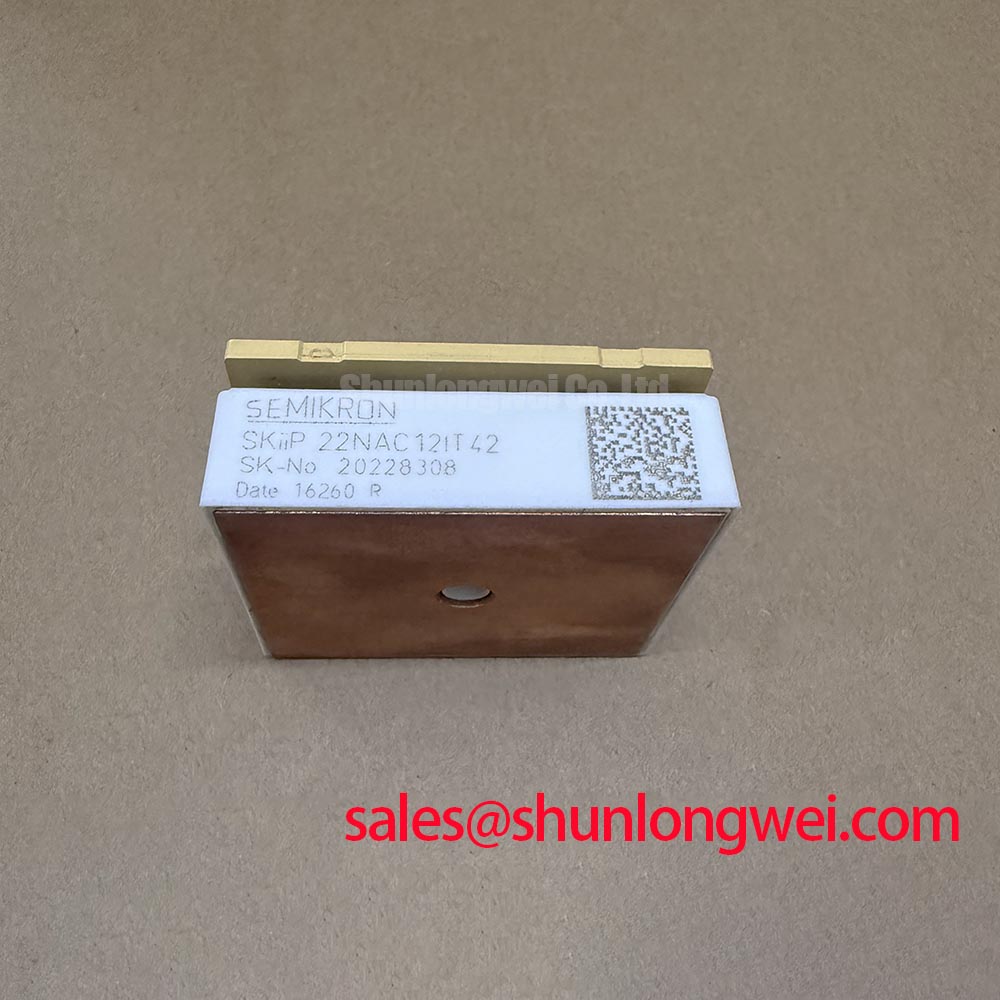
Technical Analysis of SPRiNG Technology and Thermal Performance
The SKIIP 22NAC12IT42 utilizes the Trench IGBT4 architecture, which is optimized for industrial switching frequencies while maintaining a low collector-emitter saturation voltage (VCEsat). Operational stability is further enhanced by the integrated NTC temperature sensor, allowing for real-time monitoring of the baseplate-less module’s internal thermal state.
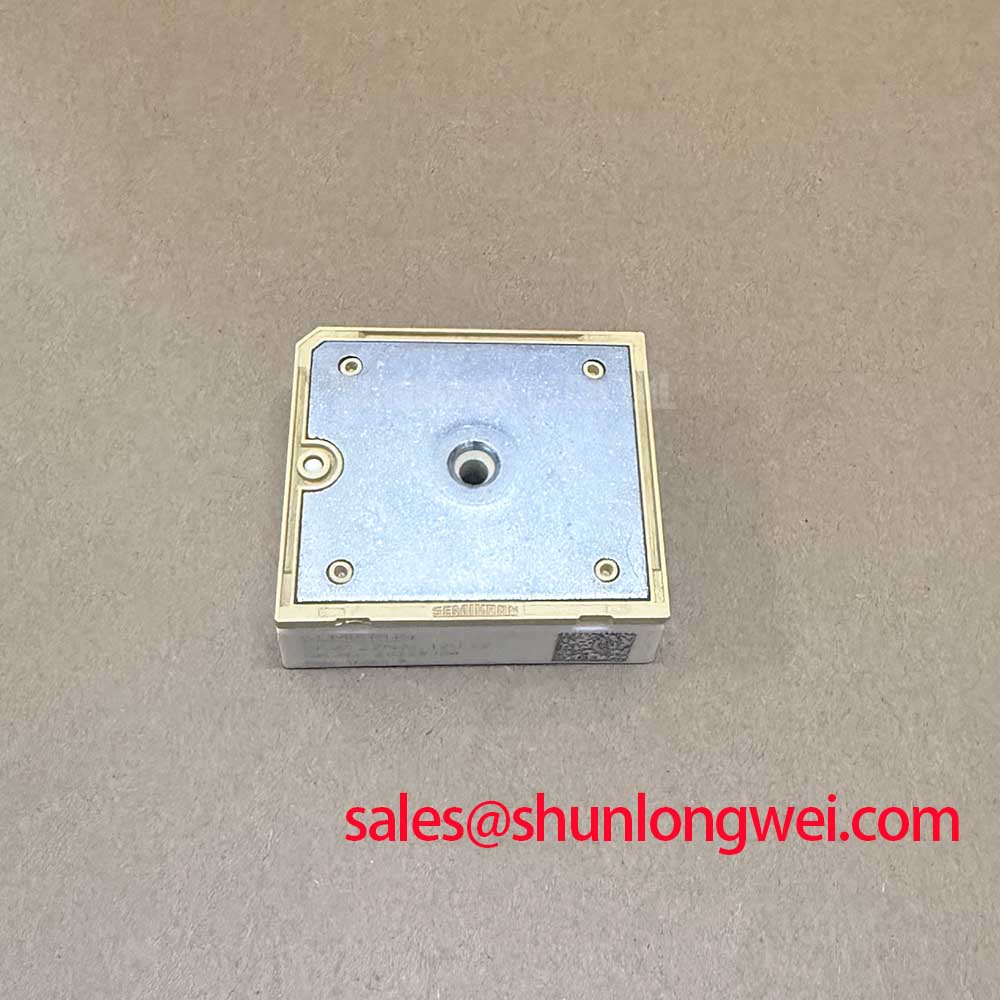
One critical parameter for this module is the thermal resistance between the junction and the heatsink. Thermal resistance can be compared to the diameter of a physical pipe; a lower resistance value allows a larger “volume” of heat to flow away from the silicon die, preventing thermal runaway. In the SKIIP 22NAC12IT42, the absence of a heavy copper baseplate allows for a more direct thermal path to the heatsink, provided that the mounting pressure and thermal interface material (TIM) are applied according to Semikron’s precise specifications.

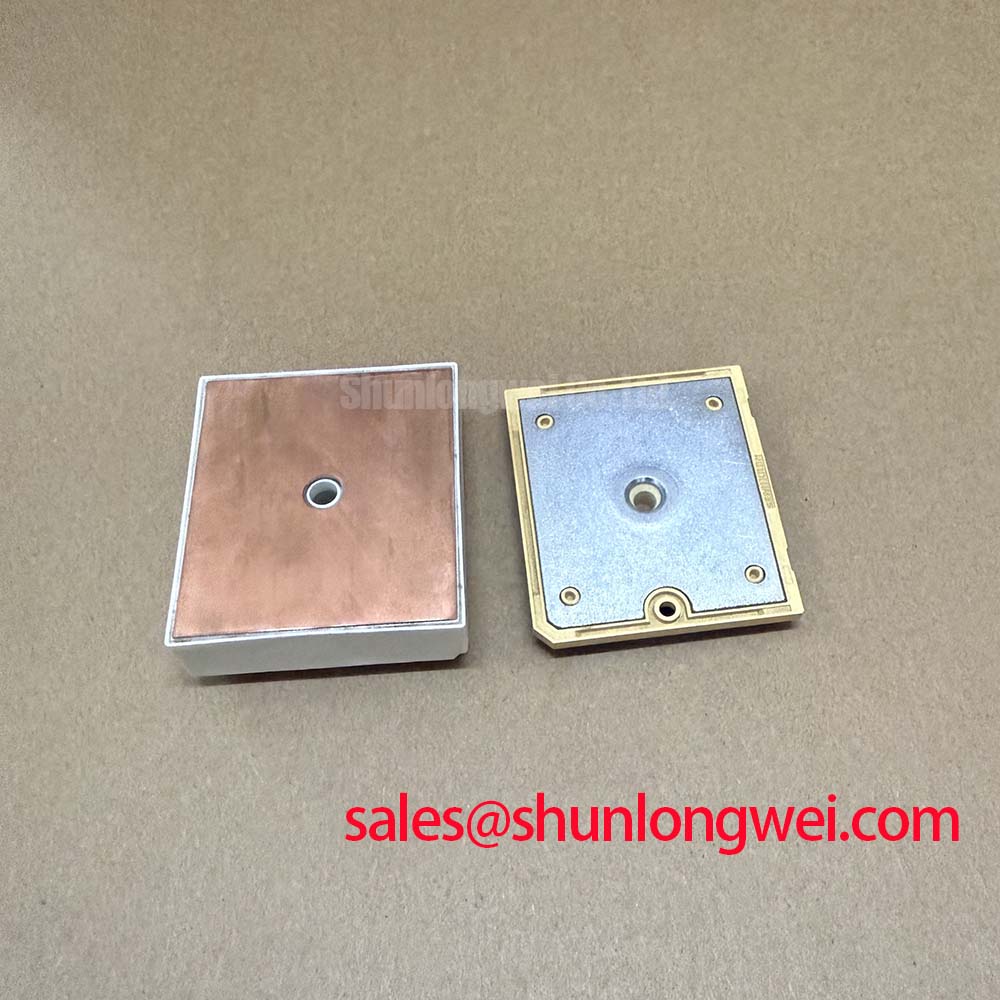
The module is designed for use with a single-screw mounting system. This mechanical simplicity reduces assembly time and ensures uniform pressure across the internal SPRiNG contacts. However, this relies on the PCB being designed with the correct thickness and stiffness to support the pressure required for a reliable electrical connection without deformation over time.
Optimized Application Scenarios
The Power Integrated Module (PIM) nature of this device makes it a standard building block for low-to-medium power industrial electronics.
- Variable Frequency Drives (VFD): The integrated brake chopper simplifies the design of dynamic braking circuits in small motor controllers.
- Servo Motor Controllers: High-speed Trench IGBT4 technology enables the precise current control required for industrial automation and robotics.
- Industrial Pumps and Fans: The 1200V rating provides the necessary overhead for standard 400V-480V AC grid applications, ensuring robust protection against voltage transients.
Best Match: Ideal for motor drive designs under 7.5kW requiring maximum mechanical reliability and a reduced physical footprint on the control PCB.

Key Technical Specifications
| Category | Parameter | Value |
|---|---|---|
| Absolute Maximum Ratings | Collector-Emitter Voltage (VCES) | 1200 V |
| Continuous DC Collector Current (Ic) | 22 A (at Ts=70°C) | |
| Electrical Characteristics | VCE(sat) @ Ic=15A, Tj=25°C | 1.85 V (typ) |
| Gate Threshold Voltage VGE(th) | 5.0 V to 6.5 V | |
| Thermal Features | Integrated Temperature Sensor | NTC 5kΩ |
Engineer FAQ
Q1: What mounting torque is recommended for the SKIIP 22NAC12IT42?
A: The datasheet specifies a mounting torque between 2.0 Nm and 2.5 Nm for the single-screw connection to ensure proper contact pressure without damaging the module or PCB.
Q2: Can I use this module in high-vibration applications like mobile industrial equipment?
A: Yes. The solder-free spring contact technology is specifically designed to handle mechanical stressors that would cause conventional solder joints to crack over time.
Q3: How does the “baseplate-less” design affect my thermal calculation?
A: Without a copper baseplate, the module has lower thermal mass. This means junction temperatures react more quickly to load changes. Precise thermal resistance (Rth) calculations must account for the specific heatsink surface finish and TIM thickness.
The SKIIP 22NAC12IT42 facilitates high-density inverter designs by consolidating the complete power stage into a single, solder-free package. This integration supports engineers in achieving lower assembly costs and higher field reliability in demanding industrial environments.