Hitachi MBM300GS12A: High-Power 1200V 300A IGBT Module with Optimized Thermal Resilience
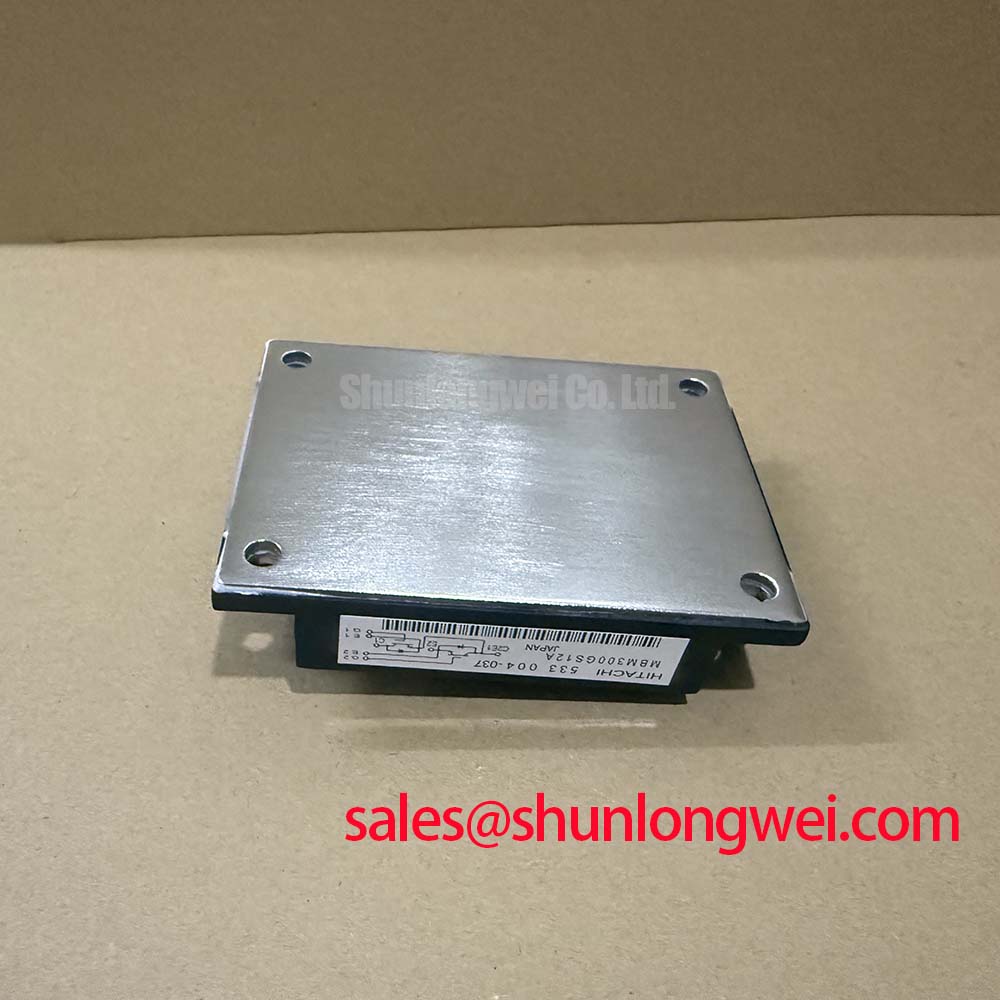
Hitachi MBM300GS12A High-Power 1200V 300A IGBT Module
Expert Insight: Optimized Switching and Thermal Resilience
The Hitachi MBM300GS12A is a high-performance power module engineered for heavy-duty industrial inversion and high-frequency switching. By leveraging Hitachi’s advanced trench technology, this module achieves an optimal balance between low conduction losses and high-speed operation. Its primary Unique Value Proposition (UVP) lies in its superior thermal cycling capability and extremely low internal parasitic inductance, ensuring system reliability in environments prone to voltage spikes and thermal stress. Effectively addressing the engineering challenge of preventing premature IGBT failure, the MBM300GS12A provides a robust foundation for next-generation power conversion.
- Core Specifications: 1200V Collector-Emitter Voltage | 300A Continuous Collector Current | Low VCE(sat)
- Key Engineering Values: Reduced heatsink requirements through enhanced thermal conductivity and simplified gate drive requirements due to optimized capacitance.
Download Official Hitachi MBM300GS12A Datasheet (PDF)
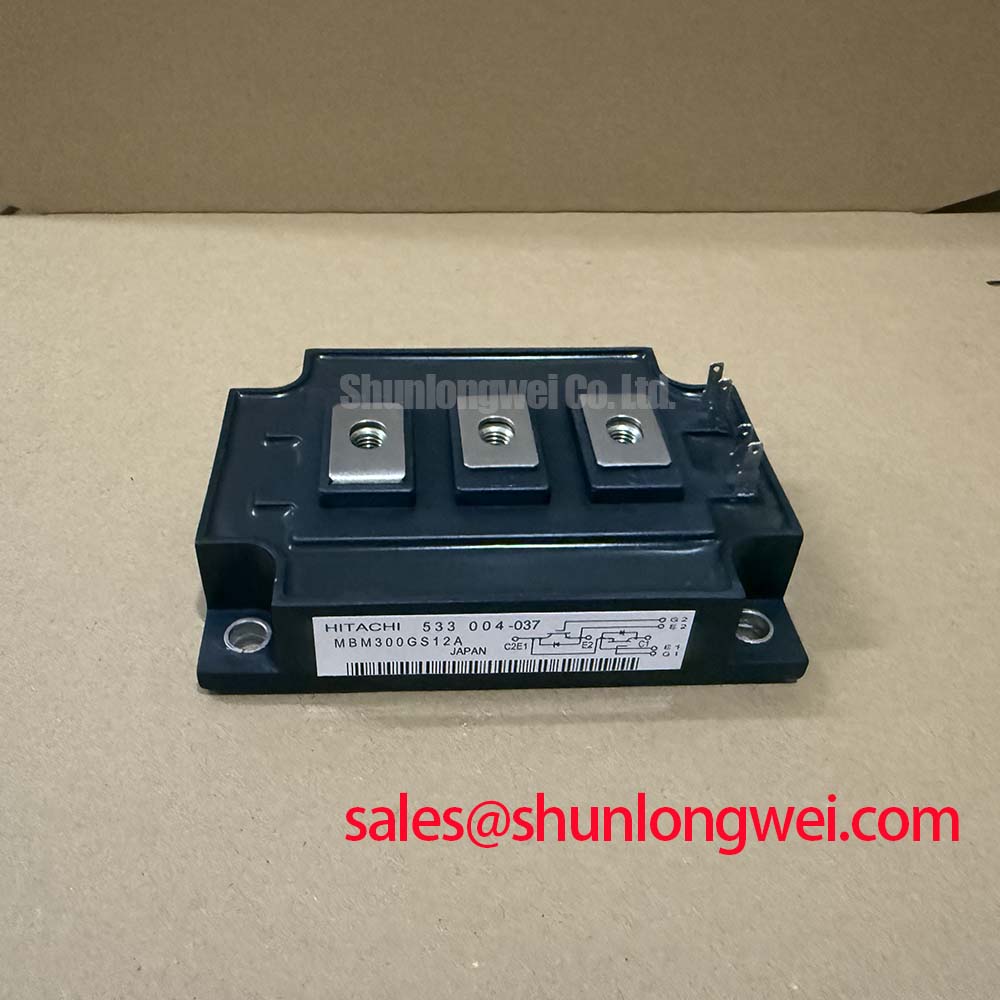
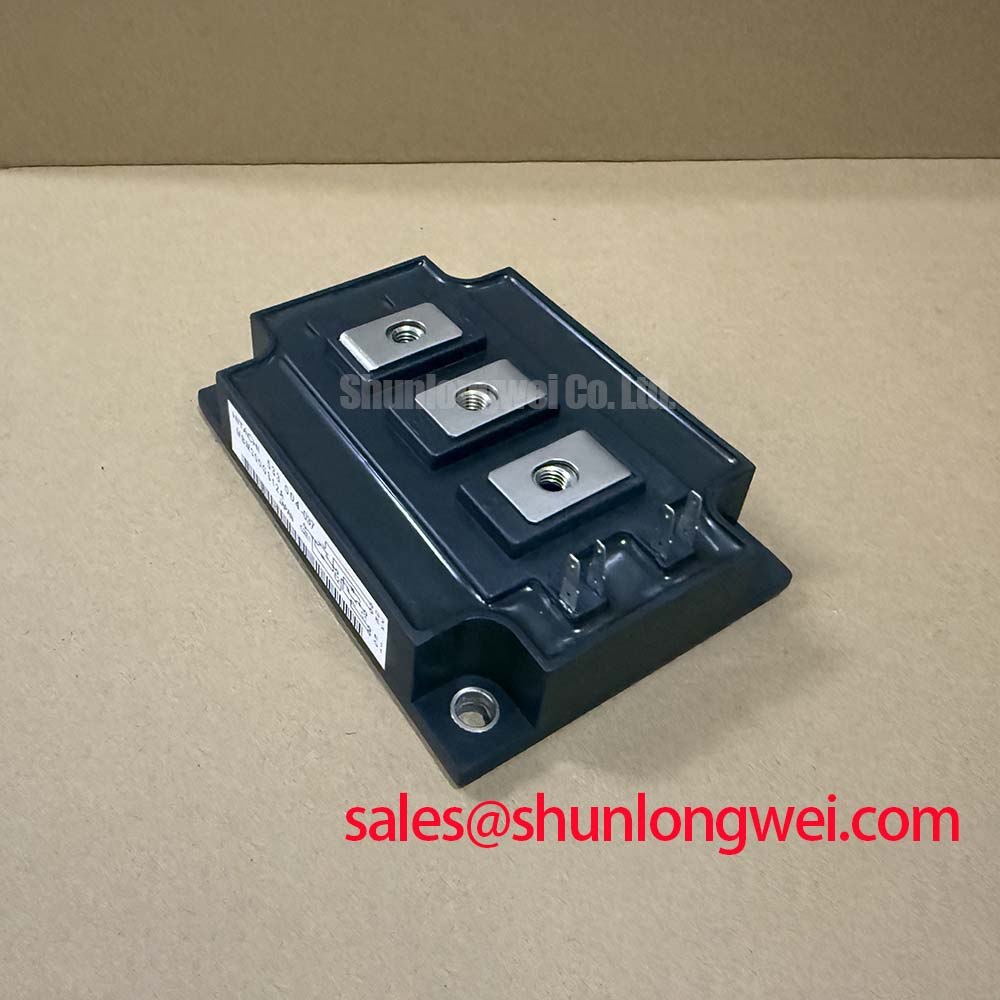
Technical Analysis: Precision Under High Electrical Stress
The engineering significance of the MBM300GS12A is defined by its ability to maintain electrical stability under variable load conditions. A critical parameter found in the datasheet is the Thermal Resistance (Rth(j-c)). To visualize this, consider thermal resistance as the width of a drainage pipe; a lower value allows heat to flow away from the silicon junction more efficiently, preventing the thermal “backup” that leads to catastrophic breakdown. With its specialized ceramic substrate, the MBM300GS12A ensures that junction temperatures remain within the safe operating area (SOA) even during high-current bursts.
Furthermore, the integration of a soft-recovery free-wheeling diode significantly mitigates Electromagnetic Interference (EMI) during high-speed switching. This is particularly vital when managing the impact of parasitic inductance in high-current busbar layouts. By reducing the reverse recovery surge (di/dt), engineers can minimize the need for heavy snubber circuits, thereby reducing both the footprint and the total bill-of-materials (BOM) cost of the inverter stage.
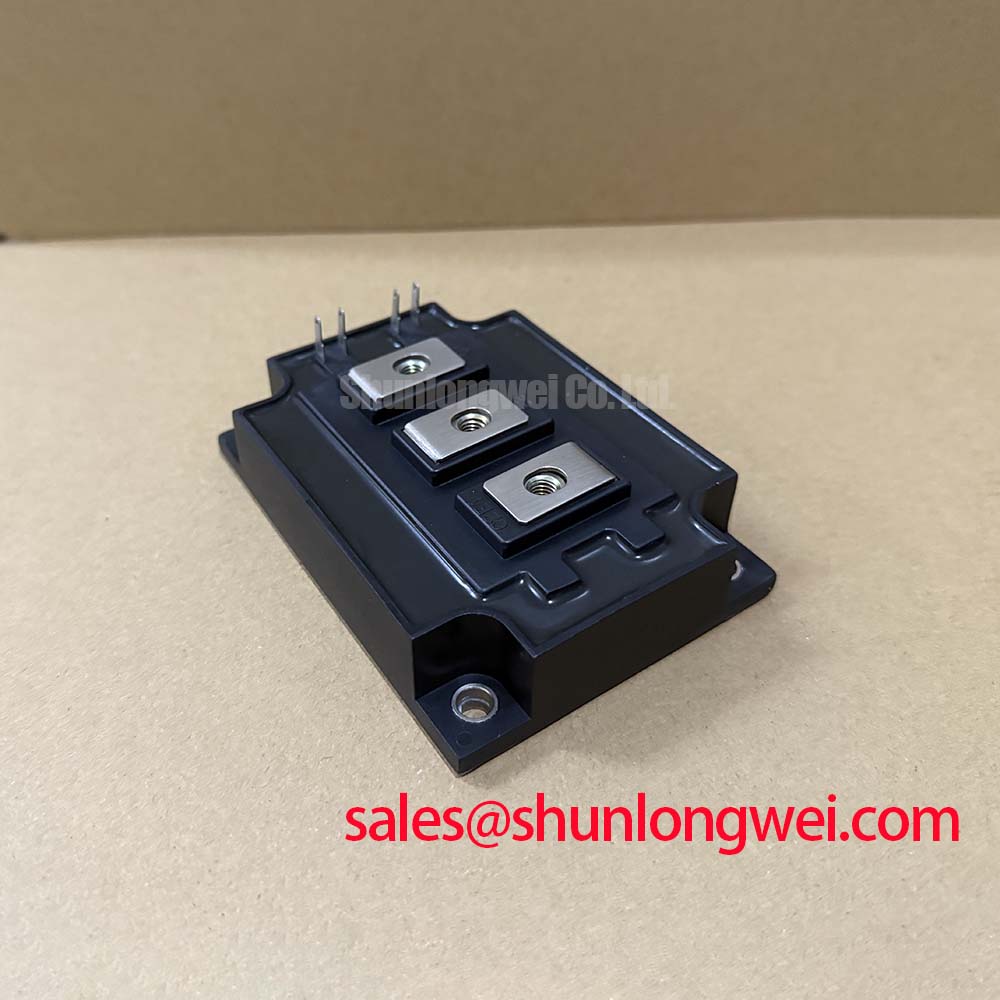
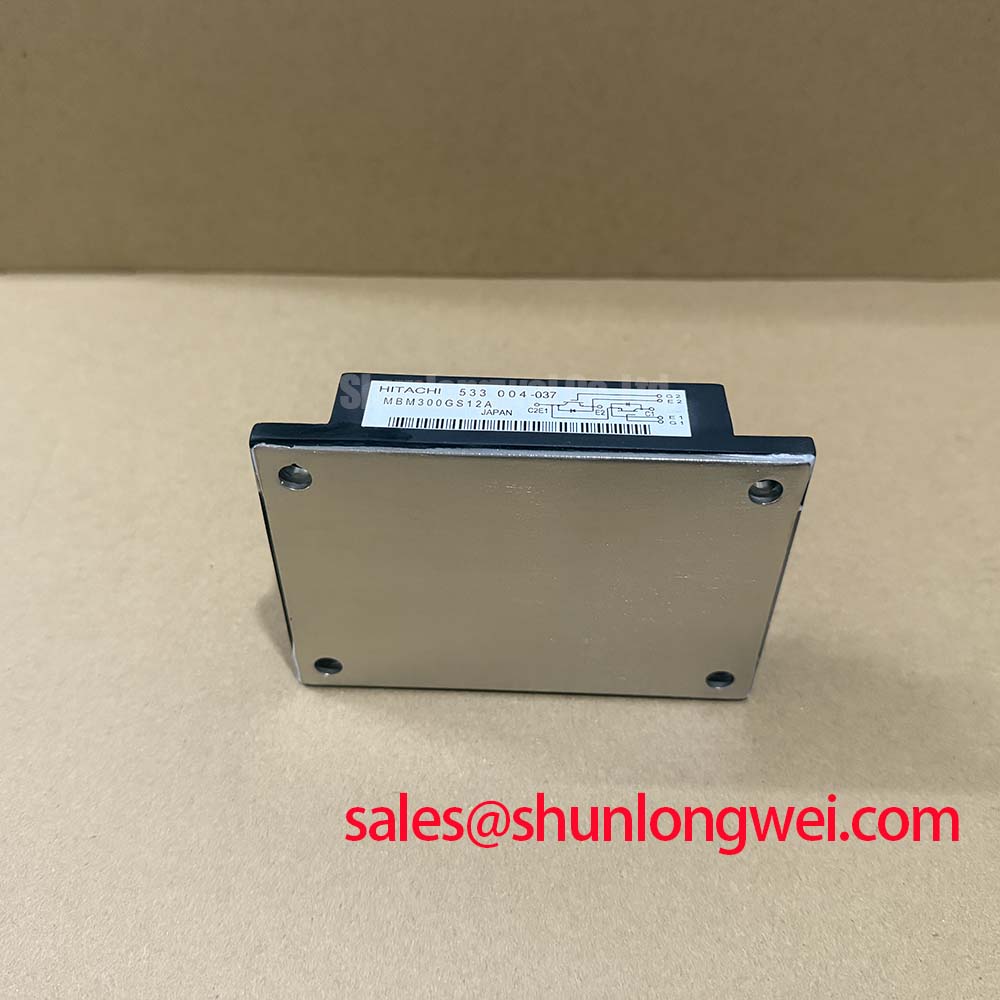
Optimized Industrial Application Scenarios
The MBM300GS12A is uniquely suited for applications where power density and ruggedness are non-negotiable requirements:
- Variable Frequency Drives (VFDs): High short-circuit withstand time ensures the module survives transient motor faults common in industrial automation.
- Uninterruptible Power Supplies (UPS): Low conduction losses at 1200V/300A ratings enhance energy efficiency during battery discharge cycles.
- Solar Inverters: Optimized for high-frequency PWM switching, reducing the size of output filter components.
- Induction Heating: The high di/dt capability allows for precise control in resonant converter topologies.
Best-Fit Conclusion: The MBM300GS12A is the definitive choice for engineers prioritizing long-term thermal reliability and low switching EMI in 300A power architectures.
Key Specifications Table
| Parameter Group | Description | Typical Value |
|---|---|---|
| Absolute Ratings | Collector-Emitter Voltage ($V_{CES}$) | 1200 V |
| Collector Current ($I_C$) | 300 A ($T_C=25^circ C$) | |
| Electrical Characteristics | Saturation Voltage ($V_{CE(sat)}$) | 2.1 V – 2.7 V |
| Gate Threshold Voltage ($V_{GE(th)}$) | 4.5 V – 7.5 V | |
| Thermal Properties | Thermal Resistance (IGBT) | 0.085 K/W (max) |
Engineer FAQ
Q1: What is the recommended gate-drive voltage for the MBM300GS12A?
A: While the threshold is lower, a standard $+15V/-15V$ or $+15V/0V$ gate-drive signal is recommended to ensure full saturation and to minimize turn-off losses by providing a robust negative bias.
Q2: How should junction temperature ($T_j$) be monitored for safety?
A: Most designs pair the MBM300GS12A with an external NTC thermistor mounted on the same heatsink. For critical safety, refer to our guide on IGBT thermal design and Zth curves.
Q3: Is the MBM300GS12A suitable for parallel operation in high-current arrays?
A: Yes, its positive temperature coefficient of $V_{CE(sat)}$ facilitates natural current sharing between modules, though careful busbar symmetry is still required to manage parasitic inductance.
The Hitachi MBM300GS12A empowers engineers to design high-power systems that do not compromise on efficiency or thermal longevity. By providing a stable electrical profile and industry-standard mechanical dimensions, it simplifies the transition from prototype to high-volume industrial deployment.