Sharp LQ110Y3DG01: 11-Inch Wide-Temperature Industrial TFT-LCD Panel Overview
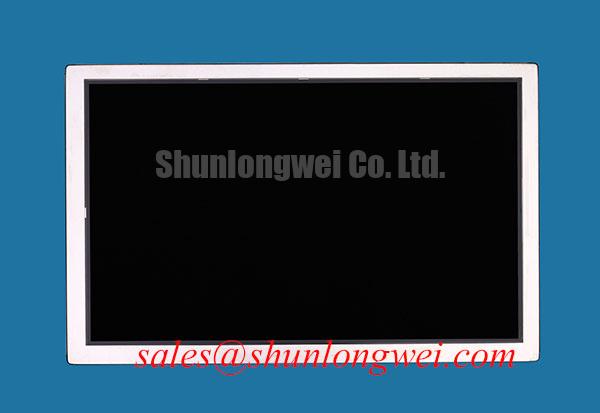
Sharp LQ110Y3DG01 11-Inch WVGA Industrial TFT-LCD Panel
Introduction and Core Highlights
The Sharp LQ110Y3DG01 is an 11-inch industrial display panel engineered for stable performance across challenging thermal environments. It features a wide operating temperature range from -30°C to +80°C, ensuring reliable startup and optical execution in both extreme cold and heat. Designers of industrial interfaces can utilize this amorphous silicon TFT-LCD to sustain image clarity under rugged operational conditions.
- Core Specifications: 11.0″ Diagonal | 800 × 480 (WVGA) | 300 cd/m² Brightness | 6-bit CMOS Interface
- Key Benefits: Extended outdoor thermal endurance and drop-in compatibility for legacy 11-inch system configurations.
Search for Sharp LQ110Y3DG01 Datasheet
Thermal Resilience and Technical Analysis
Standard liquid crystal panels degrade or freeze at sub-zero temperatures, causing liquid crystal sluggishness. The LQ110Y3DG01 supports a operational threshold down to -30°C and up to +80°C. For a detailed guide on this thermal issue, read about engineering LCDs for extreme cold. This thermal resilience is achieved through optimized liquid crystal viscosity and robust encapsulation materials.
Think of the liquid crystal cell gap like the oil in an engine. Standard oils thicken and seize in freezing conditions, but specialized formulations flow smoothly. Similarly, the LQ110Y3DG01 utilizes low-viscosity liquid crystals that respond quickly even at -30°C, maintaining a swift response time of 35ms (typical sum of rise and fall). This prevents ghosting and keeps critical system alerts legible.
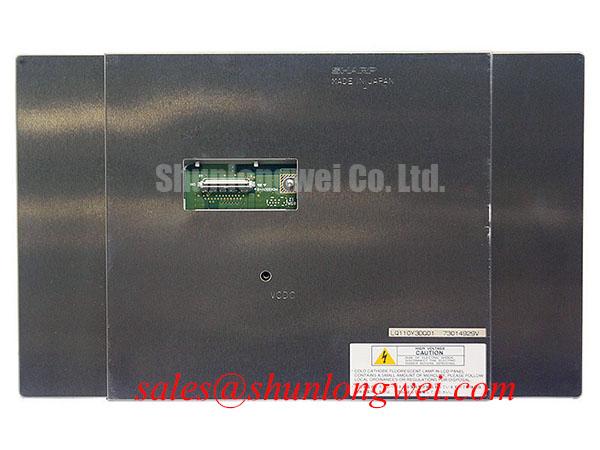
The panel employs a 1-channel, 6-bit CMOS interface with a 40-pin connector configuration. Operating on a typical supply voltage of 3.3V/5.0V, it integrates legacy controller boards. This simplified interface architecture reduces circuit complexity, which is a major design consideration when selecting display components from Sharp.
Optimized Application Scenarios
- Outdoor Kiosks & Charging Stations: The wide operating temperature range (-30°C to +80°C) ensures continuous operation without the need for active climate control systems.
- Smart Factory HMIs: The robust TN transmissive design fits the stringent requirements detailed in smart factory HMI specifications.
- Heavy Duty Transportation Displays: With high resistance to extreme environments, it operates reliably under mechanical stress. You can read more in our vibration and shock resistance guide.
The LQ110Y3DG01 is best matched for outdoor terminal displays and rugged industrial control systems requiring uncompromised legibility in uncontrolled temperature environments.
Key Specifications Parameter Table
| Sharp LQ110Y3DG01 Technical Parameters | |
|---|---|
| Display Size | 11.0 Inches (Diagonal) |
| Resolution | 800 (RGB) × 480 [WVGA] |
| Luminance | 300 cd/m² (Typical) |
| Contrast Ratio | 300:1 (Typical) |
| Display Colors | 262K (6-bit) |
| Interface Type | CMOS (1-ch, 6-bit) 40-pin |
| Operating Temperature | -30°C to +80°C |
| Storage Temperature | -30°C to +80°C |
| Supply Voltage (VCC) | 3.3V / 5.0V (Typical) |
| Backlight Type | Dual CCFL Lamps |
Engineer FAQ
Q1: How does the wide operating temperature benefit outdoor terminals?
A1: The -30°C to +80°C threshold prevents display failure, black spots, and sluggish refresh rates during extreme weather conditions, removing the need for auxiliary heaters or cooling fans.
Q2: What interface type does the LQ110Y3DG01 display panel use?
A2: It uses a standard 1-channel, 6-bit CMOS interface connected via a 40-pin connector, operating at 3.3V or 5.0V.
Q3: Can this CCFL-backlit display be upgraded or adapted for modern LED systems?
A3: While the panel natively uses two CCFL lamps, engineers frequently use third-party inverter conversion kits to drive the backlight with updated LED drivers, provided form factor allowances are met.
Closing Statement
The Sharp LQ110Y3DG01 provides a reliable display platform for industrial installations that demand environmental resilience. By maintaining optical performance and quick response times at sub-zero temperatures, it allows engineers to design robust systems without adding expensive thermal enclosures.