Technical Analysis of the Sharp LQ181E1LE38 UXGA Display
## Sharp LQ181E1LE38 18.1-inch UXGA Color TFT-LCD Module
High-Resolution Imaging for Demanding Visual Applications
The Sharp LQ181E1LE38 is an 18.1-inch amorphous silicon TFT-LCD module engineered for applications requiring high information density and visual clarity. Its key distinction lies in the combination of a large active display area with a high-detail UXGA resolution, providing a precise canvas for complex graphical interfaces and critical data analysis.
* **Core Specifications**: 18.1″ Diagonal | 1600 x 1200 UXGA | Dual Channel LVDS Interface
* **Key Advantages**: Delivers exceptional detail for accurate data representation. Offers a large screen area suitable for comprehensive system dashboards.
* **Intended Integration**: The module’s native UXGA resolution allows for the display of fine-lined schematics, detailed maps, or extensive diagnostic screens without the loss of fidelity associated with scaling.
A verified datasheet for this specific model is not publicly available from the manufacturer. The specifications provided are aggregated from industry sources.
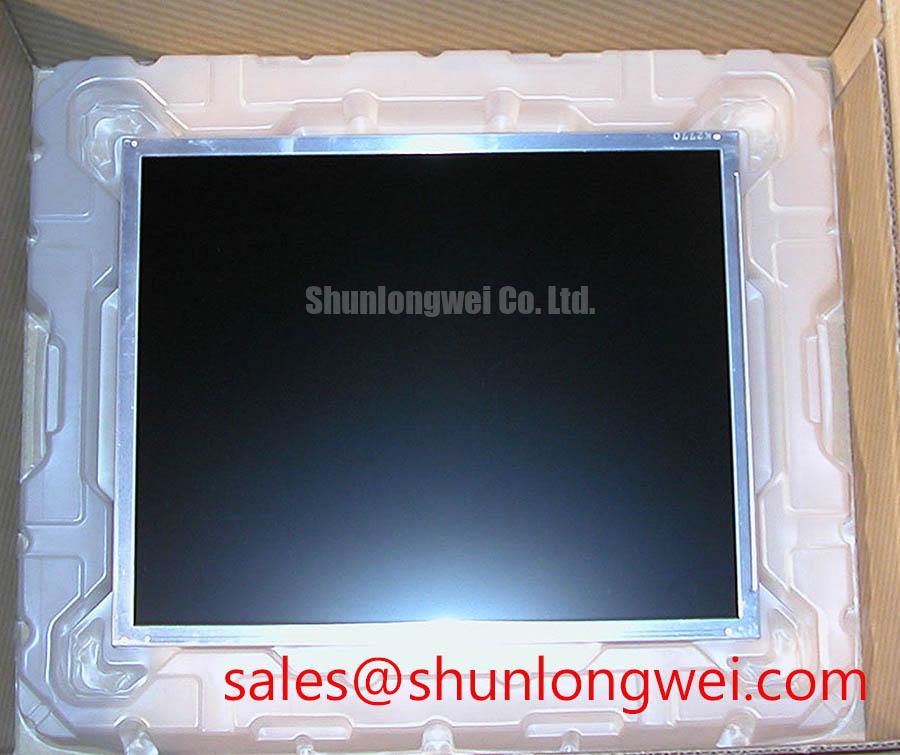
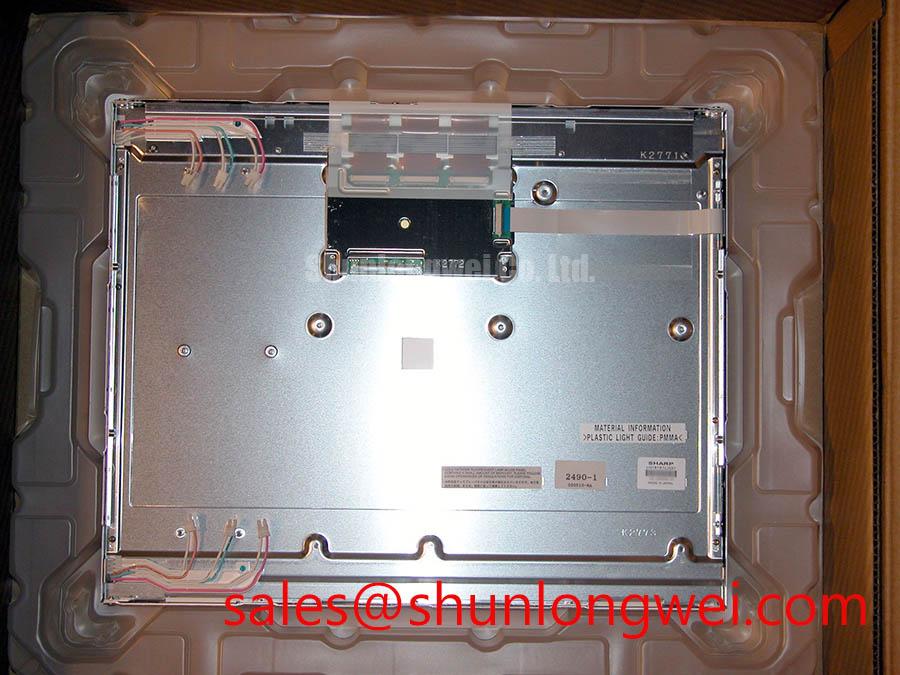

Technical Analysis for System Integration
The primary engineering value of the LQ181E1LE38 is its UXGA (1600 x 1200 pixels) resolution. Spread across an 18.1-inch diagonal, this results in a pixel density of approximately 110.6 pixels per inch (PPI). This density is the enabling factor for rendering sharp text and intricate graphics. Think of pixel density like the thread count in a fine fabric; a higher count allows for smoother curves and more detailed patterns. For an engineer, this means less aliasing on diagnostic vector graphics and the ability to present more data fields on a single screen without sacrificing legibility.
Data transmission to the panel is handled by a dual-channel Low Voltage Differential Signaling (LVDS) interface. This high-speed serial interface is designed for robustness in environments with potential electromagnetic interference (EMI). By using differential pairs, it minimizes noise emissions and provides a high degree of noise immunity. This simplifies the electrical integration into larger systems, particularly where longer cable runs between the display controller and the panel are necessary, ensuring signal integrity is maintained.
Optimized Application Scenarios
The specific characteristics of the LQ181E1LE38 make it a strong candidate for equipment where visual precision is paramount.
* **Medical Imaging Stations**: The high resolution is well-suited for displaying detailed diagnostic images, such as PACS workstations.
* **Industrial Control Panels**: Its large size allows for the creation of comprehensive HMI dashboards, enabling operators to monitor multiple processes simultaneously.
* **Scientific and Test Equipment**: Capable of clearly rendering complex waveforms, charts, and large datasets generated by measurement instruments.
* **Legacy System Sustainment**: Provides a form-fit-function display solution for maintaining and servicing older industrial or medical equipment originally designed with large-format UXGA screens.
This module is best matched for stationary, high-detail visualization tasks where its resolution and screen size directly contribute to operator efficiency and accuracy.
Key Specification Parameters
| Feature | Specification |
|---|---|
| Manufacturer | Sharp |
| Model | LQ181E1LE38 |
| Screen Size | 18.1 inch |
| Resolution | 1600(RGB) x 1200 [UXGA] |
| Display Technology | a-Si TFT-LCD, Liquid Crystal |
| Brightness | 200 cd/m² (Typ.) |
| Contrast Ratio | 300:1 (Typ.) |
| Viewing Angle | 70/70/55/65 (Typ.)(CR≥10) (L/R/U/D) |
| Interface Type | LVDS (2 ch, 8-bit) |
| Backlight | 4 pcs CCFL |
| Operating Temperature | 0 ~ 50 °C |
Engineer FAQ
1. What are the primary signals involved in the dual-channel LVDS interface of the LQ181E1LE38?
A dual-channel LVDS interface for an 8-bit display like this typically involves 10 differential pairs: 8 pairs for data (4 for the odd pixel channel, 4 for the even pixel channel) and 2 pairs for the clock signals (one for each channel). This configuration is necessary to support the bandwidth required for the UXGA resolution at standard refresh rates.
2. What are the thermal considerations for the CCFL backlight?
The display utilizes a 4-tube Cold Cathode Fluorescent Lamp (CCFL) system for its backlight, which generates significant heat and requires a high-voltage inverter. The system’s total power consumption is typically around 22W. Enclosure design must ensure adequate ventilation or passive cooling to keep the module’s surface and ambient temperature within the 0 to 50°C operating range to ensure backlight longevity and stable optical performance. For more on this topic, see our guide to thermal management for display reliability.
3. How does the 300:1 contrast ratio impact image quality?
A 300:1 contrast ratio defines the luminance difference between the brightest white and darkest black the panel can produce. While modest by modern standards, it is sufficient for clear text and graphics in controlled indoor lighting environments typical of industrial control rooms and labs. It ensures that distinct data points and user interface elements are clearly distinguishable. However, it may not be suitable for applications requiring deep blacks or use in high ambient light.
4. Is the anti-glare surface treatment suitable for brightly lit environments?
Yes, the panel includes an anti-glare (AG) surface treatment. This is a matte finish designed to diffuse ambient light reflections rather than reflecting them directly at the operator. This treatment reduces eye strain and improves readability in environments with overhead lighting or other sources of glare, which is a common challenge in smart factory HMI installations.
Enabling High-Clarity System Interfaces
The LQ181E1LE38 provides the foundational components for building human-machine interfaces that prioritize detail and data integrity. Its expansive, high-resolution screen enables engineers to design less ambiguous and more capable monitoring and control systems, directly supporting the need for clear, at-a-glance information in complex operational environments.