SKM75GAL123D: A Technical Analysis of a High-Efficiency 1200V IGBT Module
SKM75GAL123D | SEMIKRON 1200V 105A IGBT Module
Introduction and Core Highlights
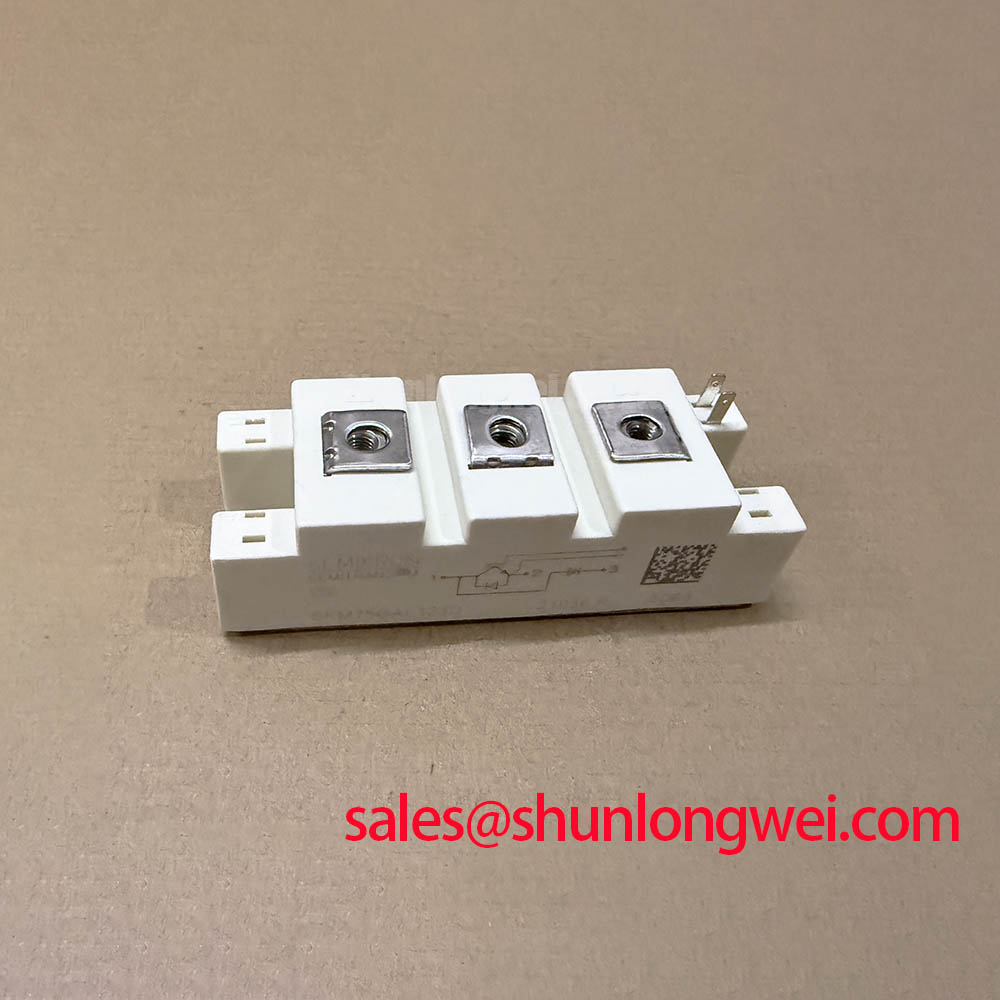
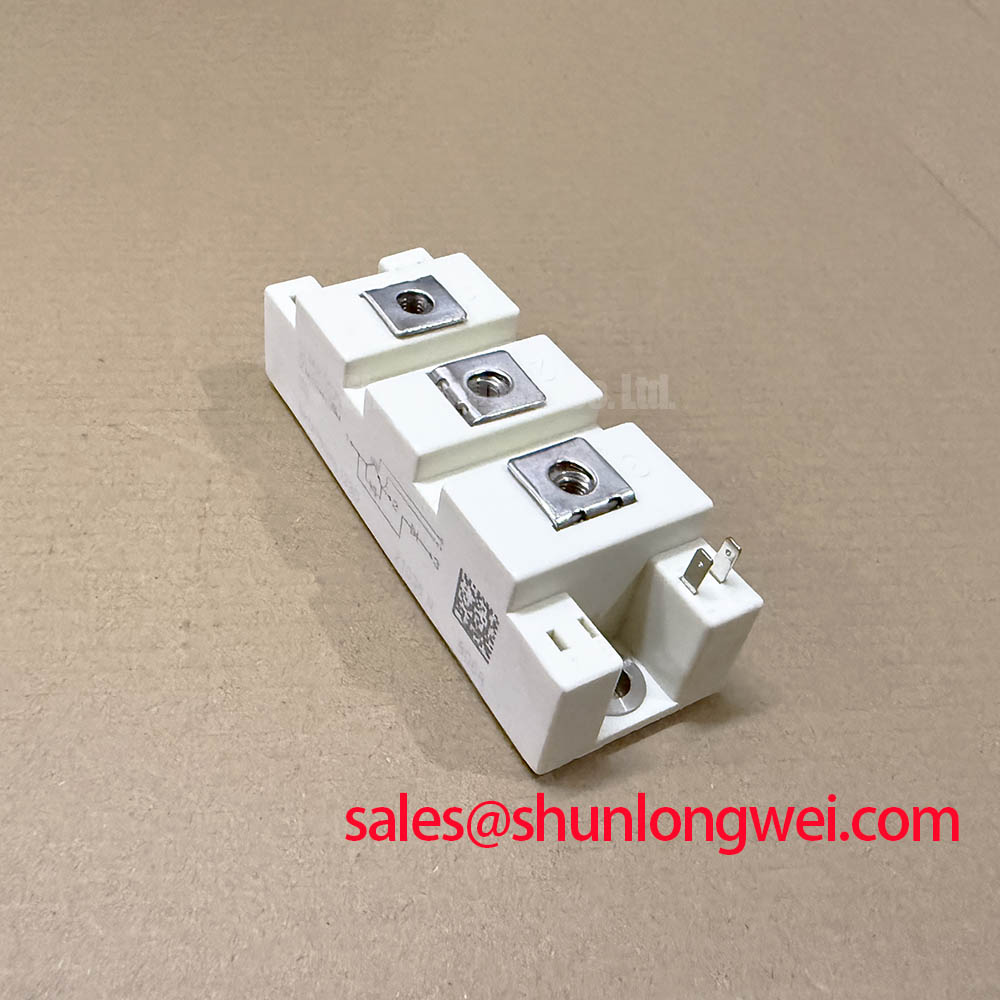
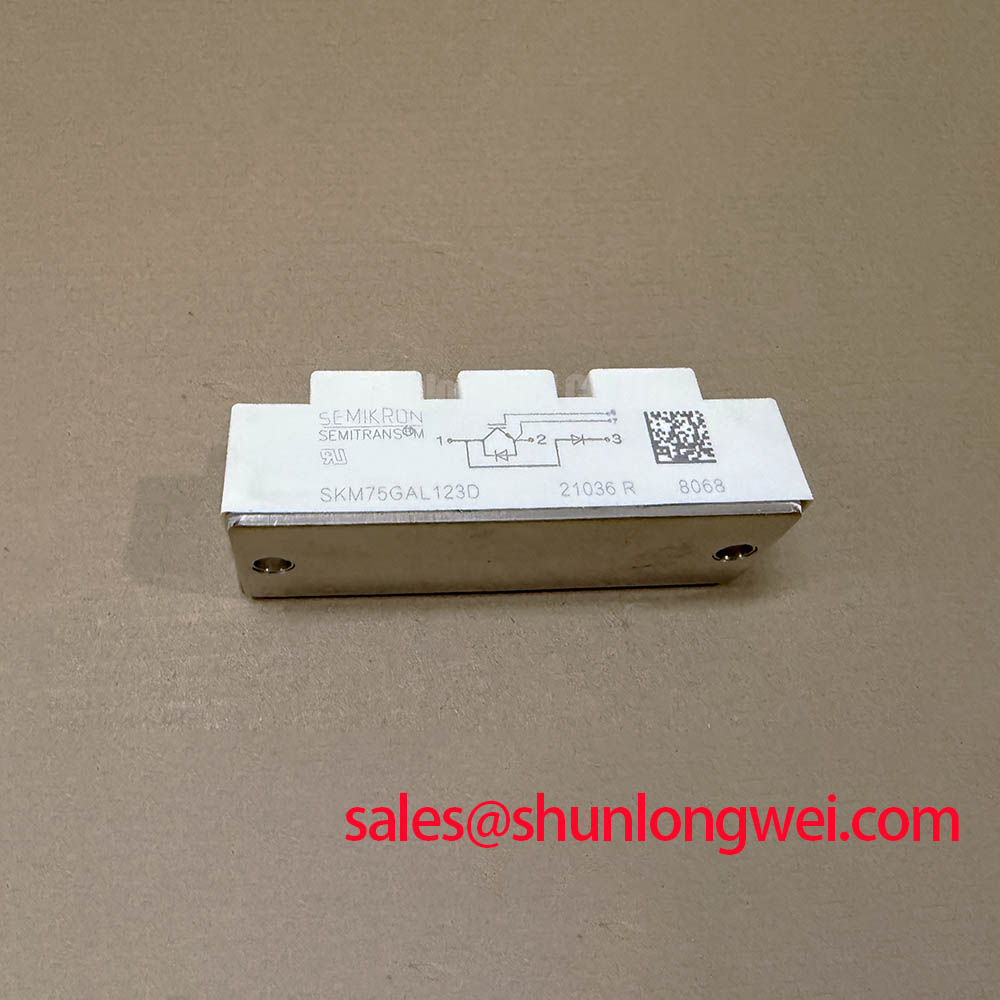
The SKM75GAL123D is a half-bridge IGBT module from Semikron’s SEMITRANS 2 family, engineered for efficient and reliable power conversion. Its core value lies in the strategic combination of Trench gate IGBT technology with a soft-recovery CAL (Controlled Axial Lifetime) freewheeling diode. This pairing achieves a superior balance between low on-state voltage and controlled switching behavior. The integrated CAL diode, in particular, ensures soft recovery characteristics, a critical feature for minimizing voltage overshoots and reducing electromagnetic interference (EMI) in high-frequency applications.
- Core Specifications: 1200V | 105A (Tc = 25°C) | VCE(sat) 2.0V (typ)
- Key Advantages: Low conduction losses improve thermal performance, and soft-recovery diode characteristics simplify filtering and enhance system reliability.
Download the Official Datasheet (PDF)
Technical Analysis for System Performance
Low Conduction Losses via Trench Gate Technology
The SKM75GAL123D utilizes Trench gate IGBTs, which results in a low typical collector-emitter saturation voltage (VCE(sat)) of 2.0V at its nominal current of 75A (Tj=125°C). This parameter is a direct indicator of power lost as heat during the on-state. A lower VCE(sat) means less energy is wasted, leading to higher overall converter efficiency and reduced requirements for thermal management hardware. This efficiency gain allows for more compact system designs or higher power throughput within the same thermal envelope.
Soft Switching and Reduced EMI with CAL Diode
Paired with the IGBT is a CAL freewheeling diode engineered for “soft” recovery. When the IGBT turns on, the diode must turn off, and a “hard” recovery can cause significant voltage spikes and high-frequency oscillations. The CAL diode’s soft recovery characteristic dampens these effects, reducing conducted and radiated EMI. This simplifies the design of external snubber circuits, lowers component stress, and helps systems meet stringent EMC standards with less complex filtering.

Reliable Thermal Design and Monitoring
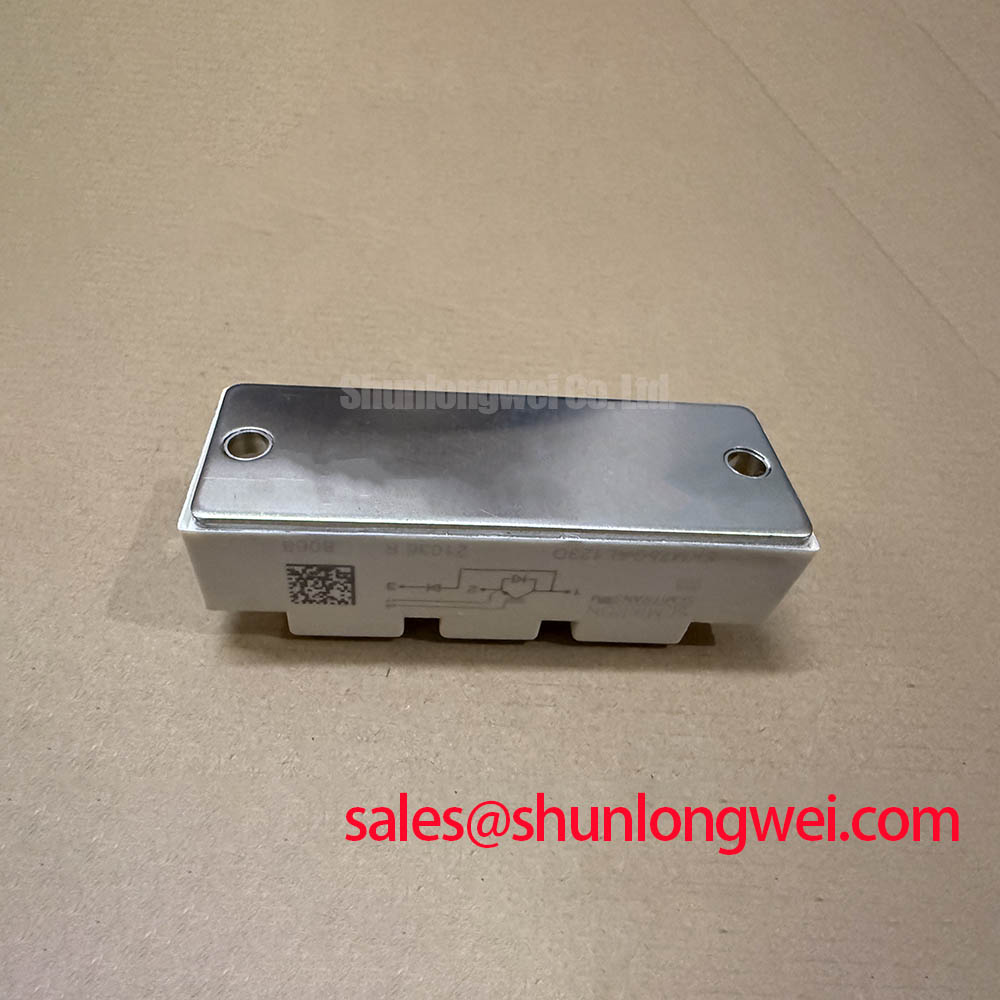
Effective heat dissipation is critical for IGBT longevity. The module’s thermal resistance from junction to case (Rth(j-c)) for the IGBT is specified at 0.4 K/W. Think of thermal resistance as the width of a pipe for heat flow; a lower value indicates a wider pipe, allowing heat to escape the semiconductor die more easily. This efficient heat transfer is facilitated by an isolated Al2O3 DCB (Direct Copper Bonding) baseplate. Furthermore, an integrated NTC thermistor provides a direct feedback path for temperature monitoring, enabling robust over-temperature protection within the control system.
Optimized Application Scenarios
The balanced performance of the SKM75GAL123D makes it a strong candidate for several demanding applications:
- Variable Frequency Drives (VFDs): Its low VCE(sat) directly improves drive efficiency, while the soft-recovery diode minimizes EMI that could interfere with sensitive control electronics.
- Uninterruptible Power Supplies (UPS): High efficiency and reliability are paramount. The module’s robust thermal performance and low losses contribute to longer operational life and dependable power backup.
- Solar Inverters: The 1200V rating provides the necessary voltage headroom for solar applications, while its efficiency maximizes the energy harvested from PV arrays.
- Welding Equipment: The module’s robust electrical characteristics and ability to handle high pulse currents are well-suited for the demanding cycles found in modern welding power supplies.
This module is best suited for industrial motor drives and power converters requiring a balance of thermal efficiency and low electromagnetic interference.
Key Specification Parameters
| Absolute Maximum Ratings (per IGBT) | ||
|---|---|---|
| Collector-Emitter Voltage (VCES) | Tvj = 25°C | 1200 V |
| Continuous DC Collector Current (IC) | Tc = 25°C / 80°C | 105 A / 75 A |
| Gate-Emitter Voltage (VGES) | ±20 V | |
| Total Power Dissipation (Ptot) | Tc = 25°C | 375 W |
| Electrical & Thermal Characteristics (Tvj = 125°C unless otherwise noted) | ||
| Collector-Emitter Saturation Voltage (VCE(sat)) | IC = 75 A, VGE = 15 V | 2.35 V (typ.) |
| Forward Voltage, Inverse Diode (VF) | IF = 75 A, VGE = 0 V | 2.2 V (typ.) |
| Thermal Resistance, Junction to Case (Rth(j-c)) | per IGBT | 0.4 K/W |
| Operating Junction Temperature (Tvj op) | -40 to +150 °C | |
Engineer’s FAQ
1. What are the key thermal design advantages of the SKM75GAL123D?
The primary advantages are its low thermal resistance from junction to case (0.4 K/W for the IGBT) and its isolated Al2O3 baseplate. This combination ensures efficient heat transfer to a heatsink. Additionally, the integrated NTC thermistor allows for real-time temperature monitoring, enabling a proactive thermal protection strategy in your system’s control logic.
2. How should this module be mounted to ensure proper thermal contact?
For optimal thermal performance, ensure the heatsink surface is clean and flat. Apply a thin, uniform layer of thermal interface material (thermal grease) across the module’s baseplate. Mount the module using the specified screw torque values found in the datasheet to prevent mechanical stress and ensure even pressure distribution, which is crucial for minimizing contact thermal resistance.
3. What is the main benefit of the CAL freewheeling diode?
The CAL diode is designed for a “soft” recovery. This means it turns off smoothly, which significantly reduces voltage ringing and electromagnetic interference (EMI). For engineers, this translates to higher system reliability, less stress on components, and potentially simpler and lower-cost EMI filtering designs.
4. Is this module suitable for paralleling to achieve higher current?
The datasheet shows that VCE(sat) has a positive temperature coefficient, which is a fundamental requirement for stable current sharing between paralleled IGBTs. However, successful IGBT paralleling also requires careful attention to symmetrical busbar layout to minimize stray inductance and a robust gate drive design to ensure simultaneous switching.
Enabling Robust Power System Design
The Semikron SKM75GAL123D offers a well-rounded solution for power electronics engineers. By integrating efficient Trench gate technology with a low-EMI CAL diode and providing essential features like an isolated baseplate and an NTC thermistor, this module provides a reliable building block. It enables the development of power conversion systems that are not only efficient but also robust and easier to integrate from a thermal and electromagnetic perspective.