Fuji 1MBI1500UE-330 3300V 1500A IGBT Module: Technical Specifications and Applications
Fuji 1MBI1500UE-330 High-Power 3300V 1500A IGBT Module
Introduction and Core Highlights
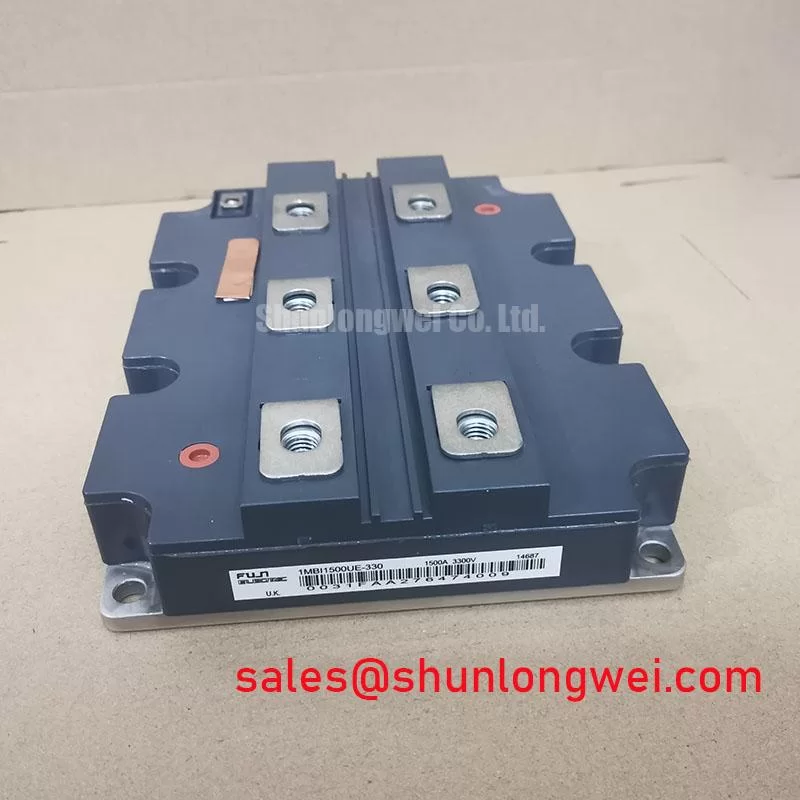
The Fuji 1MBI1500UE-330 is a high-power single IGBT module engineered for demanding electrical systems requiring reliable high-voltage switching. Operating at a collector-emitter voltage of 3300V and a continuous collector current of 1500A, this module provides low saturation voltage and optimized switching parameters. These attributes minimize conduction losses in heavy industrial equipment. This product helps system designers reduce cooling system dimensions and simplify overall thermal management configurations. To protect the module from voltage spikes during high di/dt switching, engineers often implement active clamping circuits.
- Core Specifications: 3300V | 1500A | Single Switch Configuration
- Key Benefits: Reduced thermal load on heatsinks, simplified package footprint for megawatt designs
Download Official Datasheet (PDF)

Technical Analysis and Thermal Design
The 1MBI1500UE-330 is part of Fuji Electric’s high-voltage portfolio of power semiconductors. The silicon chip architecture is optimized for low collector-emitter saturation voltage (VCE(sat)), which measures typically 3.0V at rated current. Keeping VCE(sat) low reduces conduction losses during the on-state, preventing excessive heat buildup inside the module. To handle high-energy turn-off transitions, the module integrates a fast, soft-recovery free-wheeling diode. This component reduces electromagnetic interference and voltage overshoot during inductive switching.
Managing the heat generated within the module is critical to preventing premature IGBT failures. The transient thermal impedance between junction and case (Rth(j-c)) is key here. Think of thermal resistance as a highway lane bottleneck. A lower thermal resistance rating represents a wider highway, allowing heat to flow rapidly away from the delicate silicon junction to the heatsink. This keeps the junction temperature within safe operating boundaries.

Targeted Application Environments
- Railway Traction Inverters: The 3300V rating accommodates standard catenary line voltage fluctuations, providing high operating safety headroom.
- Industrial Motor Drives: The 1500A continuous current capacity allows the control of high-torque, multi-megawatt AC motors.
- Wind Power Converters: High thermal cycling capabilities support reliable operation under the variable load profiles typical of wind turbines.
- Flexible AC Transmission Systems (FACTS): Low switching losses optimize system efficiency in active harmonic filtering and reactive power compensation setups.
Best match: The 1MBI1500UE-330 is optimized for megawatt-range high-voltage power conversion systems requiring low conduction losses and high insulation reliability.
Key Specifications Parameter Table
| Parameter | Symbol | Maximum Rated Value / Typical Value |
|---|---|---|
| Collector-Emitter Voltage | VCES | 3300 V |
| Continuous Collector Current | IC | 1500 A |
| Collector-Emitter Saturation Voltage (Tj=125°C) | VCE(sat) | 3.00 V (Typical) |
| Gate-Emitter Voltage | VGES | ±20 V |
| Isolation Voltage (AC, 1 minute) | Visol | 6000 V |
| Operating Junction Temperature | Tj | -40 to +150 °C |
Engineer FAQ
Q1: What is the recommended strategy for gate drive protection on the 1MBI1500UE-330?
A1: To prevent transient voltage overshoots during fast turn-off cycles, gate drivers should utilize active clamping and negative gate bias (-15V) to secure the off-state.
Q2: How does the package handle mechanical stresses in high-vibration applications?
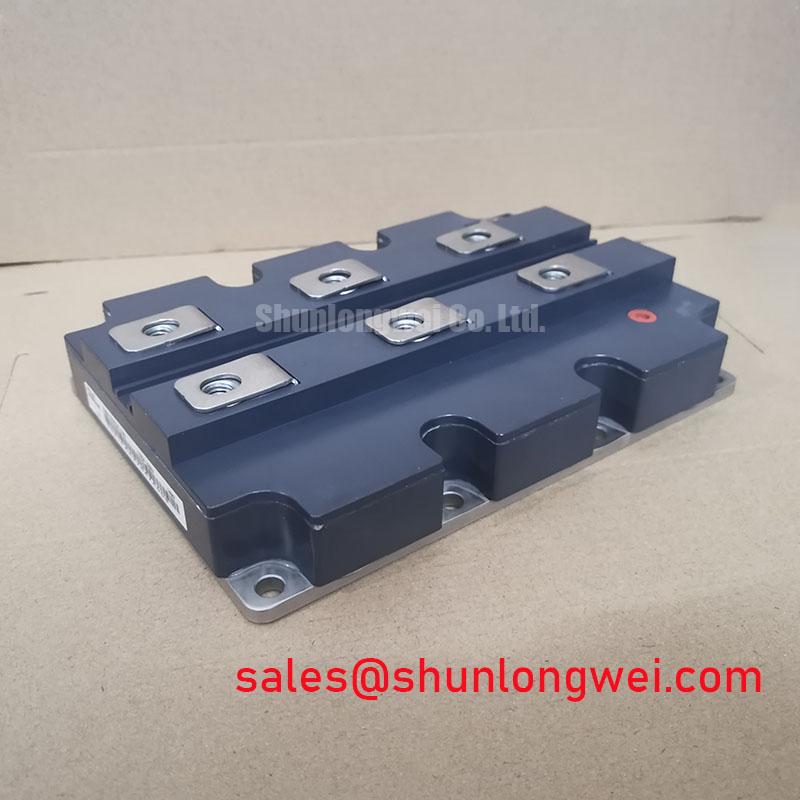
A2: The module features a robust flat copper baseplate with multi-point screw mounting. This design distributes clamping pressure evenly and mitigates mechanical fatigue on internal wire bonds.
Q3: What is the isolation rating of the 1MBI1500UE-330 module?
A3: The module is rated for an AC isolation voltage of 6000V for 1 minute between the terminals and the baseplate, meeting industrial high-voltage safety standards.
Closing Statement
By addressing the demanding trade-offs between thermal efficiency and electrical isolation, this module enables robust power stage designs. Its low saturation voltage combined with stable switching performance provides high operating efficiency in high-power applications.