SKM150GB123D Semikron 1200V 150A Half-Bridge IGBT Module: Technical Overview and Application Guide
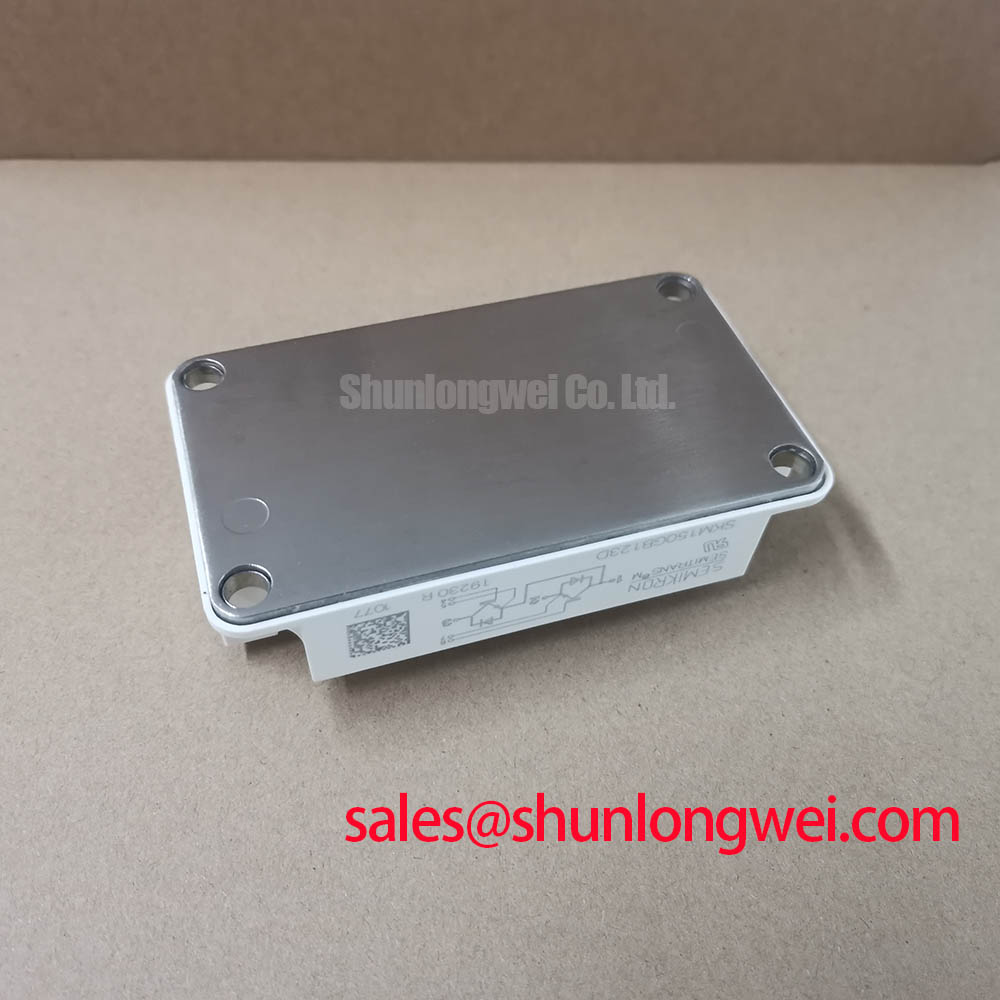
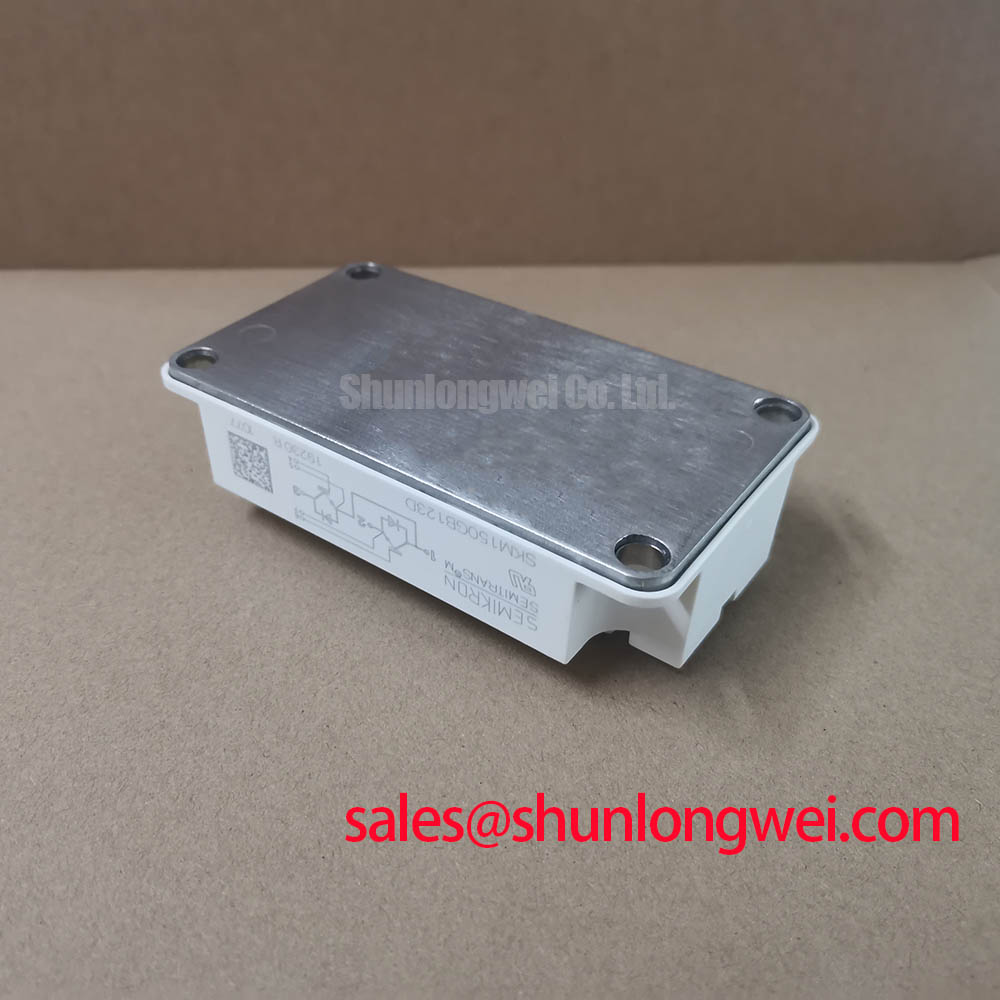
SKM150GB123D Semikron 1200V 150A Half-Bridge IGBT Module
Introduction and Core Highlights
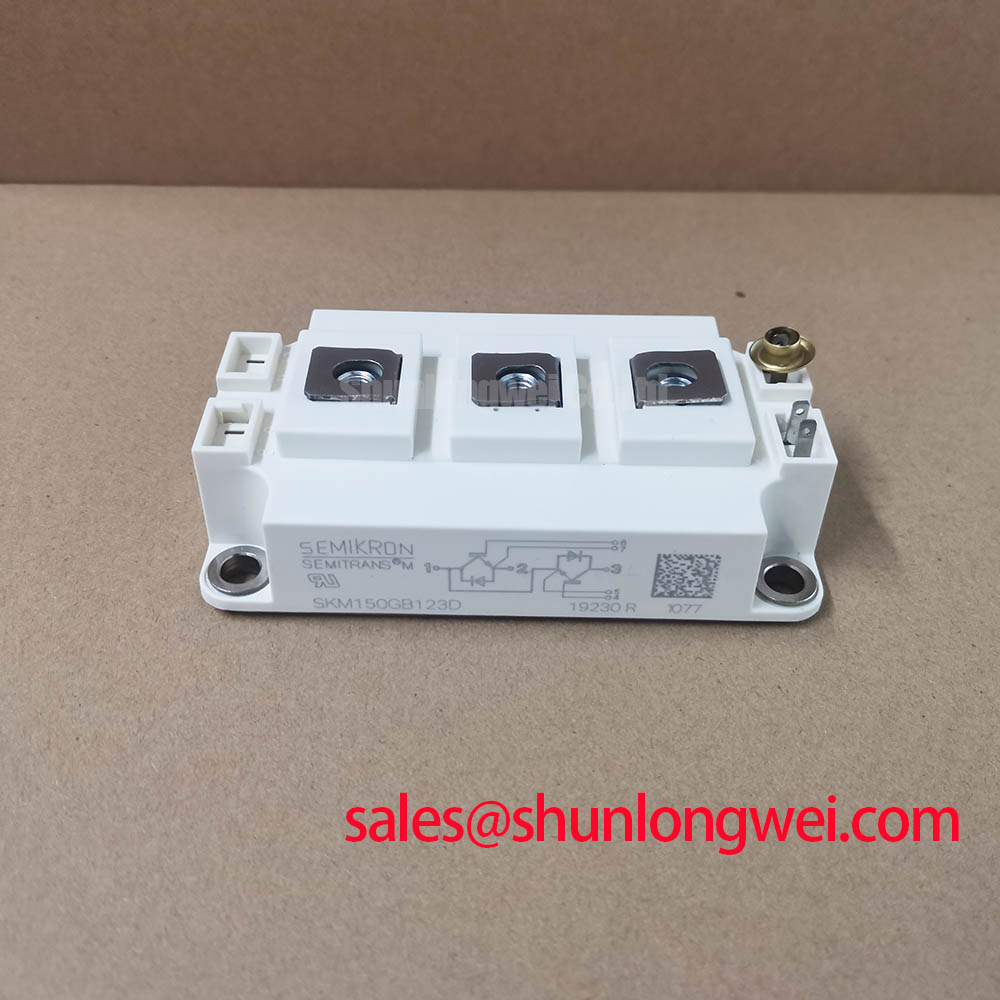
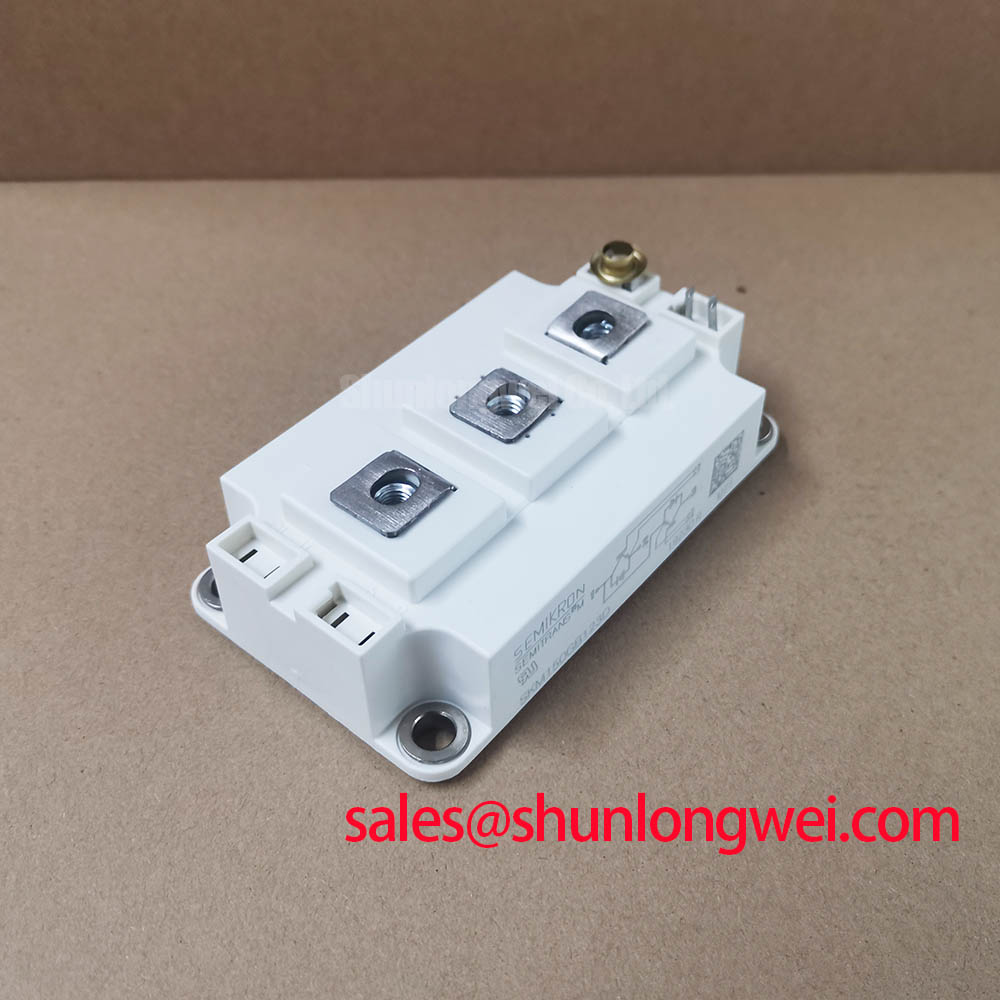
The SKM150GB123D is a highly robust half-bridge power semiconductor module utilizing Semikron’s signature trench gate IGBT technology and a Controlled Axial Lifetime (CAL) free-wheeling diode. Engineered for efficiency and durability, this module delivers stable performance in demanding industrial switching applications.
- Core Specifications: 1200V | 150A (at Tc = 25°C) | VCE(sat) 1.7V typical
- Engineering Advantages: Reduced switching losses for cooler operation; enhanced immunity against transient overvoltages.
By integrating an isolated copper baseplate, calculating thermal margins under high-stress conditions becomes more predictable for hardware engineers. Download official manufacturer specifications from Semikron.

Technical Analysis and Engineering Value
The engineering value of the SKM150GB123D lies in the synergy between its low saturation voltage (VCE(sat) of 1.7V typ.) and its fast-switching, soft-recovery CAL diode. This configuration directly addresses thermal dissipation challenges. Lower saturation voltage translates directly to minimized conduction losses during steady-state operation.
To put this in perspective, think of the collector-emitter saturation voltage as a narrow bottleneck on a highway. A lower VCE(sat) acts like opening extra lanes, allowing current to flow smoothly with minimal resistance. This keeps the silicon junction temperature well within safe operating limits.
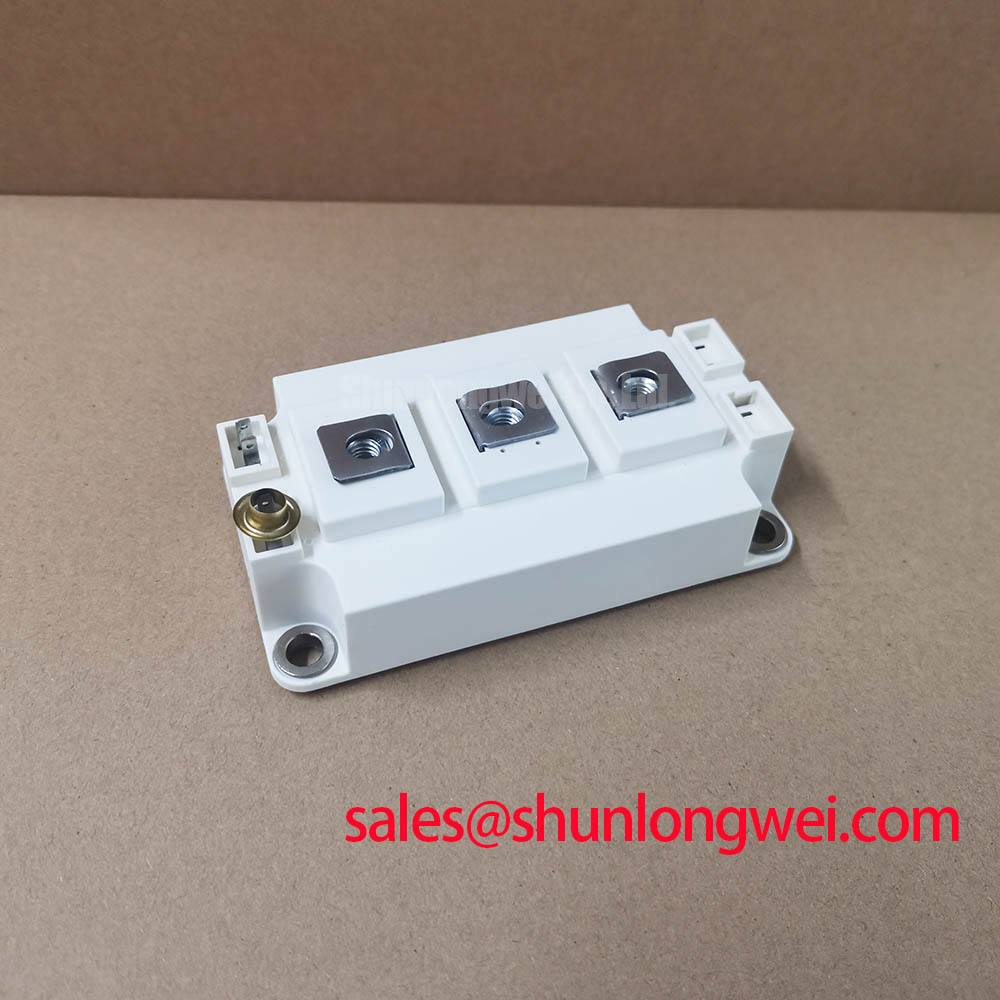
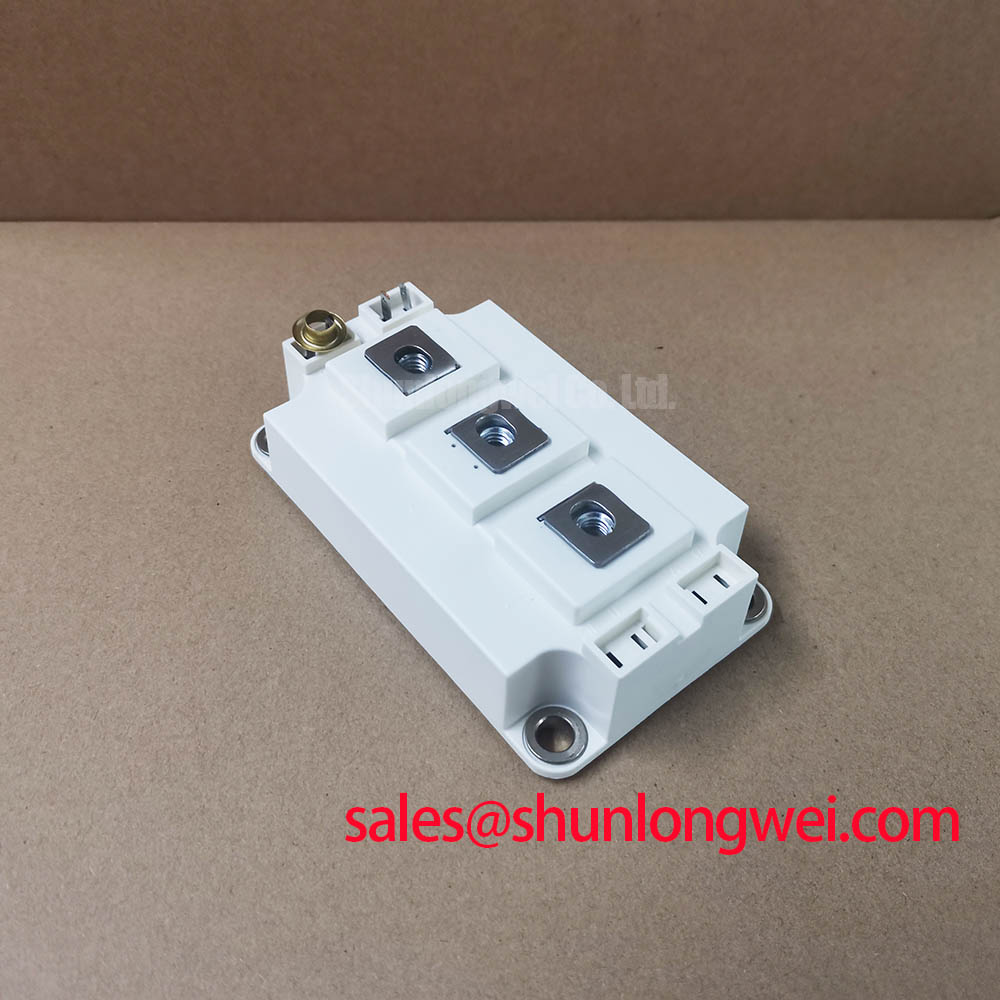
Furthermore, the isolated baseplate technology used in the SEMITRANS 2 package isolates the electrical paths from the heatsink. This design eliminates the need for external ceramic isolation pads, streamlining physical assembly. Understanding isolated baseplates is key to preventing premature failure. For a deeper understanding of wear-out mechanisms, review our comprehensive analysis of IGBT failures.
Optimized Application Scenarios
The SKM150GB123D is well-suited for several power electronic conversion systems:
- AC Motor Drives / Variable Frequency Drives (VFDs): High thermal cycling endurance prevents wear under variable load profiles.
- Uninterruptible Power Supplies (UPS): The low conduction losses maximize battery backup efficiency.
- Solar Inverters: Excellent efficiency when handling high-voltage DC-to-AC conversion.
- Welding Inverters: The robust RBSOA allows safe turn-off under inductive high-current surges.
Best Match: This module is highly compatible with industrial motor controls requiring efficient half-bridge topologies up to 1200V.
Key Specifications Table
| Parameter | Symbol | Value / Rating |
|---|---|---|
| Collector-Emitter Voltage | VCES | 1200 V |
| Continuous Collector Current (Tc = 25°C) | IC | 150 A |
| Continuous Collector Current (Tc = 80°C) | IC_nom | 100 A |
| Collector-Emitter Saturation Voltage (Tj = 25°C) | VCE(sat) | 1.7 V (typical) |
| Thermal Resistance Junction to Case (per IGBT) | Rth(j-c) | 0.18 K/W |
| Isolation Voltage (AC, 1 min) | Visol | 2500 V |
Engineer’s Frequently Asked Questions
Q1: How do I calculate the thermal margin for the SKM150GB123D under high-stress conditions?
A1: Calculate total power losses ($P_{tot} = P_{conduction} + P_{switching}$) and use the junction-to-case thermal resistance ($R_{th(j-c)} = 0.18$ K/W) to determine the maximum heatsink temperature ($T_s$) such that $T_j$ remains under $150^circ C$.
Q2: What are the benefits of the integrated CAL diode in this module?
A2: Semikron’s CAL Diode provides soft-recovery behavior, which minimizes electromagnetic interference (EMI) during fast transition states.
Q3: Can the SKM150GB123D be paralleled for higher current demands?
A3: Yes, but you must ensure symmetrical gate driving layouts and match external gate resistors to prevent current imbalance during switching transitions.
System Integration Readiness
For engineers prioritizing robust power conversion, the SKM150GB123D provides a reliable baseline that minimizes thermal margins and electrical stress. Accessing the manufacturer’s verified technical documentation ensures accurate modeling in thermal simulation software.