PP12017HS(ABBF)6A: A Technical Analysis of a High-Reliability Press-Pack IGBT
## Technical Analysis for PP12017HS(ABBF)6A: High-Reliability Press-Pack IGBT Module
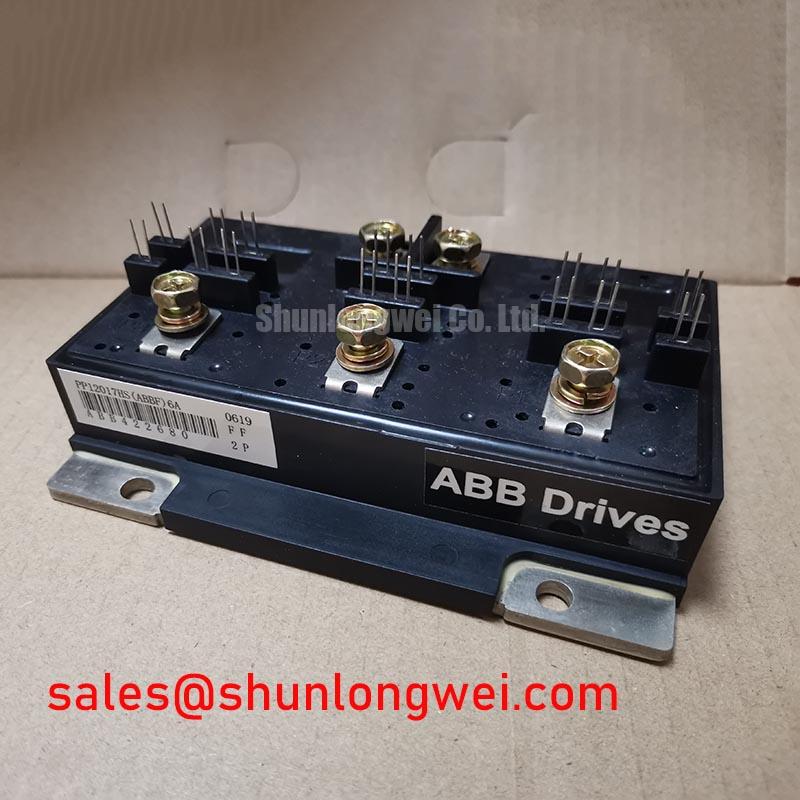
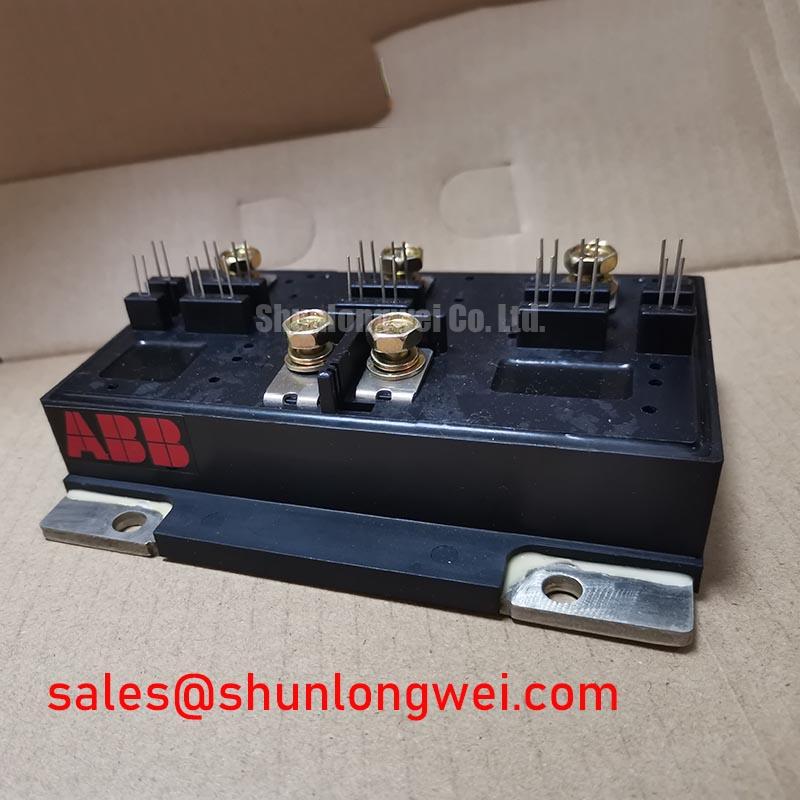
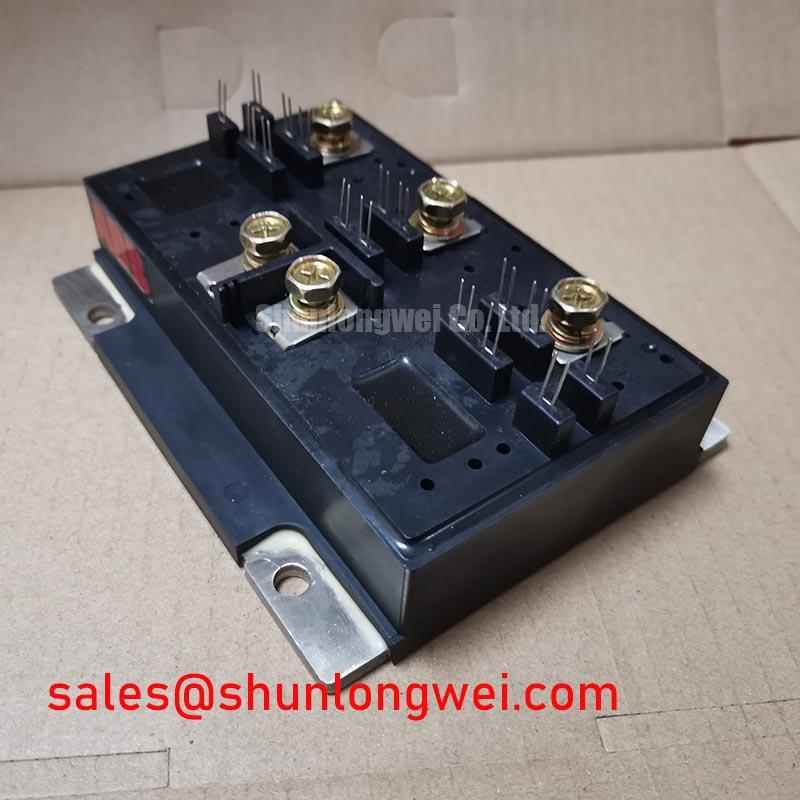
The SEMIKRON PP12017HS(ABBF)6A is a 1700V press-pack IGBT module engineered for high-power, high-reliability applications where conventional soldered modules present limitations. Its core value proposition lies in the mechanical robustness and superior thermal cycling capability inherent to its press-pack design, which ensures predictable performance under demanding operational stress.
* **Core Specifications**: 1700V | 120A (Nominal)
* **Key Advantages**: Enhanced operational lifetime, dual-sided cooling potential.
* **Addresses Design Challenge**: Provides a robust solution for systems requiring reliable series connection and predictable failure modes.
Access Manufacturer’s Technical Documentation Center
### Technical Deep Dive: The Press-Pack Advantage
The defining feature of the PP12017HS(ABBF)6A is its press-pack housing. Unlike standard modules that rely on soldered connections to a baseplate, this device utilizes an external mounting clamp to apply a specific amount of pressure. This design choice delivers two significant engineering benefits: enhanced thermal management and exceptional mechanical reliability. The pressure ensures a uniform, low-resistance thermal path from both sides of the silicon die to the heatsinks. This can be compared to the way a high-performance engine’s cylinder head is torqued down; the precise, even pressure is critical for sealing and heat transfer, preventing “hot spots” that lead to premature failure.
This construction eliminates the large-area solder layers and wire bonds found in conventional modules, which are common points of failure during thermal cycling. As the module heats and cools, different materials expand and contract at different rates, putting stress on these rigid connections. The PP12017HS(ABBF)6A’s pressure-based system is inherently more resilient to this fatigue, contributing to a longer operational lifespan, a critical factor in the total cost of ownership for industrial equipment. For an in-depth comparison of packaging technologies, explore The Engineer’s Guide to IGBT Packaging: Press-Pack vs. Welded Modules.
### Optimized Application Scenarios
The unique characteristics of the PP12017HS(ABBF)6A make it a strong candidate for specific, demanding power conversion tasks.
* **Medium Voltage Drives (MVDs):** The 1700V rating and suitability for series connection are ideal for building the multilevel inverter topologies common in MVDs. The module’s robustness ensures long-term performance in critical infrastructure like pumps, fans, and compressors.
* **HVDC & Grid Infrastructure:** Press-pack IGBTs are a cornerstone of High-Voltage Direct Current transmission systems. Their predictable short-circuit failure mode (tending to fail short) is a crucial safety and system-level feature for series-stacked converters.
* **Industrial Induction Heating & Welding:** These applications involve high currents and significant thermal cycling. The module’s superior thermal fatigue resistance directly translates to improved reliability and reduced downtime in these harsh environments.
* **Railway & Traction:** The inherent resistance to mechanical shock and vibration of the press-pack design makes it suitable for transportation applications where reliability is paramount.
This module is best matched for high-power systems where long-term reliability and predictable performance under severe thermal and mechanical stress are the primary design drivers.
### Key Specification Parameters for PP12017HS(ABBF)6A
*Note: The following values are representative for this class of device. Engineers must consult the official manufacturer’s datasheet for precise, application-specific data.*
| Parameter | Typical Value | Conditions |
|---|---|---|
| Collector-Emitter Voltage (V_CES) | 1700 V | T_vj = 25°C |
| Nominal Collector Current (I_Cnom) | 120 A | – |
| Collector-Emitter Saturation Voltage (V_CE(sat)) | 2.4 V (typ.) | I_C = 120 A, T_vj = 125°C |
| Mounting Force (F_m) | 10 – 15 kN | – |
| Operating Junction Temperature (T_vj op) | -40 to +125 °C | – |
### Engineer’s Frequently Asked Questions
**1. What are the critical mounting considerations for the PP12017HS(ABBF)6A press-pack module?**
Proper mounting is essential. A calibrated mounting clamp must be used to apply the specified force (typically 10-15 kN) evenly across the module’s contact surfaces. The heatsink surfaces must be perfectly flat and clean to ensure low thermal resistance. Failure to apply correct and uniform pressure can lead to high thermal resistance and device failure.
**2. How does the press-pack design influence system reliability compared to a standard module?**
The primary influence is on thermomechanical reliability. By eliminating wire bonds and large solder layers, the press-pack design drastically improves resistance to power and thermal cycling fatigue. This is a critical factor in applications with frequent temperature swings. For more on this, see our guide to power and thermal cycling curves.
**3. Is double-sided cooling necessary for this module?**
While not strictly necessary for all applications, the press-pack design is optimized for dual-sided cooling. Implementing it can significantly increase power density by extracting heat from both sides of the device, allowing for higher output current or operation in higher ambient temperatures.
**4. What does the “HS” in the part number typically signify?**
In many IGBT naming conventions, “HS” denotes “High Speed,” suggesting the module is optimized for applications requiring faster switching frequencies than standard-speed devices. This typically involves a trade-off between lower switching losses (E_on, E_off) and potentially higher conduction losses (V_CE(sat)). Verifying this against the official datasheet is crucial for loss calculations.
### Enabling High-Power System Integrity
The design of the PP12017HS(ABBF)6A directly addresses the need for enhanced durability in high-voltage power electronics. For engineering teams developing next-generation MVDs, grid-tied converters, or heavy industrial equipment, its press-pack construction offers a pathway to achieving higher system reliability and a longer operational life, aligning with the growing demand for more robust power semiconductor solutions.