ST1200C20K: A Technical Analysis of a High-Power Control Thyristor
ST1200C20K Phase Control Thyristor for High Power Control
Technical Analysis of the Vishay ST1200C20K SCR
The Vishay ST1200C20K is a high-power phase-control thyristor, or SCR, engineered for robust performance in demanding industrial applications. Its primary value proposition is the combination of very high current handling and exceptional surge survivability, encapsulated in a mechanically resilient press-pack (hockey-puk) package. This design facilitates reliable operation in high-stress electrical and thermal environments.
- Core Specifications: 2000V | 1885A | I²t = 2.66 x 10⁶ A²s
- Key Advantages: Exceptional surge current immunity, optimized for double-sided cooling.
- Engineering Insight: The hermetically sealed, pressure-contact package ensures predictable thermal and electrical performance when correctly mounted, which is critical for system longevity in applications like industrial motor drives.
Download the VS-ST1200C20K0 Datasheet (PDF)
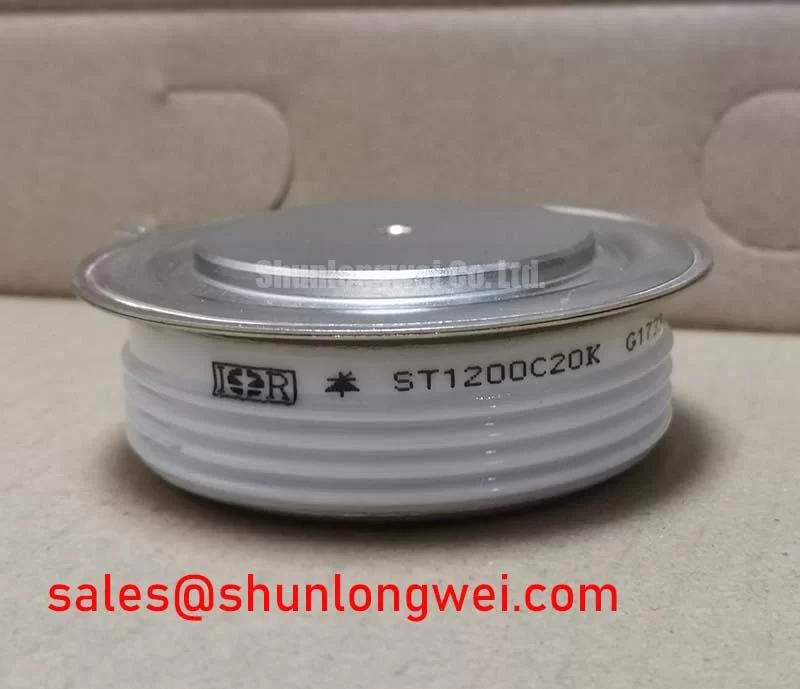

Engineered for Electrical Ruggedness
A defining characteristic of the ST1200C20K is its substantial surge current capability. The datasheet specifies a non-repetitive surge current (ITSM) of 23,100 Amps for a 10ms pulse. This high rating indicates the device’s ability to withstand significant fault currents without failing, a crucial parameter for protective circuits and applications with large inrush currents, such as motor soft-starters. The associated I²t value of 2.66 x 10⁶ A²s is essential data for fuse coordination, ensuring that protective devices will interrupt a fault before the thyristor is damaged.
Another key aspect is its thermal design. The press-pack construction allows for efficient, double-sided cooling. The datasheet provides a junction-to-case thermal resistance (Rth(j-c)) of just 0.011 °C/W for double-sided cooling. To explain this with an analogy, thermal resistance is like the narrowness of a pipe restricting water flow. A lower value, like the one found in the ST1200C20K, represents a very wide pipe, allowing heat to escape from the silicon chip with minimal resistance. This enables the device to handle a high average current of 1885A while maintaining a safe operating junction temperature. Proper implementation of this feature is key to maximizing system power density and reliability. Explore more about advanced thermal design and its impact.
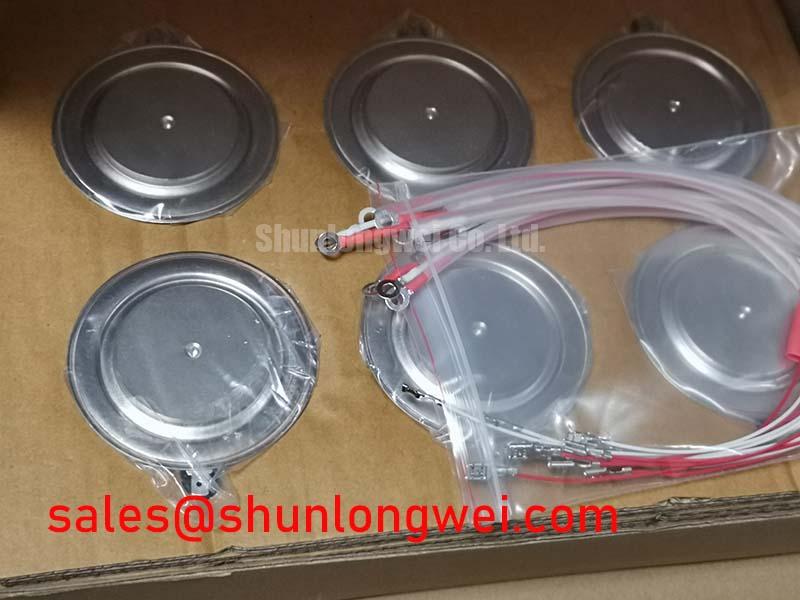
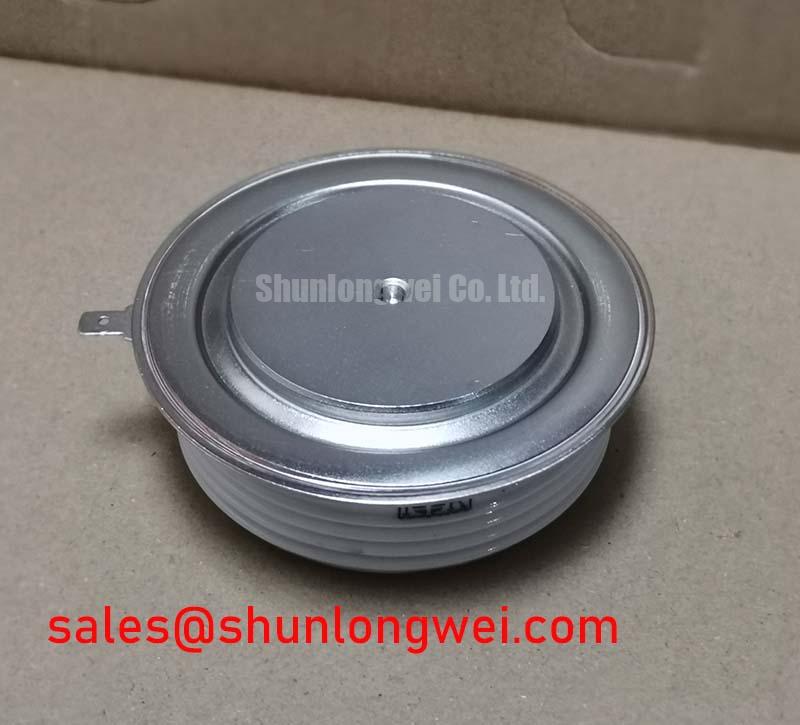
Optimized Application Scenarios
The ST1200C20K’s specifications make it a strong candidate for a range of high-power industrial systems.
- DC Motor Controls & Soft Starters: The high surge current rating (ITSM) allows it to safely manage the large inrush currents typical when starting large motors.
- Controlled DC Power Supplies: Its high blocking voltage of 2000V provides a significant safety margin for rectifying high-voltage AC lines.
- AC Controllers (e.g., Furnace Control): The high average current capability (IT(AV)) enables precise control of very high-power resistive or inductive loads.
- Welding Power Supplies: The device’s ability to handle repetitive current pulses and its robust mechanical design are well-suited for the demanding cycles of industrial welding.
This thyristor is best matched for applications requiring robust, high-current AC/DC control where surge survivability and efficient thermal management are primary design considerations.
Key Specifications of the ST1200C20K
| Absolute Maximum Ratings | |
|---|---|
| VDRM/VRRM, Repetitive Peak Voltage | 2000 V |
| IT(AV), Max Average On-State Current (@ Ths = 55°C) | 1885 A |
| ITSM, Max Peak Non-Repetitive Surge Current (10 ms, 50 Hz) | 23100 A |
| I²t for fusing (10 ms) | 2.66 x 10⁶ A²s |
| Operating Junction Temperature Range | -40 °C to 125 °C |
| Electrical & Thermal Characteristics | |
| VTM, On-State Voltage (@ 1500 A, TJ = 125 °C) | 1.31 V (Typical) |
| IGT, Gate Trigger Current (TJ = 25 °C) | 200 mA (Max) |
| Rth(j-c), Thermal Resistance (Junction to Case, Double-Sided Cooling) | 0.011 °C/W |
| F, Mounting Force | 18 kN to 24 kN |
Engineer’s FAQ
1. What is the required mounting force for the ST1200C20K and why is it critical?
The datasheet specifies a mounting force between 18 kN and 24 kN. Applying the correct force is essential for press-pack devices. Too little force results in high thermal and electrical resistance, leading to overheating. Too much force can physically damage the silicon die. Consistent and correct pressure ensures optimal performance and reliability.
2. How can I estimate power dissipation for heatsink selection?
Power dissipation is primarily from conduction losses. A simplified calculation uses the on-state voltage (VTM) and threshold voltage (VT(TO)) from the datasheet’s characteristic curves, along with the average current (IT(AV)) and RMS current (IT(RMS)) in your application. The formula is Pavg = (VT(TO) x IT(AV)) + (rt x IT(RMS)²). Refer to the datasheet curves for specific values at your operating temperature.
3. What makes this thyristor a good choice for high-current motor soft-starters?
Its high ITSM rating of 23,100A and I²t rating allow it to safely handle the repeated inrush current events that occur when starting large AC motors, preventing device failure during this high-stress phase of operation.
4. Is the center amplifying gate significant?
Yes, the center amplifying gate structure ensures a fast and uniform turn-on of the entire silicon area. This feature improves the device’s di/dt capability (rate of rise of current), making it more robust in applications with fast-switching AC waveforms and reducing switching losses.
The ST1200C20K provides a high-reliability foundation for power semiconductor systems that operate under severe electrical loads. Its combination of high current capacity, surge immunity, and a thermally efficient package enables the design of compact and durable high-power control equipment. For a deeper understanding of semiconductor reliability, consider reviewing analyses on topics like failure analysis in power modules.