STARPOWER GD300MLX65B3ST: A Technical Analysis for High-Efficiency Power Conversion
“`html
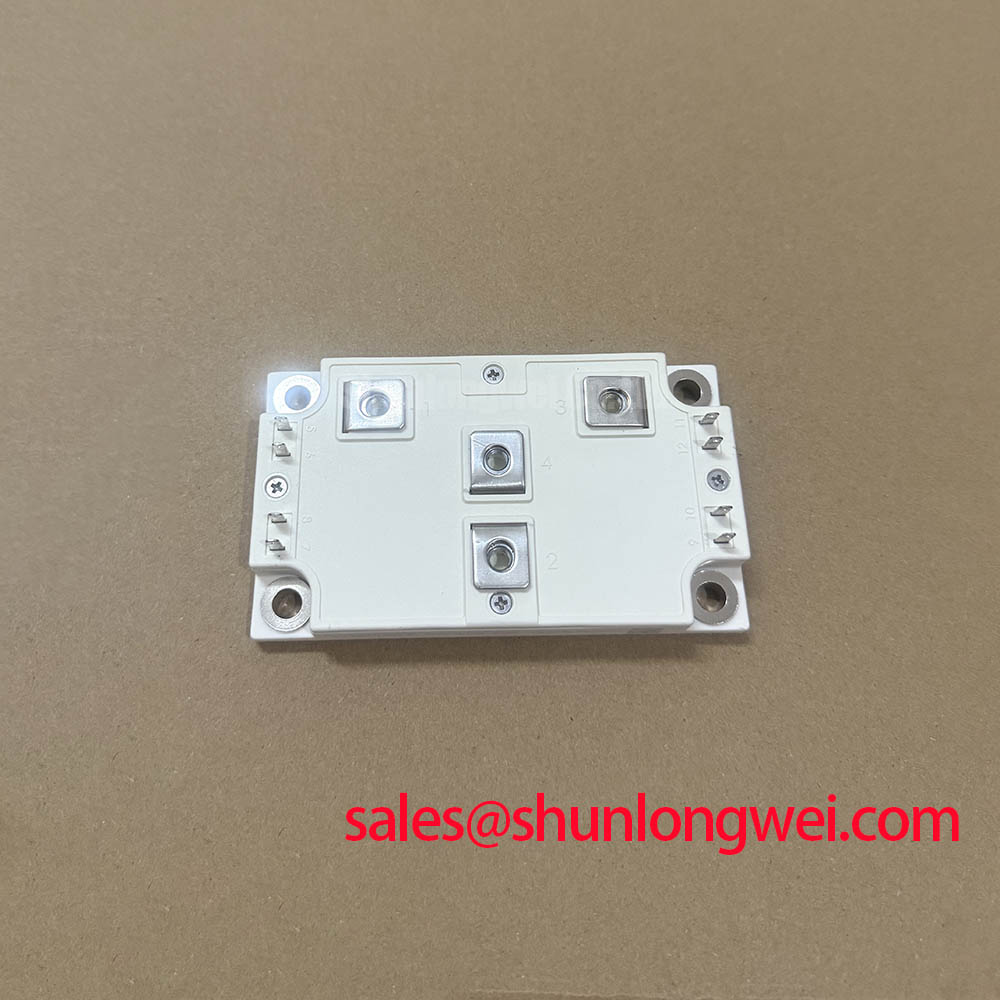
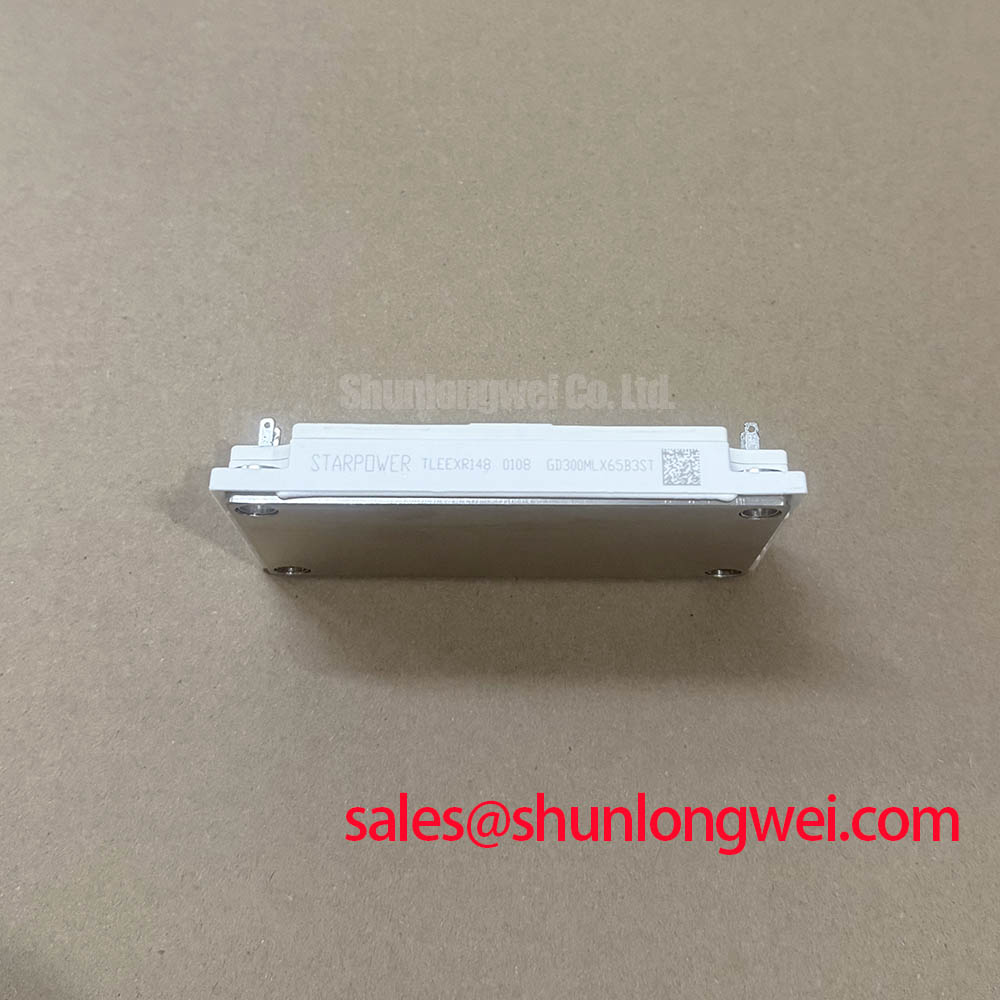
STARPOWER GD300MLX65B3ST 650V/300A 2-Pack IGBT Module
Introduction and Core Highlights
The STARPOWER GD300MLX65B3ST is a 650V/300A 2-pack IGBT module that provides a superior balance of low conduction and switching losses for high-frequency power systems. By leveraging advanced trench field-stop IGBT technology, this module delivers high efficiency and robust performance. This makes it a strong candidate for demanding applications like solar inverters and uninterruptible power supplies where minimizing power loss is a primary design objective.
- Core Specifications: 650V | 300A | VCE(sat) 1.70V (typ)
- Key Advantages: Reduced thermal load due to low power losses and enhanced system reliability from high short-circuit capability.
Download the Official GD300MLX65B3ST Datasheet (PDF)
Technical Analysis of Core Features
A critical parameter for power module efficiency is the collector-emitter saturation voltage, VCE(sat). The GD300MLX65B3ST specifies a typical VCE(sat) of 1.70V at its nominal current of 300A (Tj=25°C). This low value directly translates to lower conduction losses. One can think of VCE(sat) as a small, unavoidable voltage drop when the switch is on; a lower drop means less power is converted into waste heat. This reduces the burden on the cooling system and allows for higher power density in the final design.
Complementing the low conduction loss is the module’s switching performance. With a typical turn-off energy (Eoff) of 18.0 mJ at 150°C, the module is optimized for applications that operate at higher frequencies. Efficient switching minimizes the power lost during the transition between on and off states. Furthermore, the module’s reliability is reinforced by its short-circuit withstand time of 10µs. This provides a crucial window for the system’s gate drive and protection circuits to detect a fault condition and initiate a safe shutdown, preventing device failure.

Optimized Application Scenarios
The technical characteristics of the GD300MLX65B3ST make it a versatile component for several high-power applications:
- Solar Inverters: The low VCE(sat) and low Eoff contribute directly to higher energy conversion efficiency, maximizing the power output from photovoltaic arrays.
- Uninterruptible Power Supplies (UPS): A high continuous current rating of 300A and robust short-circuit tolerance ensure reliable operation during critical power backup scenarios.
- Industrial Motor Drives: The half-bridge configuration is ideal for building three-phase inverters, while its excellent thermal performance supports compact and efficient motor control designs.
- Welding Equipment: The module’s ability to handle high pulsed currents and its thermal stability are essential for delivering consistent and reliable welding arcs.
This module is an optimal match for systems requiring high power density and efficiency at switching frequencies up to 20 kHz.
Key Specification Parameters for GD300MLX65B3ST
| Absolute Maximum Ratings (Tj = 25°C) | |
|---|---|
| Collector-Emitter Voltage (VCES) | 650V |
| Continuous Collector Current (IC) @ Tc=100°C | 300A |
| Pulsed Collector Current (ICM) | 600A |
| Gate-Emitter Voltage (VGES) | ±20V |
| Short Circuit Withstand Time (tsc) | 10µs (VGE ≤ 15V, VCC ≤ 400V) |
| Electrical & Thermal Characteristics (Tj = 25°C unless specified) | |
| Collector-Emitter Saturation Voltage (VCE(sat)) (Typ. @ IC=300A) | 1.70V |
| Turn-off Energy (Eoff) (Typ. @ IC=300A, Tj=150°C) | 18.0 mJ |
| Diode Forward Voltage (VF) (Typ. @ IF=300A) | 1.75V |
| Thermal Resistance, Junction-to-Case (Rth(j-c)) per IGBT | 0.14 °C/W |
| Isolation Voltage (Viso) (AC, 1 min) | 3000V |
Engineer’s FAQ
- How does the GD300MLX65B3ST’s thermal resistance impact heatsink selection?
- The module specifies a low thermal resistance from junction to case (Rth(j-c)) of 0.14 °C/W per IGBT. This indicates efficient heat transfer from the silicon die to the module’s baseplate. For thermal design, this lower resistance value allows engineers to use smaller or more cost-effective heatsinks to maintain the junction temperature within safe operating limits, a key aspect of effective IGBT thermal design.
- What is the specified mounting torque, and why is it important?
- The datasheet specifies a mounting torque of 3.0 to 6.0 N·m for the M6 terminal screws. Adhering to this specification is critical. Insufficient torque can create gaps between the module and the heatsink, increasing thermal resistance and leading to overheating. Conversely, excessive torque can warp the baseplate, causing mechanical stress on the internal components and compromising long-term reliability.
- What is the practical benefit of the 10µs short-circuit withstand time?
- This rating signifies the module’s ruggedness. In the event of a fault like a motor phase-to-phase short, the IGBT can survive the high current stress for 10 microseconds. This provides a sufficient time budget for the external protection circuitry in the gate driver to detect the overcurrent condition and safely turn off the device, preventing module destruction and enhancing overall system safety.
- How is the integrated NTC thermistor used in a system?
- The integrated NTC thermistor provides an accurate, real-time temperature reading close to the IGBT chips. This analog feedback can be monitored by the system’s microcontroller. It enables the implementation of precise over-temperature protection (OTP), which can trigger alarms, reduce output power, or shut down the system if the module temperature exceeds safe limits, a key feature for ensuring IGBT module safety.
Enabling Efficient and Reliable Power Conversion
For engineers tasked with designing high-performance power conversion systems, the GD300MLX65B3ST offers a component choice grounded in verified performance data. Its thoughtful balance of low conduction losses, efficient switching characteristics, and robust protective features provides a solid foundation for building power electronics that are both efficient and durable. This allows design teams to meet stringent performance targets while ensuring system reliability in the field.
“`