Technical Review: The Sharp LQ4RB21 4.0″ Analog RGB Display Module
## Sharp LQ4RB21 4.0″ Color TFT-LCD Module Technical Review
The Sharp LQ4RB21 is a compact 4.0-inch analog RGB a-Si TFT-LCD module engineered for applications requiring direct video signal integration. Its primary value is the streamlined architecture, which accepts analog RGB inputs. This simplifies the hardware design for systems converting standard NTSC or PAL video signals, reducing the need for complex digital interface controllers.
* **Core Specifications**: 4.0-inch Diagonal | 384 x 234 Resolution | Analog RGB Signal Input
* **Key Advantages**: Simplifies integration with analog video sources, compact footprint for space-constrained equipment.
* **Intended Use**: Suited for legacy systems or new designs needing a small-format display for standard-definition video feeds.
Regrettably, an official manufacturer datasheet for the LQ4RB21 is not publicly available at this time. The technical details provided are aggregated from industry sources and should be used for preliminary evaluation.
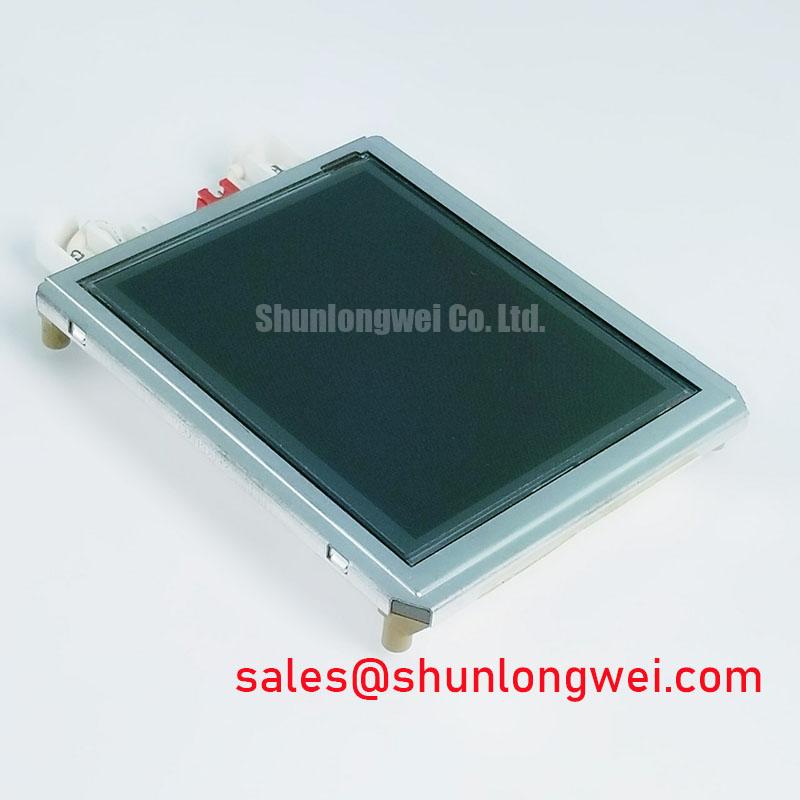

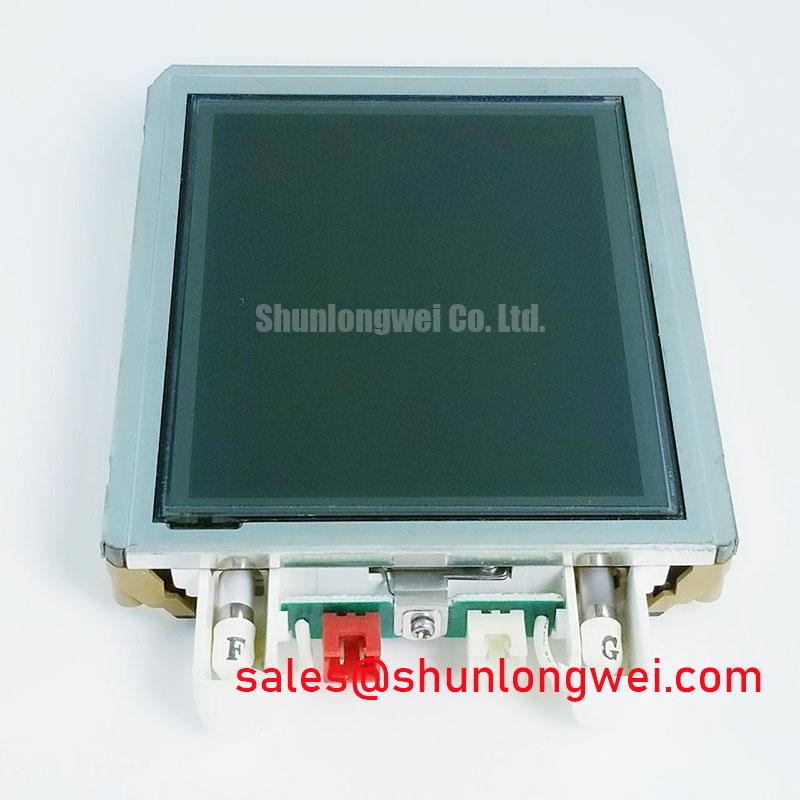
Technical Analysis for System Integration
The most significant engineering feature of the LQ4RB21 is its analog signal interface. In an era of complex digital standards like LVDS or MIPI, an analog input simplifies the front-end video processing circuit. This is particularly valuable when the primary video source is an analog camera or a composite video output from a decoder chip. By directly accepting red, green, blue, and composite sync signals, it allows engineers to bypass digital transmitters and receivers, potentially lowering both BOM cost and software development overhead.
Think of the analog RGB input as a direct, native language connection for video signals. A digital interface, in contrast, would be like speaking a different language that requires a complex real-time translator—the digital controller—before the display can understand the information. The LQ4RB21’s “native” analog capability makes it an efficient component for specific video applications. Furthermore, its 384×234 resolution, while modest by modern standards, is well-matched to the effective resolution of standard-definition NTSC signals, ensuring that the displayed image accurately represents the source quality without unnecessary scaling artifacts. Understanding the fundamentals of display technologies like TFT-LCD substrates can provide further context on its construction and performance characteristics.
Optimized Application Scenarios
This module’s specific feature set makes it a strong candidate for several targeted applications:
* **Portable Diagnostic Tools**: The small 4.0-inch form factor is ideal for handheld devices where a visual feed from a borescope or sensor is required.
* **Legacy System Maintenance**: As a replacement part for industrial or medical equipment originally designed with the LQ4RB21, it ensures continued operational life.
* **Analog Security Systems**: Suitable for small-footprint video monitors in analog CCTV systems or video intercoms that output a standard-definition signal.
* **Hobbyist and Prototyping Projects**: Provides a straightforward way for developers to add video display capabilities to projects involving analog video sources without deep expertise in digital display driving.
For compact systems requiring the direct display of decoded NTSC/PAL video, the LQ4RB21 offers a functionally efficient and cost-effective solution.
Key Specification Parameters
| General Specifications | |
|---|---|
| Manufacturer | Sharp |
| Part Number | LQ4RB21 |
| Panel Type | a-Si TFT-LCD |
| Size | 4.0 inches (10 cm) |
| Resolution | 384 x 234 pixels |
| Display Mode | TN, Normally White, Transmissive |
| Signal Interface | Analog RGB |
| Backlight | CCFL (Cold Cathode Fluorescent Lamp) |
Engineer FAQ
- What type of video signals can be connected to the LQ4RB21?
- The LQ4RB21 is designed for analog RGB signals. It typically requires separate horizontal sync, vertical sync, and RGB color signals, making it compatible with the output from many NTSC/PAL decoder ICs or other analog video processing systems.
- Are there specific mounting or handling precautions for this module?
- As with any TFT-LCD, it’s critical to handle the module by its metal bezel and avoid putting pressure on the glass surface. The flex cable for the signal connection is delicate and should be handled with care. Ensure that the mounting frame does not introduce torque or stress on the display chassis to prevent image uniformity issues, a topic explored in depth in our guide to De-Mura algorithms.
- Does the CCFL backlight in the LQ4RB21 require a separate high-voltage inverter?
- Yes, CCFL backlights operate on high AC voltage. A dedicated CCFL inverter board is required to convert the system’s low DC voltage to the necessary high voltage to power the backlight. This is a key difference compared to modern LED-backlit displays.
- How does an analog interface impact overall system power consumption?
- While the display panel and backlight themselves have defined power requirements, an analog interface can sometimes lead to a simpler, lower-power front-end circuit compared to a high-speed digital interface that might require power-hungry serializer/deserializer (SerDes) chips. For more on power components, see our resources on power semiconductors.
System Design Enablement
The LQ4RB21 offers a focused solution for a specific engineering challenge: displaying analog video in a compact form factor with minimal interface complexity. Its architecture provides a direct pathway from video source to screen, enabling designers to develop or maintain cost-effective and reliable portable and stationary video monitoring systems.