Toshiba MG200H1AL2: A Technical Analysis for High-Current Industrial Applications
Toshiba MG200H1AL2 IGBT Module Technical Analysis
High-Current Performance for Industrial Power Conversion
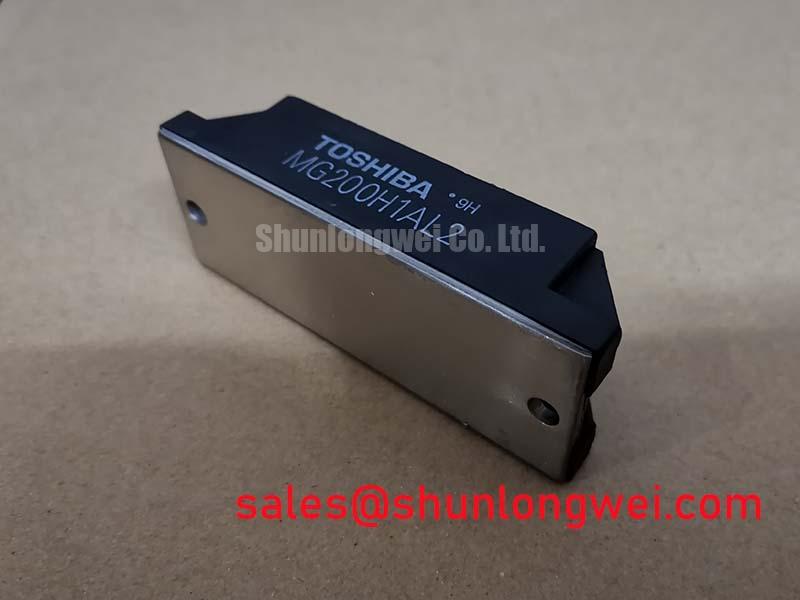
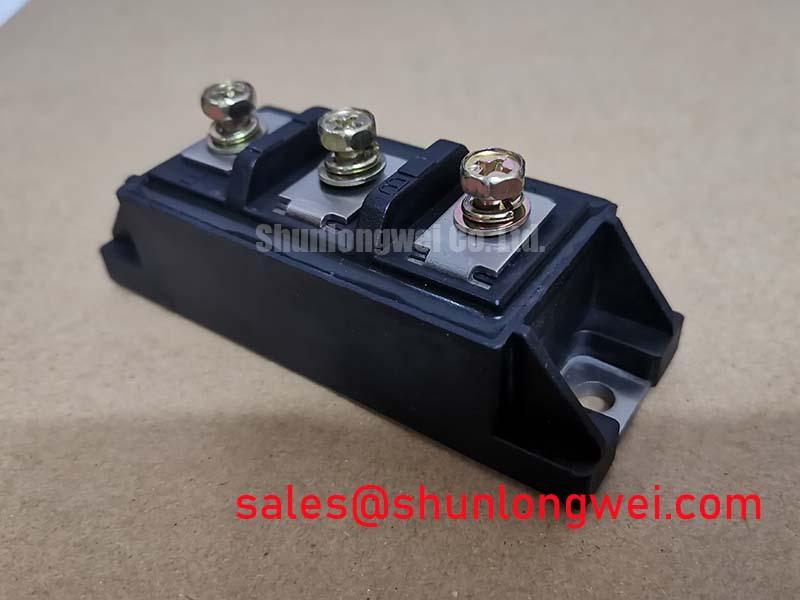
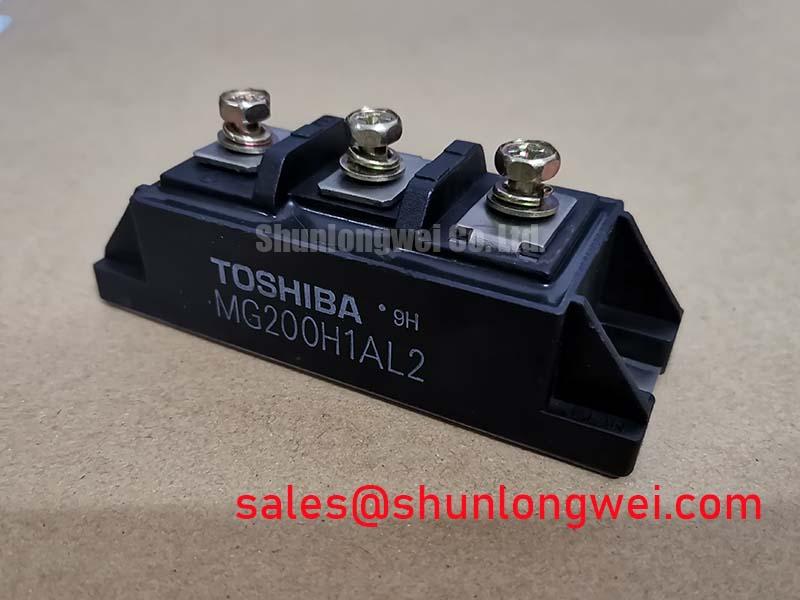
The Toshiba MG200H1AL2 is a dual IGBT module engineered for high-power switching applications. It provides a robust solution for systems requiring reliable current handling and straightforward thermal management. The module integrates two N-channel IGBTs in a single package, offering a collector-emitter voltage of 600V and a continuous collector current rating of 200A. This combination of specifications makes it a durable component for demanding industrial power stages.
- Core Specifications: 600V | 200A | 780W
- Key Advantages: High current density, proven package design for effective cooling.
- Primary Use Case: Efficiently controlling power in three-phase industrial inverters and motor drives.
For complete specifications and operational curves, refer to the official documentation. Download the Official MG200H1AL2 Datasheet (PDF)
Technical Analysis for System Integration
The defining characteristic of the MG200H1AL2 is its balance between conduction capability and thermal efficiency. The collector-emitter saturation voltage (VCE(sat)) is specified at a maximum of 2.7V at its nominal 200A rating. This parameter is critical as it directly influences conduction losses—a lower VCE(sat) means less power is wasted as heat during the on-state, improving overall system efficiency. This allows for smaller heatsinks or higher power throughput for a given cooling solution.
The thermal design of this module is built around effective heat extraction. Its thermal resistance from junction to case (Rth(j-c)) for the IGBT is 0.16°C/W. This value can be visualized as the width of a pipe; a lower thermal resistance signifies a wider “pipe,” allowing heat to flow more freely from the active silicon to the heatsink. Efficient thermal management is fundamental to preventing the device from exceeding its maximum junction temperature of 150°C, thereby ensuring operational reliability and service life.
Optimized Application Scenarios
The MG200H1AL2’s specifications make it well-suited for a range of medium-frequency, high-power applications:
- Industrial Motor Drives: Its 200A current rating provides the necessary power to control large AC induction motors in applications like conveyors, pumps, and manufacturing equipment.
- Uninterruptible Power Supplies (UPS): The module’s robust safe operating area (SOA) and reliability are essential for building inverter stages that ensure continuous, clean power.
- Welding Power Supplies: Capable of handling high current pulses (ICM = 400A), the MG200H1AL2 can manage the demanding load cycles found in industrial welding systems.
- General Purpose Inverters: The device serves as a solid foundation for power conversion systems where proven technology and durability are primary design considerations.
This module is an optimal match for systems requiring high current throughput at switching frequencies where conduction losses are a dominant factor.
Key Specification Parameters of the MG200H1AL2
| Absolute Maximum Ratings (Ta = 25°C) | |
|---|---|
| Collector-Emitter Voltage (VCES) | 600 V |
| Gate-Emitter Voltage (VGES) | ±20 V |
| Collector Current (IC) | 200 A |
| Collector Power Dissipation (PC) | 780 W |
| Operating Junction Temperature (Tj) | 150 °C |
| Electrical Characteristics (Ta = 25°C) | |
| Collector-Emitter Saturation Voltage (VCE(sat)) | 2.7 V (Max) @ IC = 200A |
| Gate-Emitter Leakage Current (IGES) | ±500 nA (Max) |
| Turn-On Time (ton) | 1.0 µs (Typ) |
| Turn-Off Time (toff) | 1.5 µs (Typ) |
| Diode Forward Voltage (VECF) | 2.5 V (Max) @ -IC = 200A |
Engineer’s Frequently Asked Questions
1. How does the thermal resistance (Rth(j-c)) of the MG200H1AL2 influence heatsink selection?
The Rth(j-c) of 0.16°C/W is a key parameter for thermal calculations. To select a heatsink, an engineer must calculate the total power dissipation based on conduction and switching losses in their specific application. This power value is then used with the Rth(j-c) and the desired maximum junction temperature to determine the required heatsink-to-ambient thermal resistance, ensuring Tj remains below the 150°C limit.
2. What are the typical gate drive requirements for this module?
The datasheet specifies characteristics with a gate voltage of +15V for turn-on and typically recommends a voltage between -5V and -10V for secure turn-off. A dedicated gate driver IC capable of providing several amps of peak current is necessary to charge and discharge the gate capacitance efficiently, ensuring the specified switching times are met. Proper gate drive design is crucial for performance and reliability.
3. What is the benefit of the module’s isolated baseplate?
The module features a baseplate that is electrically isolated from the semiconductor elements, rated for 2500V (AC, 1 minute). This simplifies assembly by allowing the module to be mounted directly to a common, grounded heatsink without the need for additional insulating pads, which can increase thermal resistance and assembly complexity.
4. Can this module be used in high-frequency applications?
With typical switching times around 1.0 µs (turn-on) and 1.5 µs (turn-off), the MG200H1AL2 is best suited for low to medium switching frequencies, typically up to 15-20 kHz. Beyond this range, switching losses would become excessive, leading to reduced efficiency and significant thermal challenges. For higher frequencies, newer IGBT technologies or SiC modules would be more appropriate.
Enabling Robust Power Systems
The MG200H1AL2 provides a foundation for durable and efficient power electronics. Its high current capacity and well-defined thermal characteristics empower engineers to develop reliable motor controls, UPS systems, and industrial inverters where long-term performance is a primary objective. The module’s standard industrial package ensures straightforward integration into existing and new designs.