Toshiba MG240V1US41 IGBT Module: Technical Analysis and 600V 240A High-Power Application Guide
Toshiba MG240V1US41 IGBT Module | 600V 240A High-Power Switch
M2: Introduction and Core Engineering Highlights
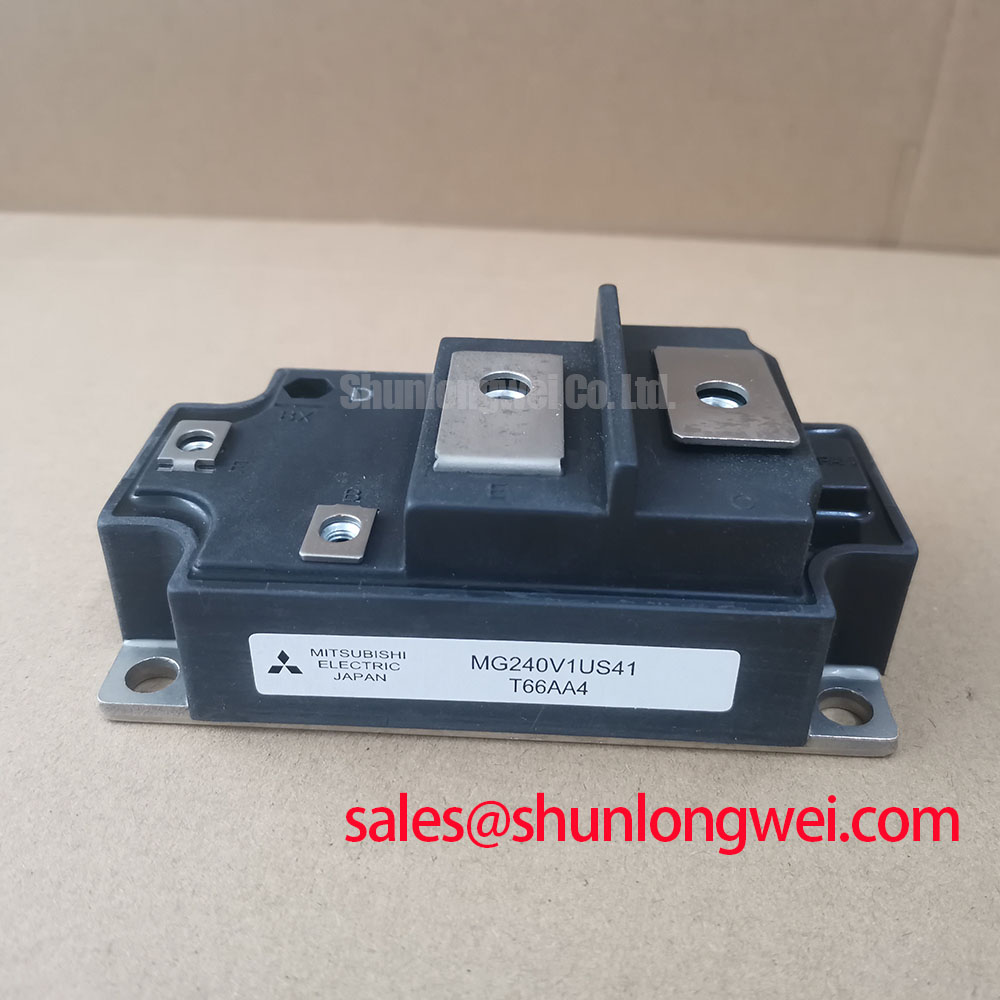
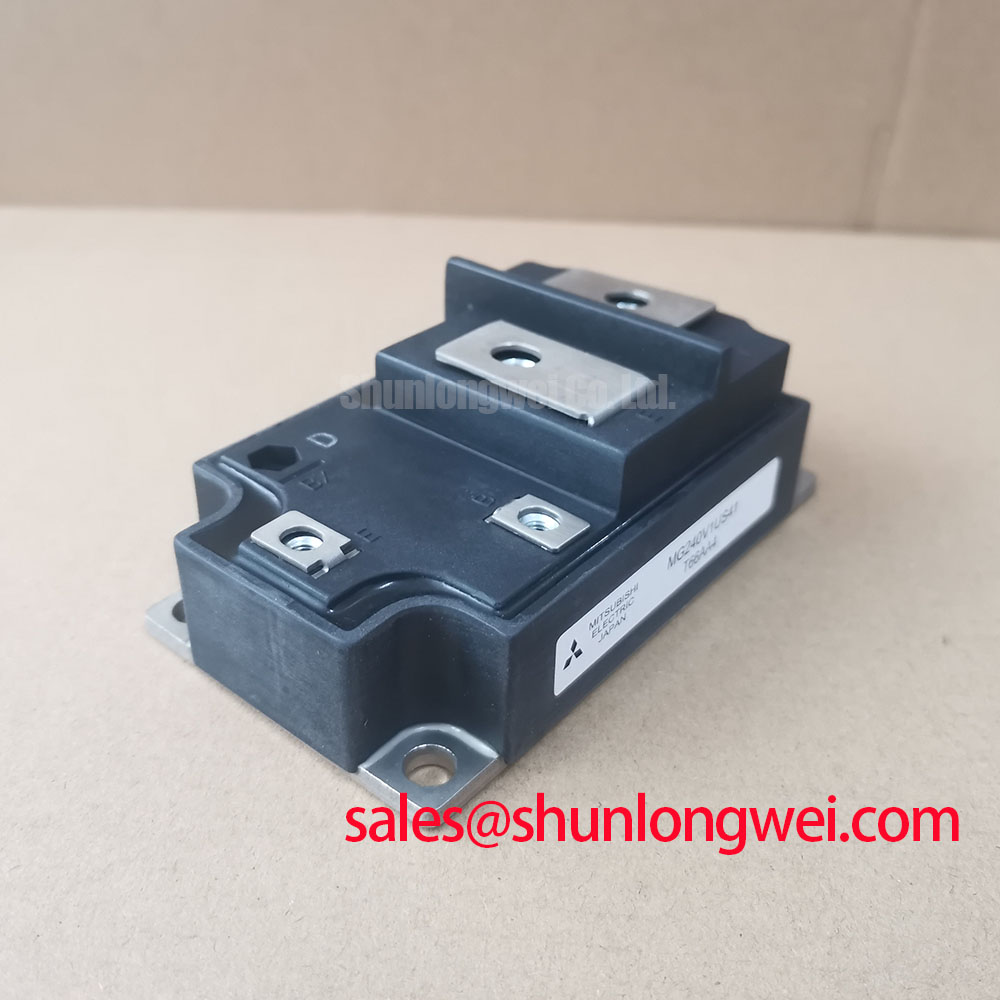
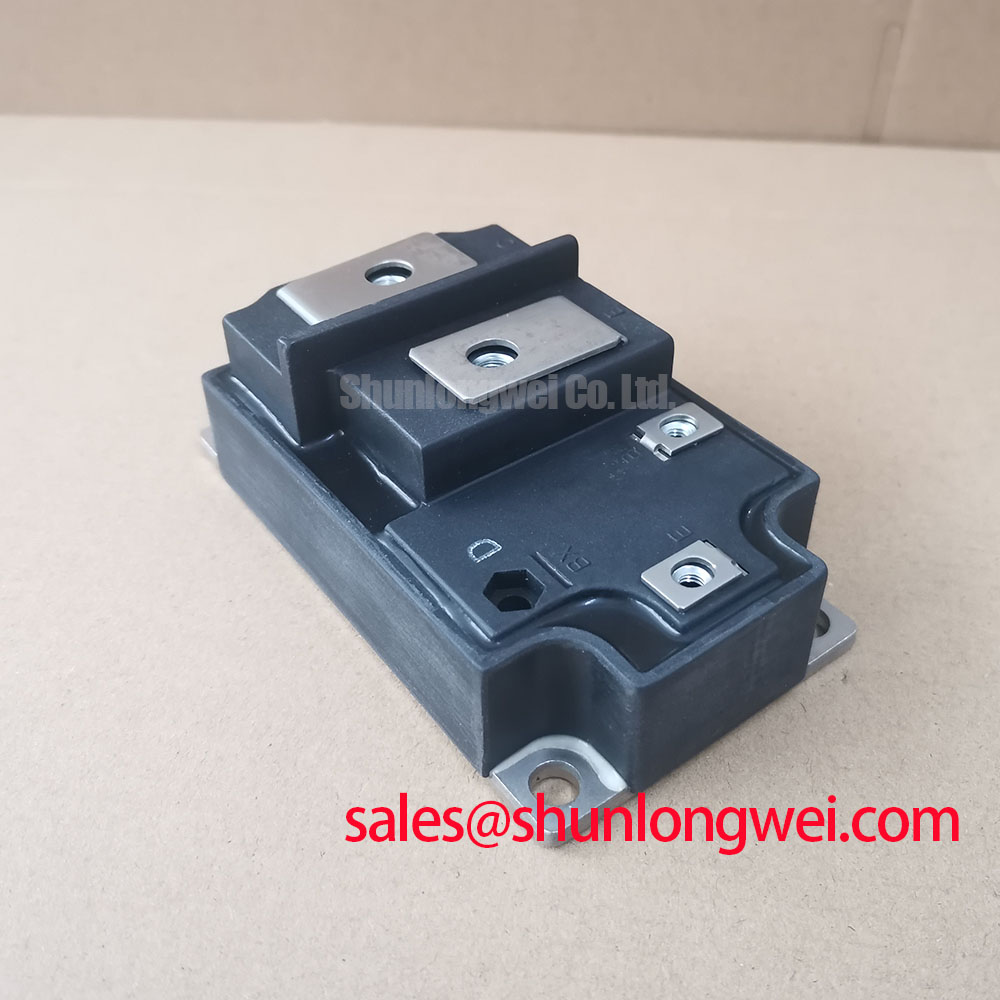
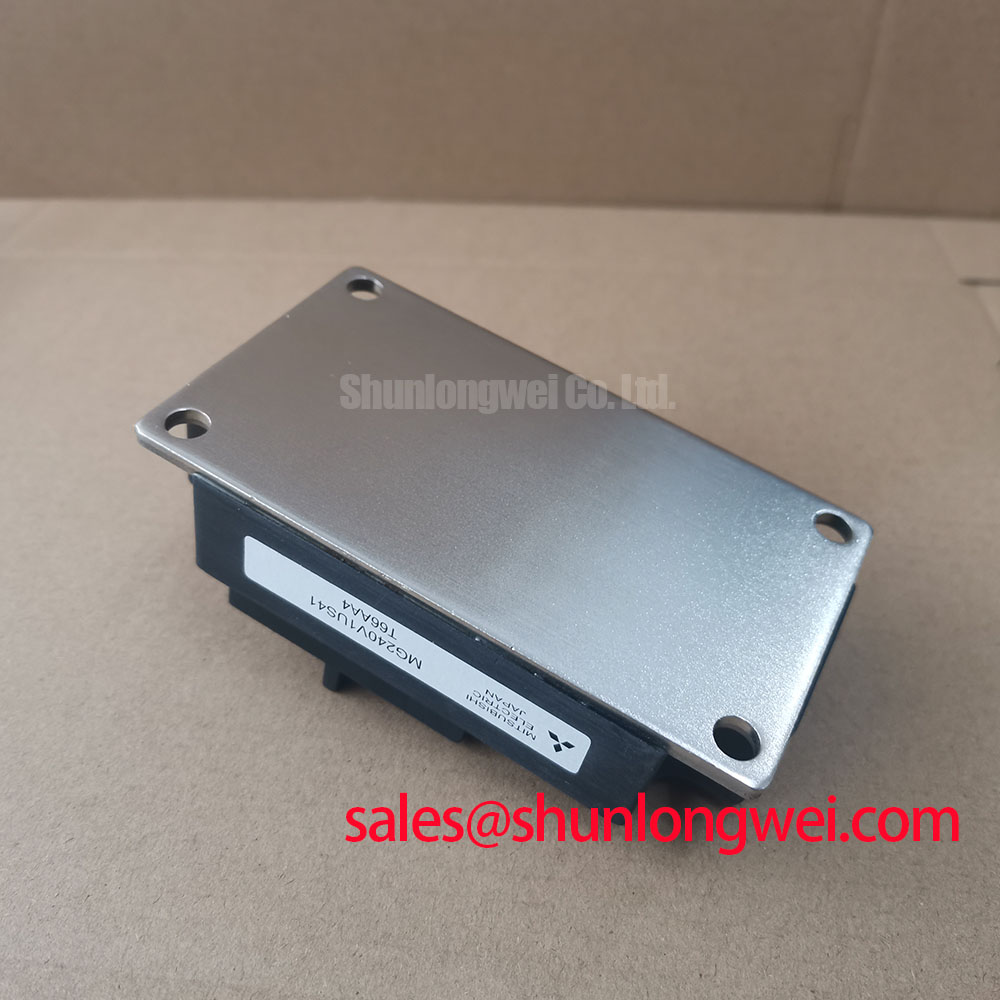
The MG240V1US41 is a high-performance N-channel IGBT module engineered by Toshiba for high-power switching applications. It bridges the gap between discrete components and massive industrial switchgear by providing a high collector current capacity of 240A within a standard modular footprint. This module is specifically optimized for power conversion stages where thermal density and switching efficiency are critical design constraints. A common question engineers ask is “how to maintain reliability in high-current inverter stages”; the MG240V1US41 addresses this through its robust isolated baseplate and balanced switching characteristics.
- Core Specifications: 600V Breakdown Voltage | 240A Continuous Collector Current | 2.7V typical VCE(sat).
- Key Advantages: Low thermal resistance for improved cooling efficiency and high-speed switching capabilities to reduce parasitic losses.
Download Official MG240V1US41 Datasheet (PDF)
M3: Technical Analysis of Power Efficiency
The engineering utility of the MG240V1US41 lies in its balance of conduction and switching performance. With a typical Collector-Emitter Saturation Voltage ($V_{CE(sat)}$) of 2.7V, the device minimizes the power dissipated as heat during the “on” state. To understand its importance, one can use an analogy: think of $V_{CE(sat)}$ as the “toll booth delay” on a highway. A lower value means electrons pass through the junction with less resistance, significantly reducing the “bottleneck” heat that often triggers IGBT failures in high-demand environments.
Furthermore, the module features a high-reliability isolated baseplate. This construction allows multiple MG240V1US41 modules to be mounted on a single heat sink without additional electrical isolation layers, which often introduce unwanted thermal resistance. By maintaining a low junction-to-case thermal resistance ($R_{th(j-c)}$), the device ensures that heat generated at the silicon level is efficiently transferred to the cooling system, allowing for higher power density in the final system design.
M4: Optimized Application Scenarios
The MG240V1US41 is a staple in the power semiconductors portfolio for several industrial sectors:
- Variable Frequency Drives (VFDs): Specifically suited for motor control in the 10kW to 50kW range due to its high continuous current handling.
- Uninterruptible Power Supplies (UPS): Ideal for the inverter stage where low conduction loss ensures maximum battery-to-load efficiency.
- High-Power Welding Equipment: The device’s 600V rating and high peak current capability handle the rapid load transients found in arc welding.
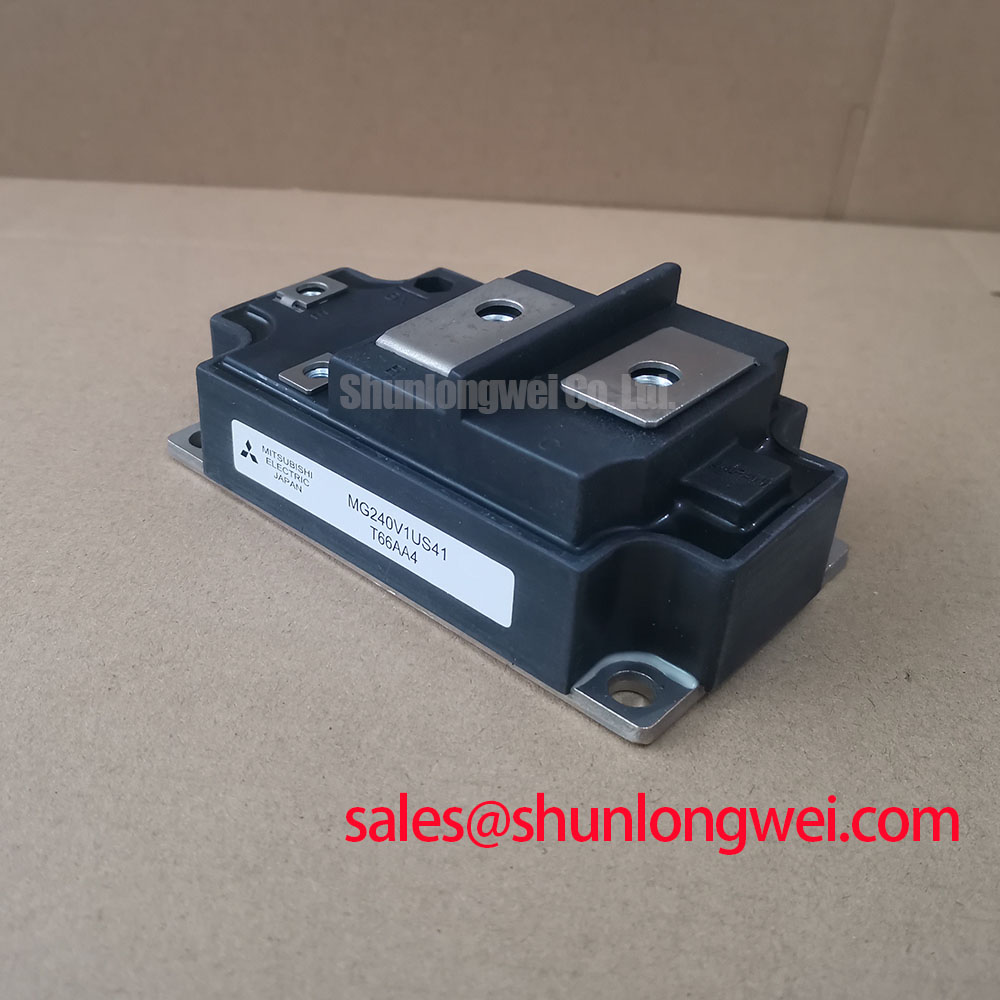
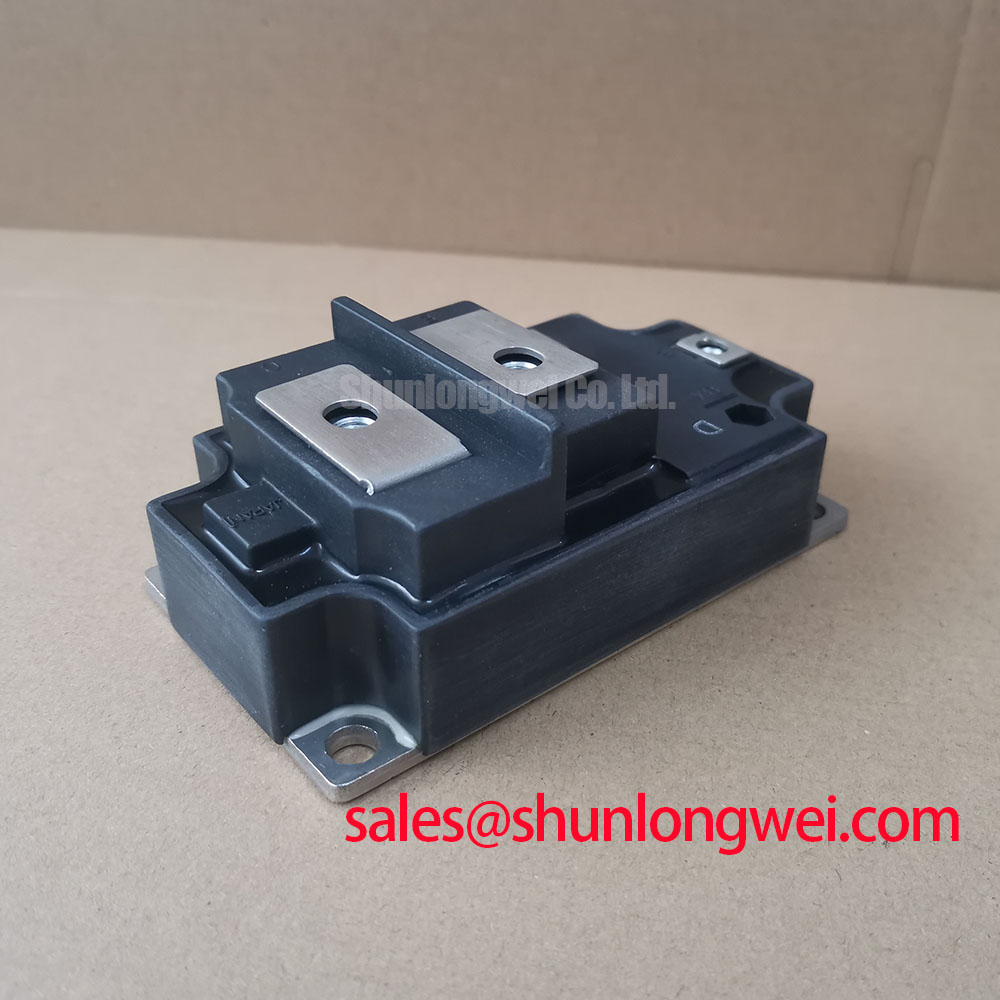
- Industrial Inverters: Its standardized welded module packaging facilitates easy replacement and parallel configuration.
The MG240V1US41 is the best match for high-current applications requiring 600V protection and efficient heat management in compact industrial enclosures.
M5: Key Specification Parameters
| Group | Parameter | Value (Typical/Max) |
|---|---|---|
| Absolute Maximum Ratings | Collector-Emitter Voltage ($V_{CES}$) | 600 V |
| Collector Current ($I_{C}$) | 240 A | |
| Collector Power Dissipation ($P_{C}$) | 1100 W (at $T_c=25^circ C$) | |
| Electrical Characteristics | $V_{CE(sat)}$ (Typical) | 2.7 V ($I_C=240A$) |
| Gate-Emitter Threshold ($V_{GE(off)}$) | 3.0 V to 6.0 V | |
| Input Capacitance ($C_{ies}$) | 24000 pF | |
| Isolation Characteristics | Isolation Voltage ($V_{Isol}$) | 2500 V (AC, 1 min) |
M6: Engineer FAQ
What is the recommended gate voltage for switching the MG240V1US41?
Based on the datasheet, the gate-emitter threshold voltage is between 3.0V and 6.0V. For reliable saturation and high-speed operation, a standard gate drive voltage of +15V is typically utilized, while -5V to -15V can be applied for robust turn-off in high-noise environments.
Does this module require a snubber circuit?
In high-current switching, parasitic inductance can cause significant voltage spikes during turn-off. While the MG240V1US41 is rugged, using a snubber circuit is recommended to clamp these spikes and keep the device within its Safe Operating Area (SOA).
What is the isolation rating between the terminals and the baseplate?
The module is rated for an isolation voltage of 2500V AC for one minute. This allows for safe mounting directly onto grounded heat sinks in industrial power systems.
M7: Final Summary
The MG240V1US41 stands as a dependable building block for engineers developing high-power 600V inverter stages. By offering a high collector current of 240A combined with efficient thermal interfacing via its isolated baseplate, this Toshiba module provides the technical foundation needed for robust motor drives and power supplies. Its balanced electrical characteristics empower design teams to achieve high efficiency while maintaining long-term reliability in demanding industrial environments.