Mitsubishi CM150TL-24NF: A Technical Review of a Robust 1200V/150A IGBT Module
Mitsubishi CM150TL-24NF 1200V 150A IGBT Module
Introduction and Core Highlights
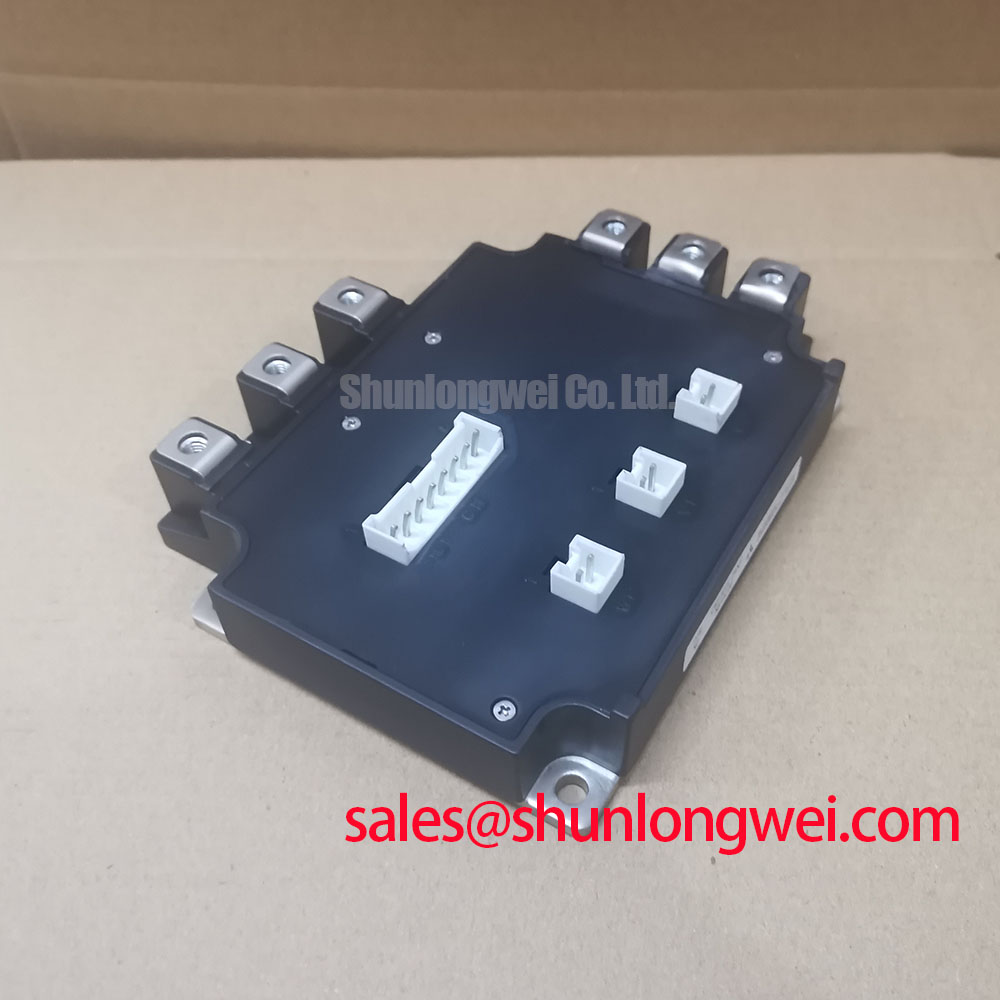
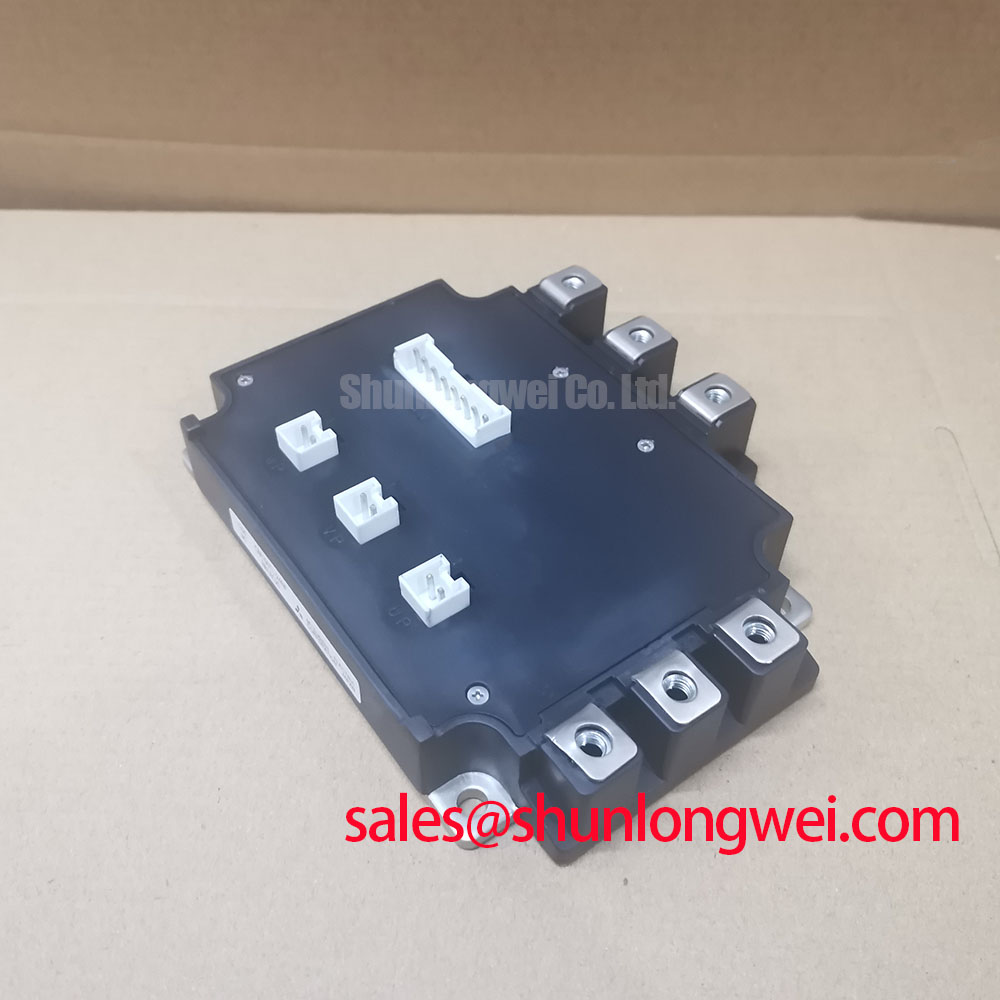
The Mitsubishi CM150TL-24NF is a high-power NF-Series IGBT module engineered for robust performance and high reliability in demanding switching applications. Its unique value proposition lies in its substantial short-circuit withstand time, which provides a critical layer of protection for high-power systems. This module is built for applications where operational durability and fault tolerance are primary design considerations, such as in industrial motor control systems where load conditions can be unpredictable.
- Core Specifications: 1200V | 150A | 10µs Short-Circuit Withstand Time
- Key Advantages: Enhanced system protection under fault conditions, efficient thermal dissipation through an isolated baseplate.
Download Official Datasheet (PDF)

Technical Analysis: Ruggedness and Thermal Stability
A defining characteristic of the CM150TL-24NF is its short-circuit withstand time (t_sc) of 10 microseconds at Tj=125°C. This parameter specifies the maximum duration the module can endure a direct short circuit before irreversible damage occurs. This 10µs window is a critical safety feature, providing sufficient time for the system’s protection circuitry to detect the fault and initiate a safe shutdown. You can think of this withstand time as a vehicle’s airbag deployment window; it is a brief but crucial interval that mitigates catastrophic failure, protecting both the power module and the larger system from cascading damage.
Effective thermal management is fundamental to the reliability of any high-power module. The CM150TL-24NF specifies a maximum thermal resistance from junction to case (Rth(j-c)) of 0.14°C/W for the IGBT. This value is a direct measure of how efficiently heat can be transferred from the active silicon die to the module’s baseplate. To use an analogy, thermal resistance is like the narrowness of a water pipe. A lower Rth(j-c) value signifies a wider “pipe,” allowing heat to flow away more freely. This efficient heat evacuation is essential for maintaining the junction temperature within safe operating limits during sustained high-current operation, directly contributing to the device’s operational longevity. For further reading on thermal design, refer to the practical guide to the Zth curve.
Optimized Application Scenarios
The technical specifications of the CM150TL-24NF make it a strong candidate for several high-power industrial applications:
- General Purpose Inverters: The 1200V collector-emitter voltage rating provides a substantial safety margin for systems operating on 480V and 575V AC lines.
- Industrial Motor Drives: Its 150A current rating and robust short-circuit protection are ideal for controlling AC induction motors, which can present demanding and unpredictable loads.
- Welding Power Supplies: These systems inherently involve high-current pulses and the risk of short circuits. The module’s specified ruggedness is a direct benefit in these environments.
- Uninterruptible Power Supplies (UPS): System reliability is paramount in UPS applications. The module’s durable design contributes to overall system uptime and fault tolerance.
Its combination of high voltage rating, current handling, and exceptional fault tolerance makes it a prime candidate for power converters requiring high reliability.
Key Specification Parameters
| Absolute Maximum Ratings (Tj = 25°C unless otherwise noted) | |
|---|---|
| Collector-Emitter Voltage (VCES) | 1200V |
| Collector Current (IC) | 150A |
| Maximum Power Dissipation (Pc) | 830W |
| Electrical Characteristics | |
| Collector-Emitter Saturation Voltage (VCE(sat)) (Typ. @ IC=150A) | 2.2V |
| Gate-Emitter Threshold Voltage (VGE(th)) | 5.0 ~ 8.0V |
| Thermal and Mechanical Characteristics | |
| Thermal Resistance (Rth(j-c)) IGBT | 0.14 °C/W |
| Isolation Voltage (Viso) (AC, 1 min.) | 2500V |
Engineer FAQ
- What is the primary benefit of the 10µs short-circuit withstand time (tsc) for the CM150TL-24NF?
- The 10µs tsc is a critical reliability feature. It guarantees the module can survive a direct short circuit for that duration, allowing the gate drive’s protection circuit enough time to detect the fault and safely turn off the IGBT. This prevents immediate device failure and protects the overall system. For more on this topic, see this guide on preventing IGBT latch-up.
- What is the recommended mounting torque for this module?
- To ensure proper thermal contact and avoid mechanical stress, the datasheet specifies a mounting torque for the M6 terminal screws of 3.5 to 4.5 N·m and for the M6 mounting screws of 3.5 to 4.5 N·m. Adhering to these values is crucial for reliable thermal performance.
- Does the gate drive design require a negative turn-off voltage?
- The datasheet specifies the module’s characteristics using a 0V turn-off gate voltage. However, in applications with high dV/dt or significant stray inductance, applying a negative gate voltage (e.g., -5V to -15V) during turn-off is a common practice. This increases noise immunity and helps prevent parasitic turn-on. A robust gate drive design is key to performance.
Concluding Statement
The Mitsubishi CM150TL-24NF offers a durable and reliable solution for high-power conversion systems. Its strong short-circuit handling capability, combined with solid thermal performance, provides engineers with the foundation to build resilient and long-lasting industrial equipment capable of withstanding severe operational conditions.