Toshiba TLX-1741-C3B 240×64 Monochrome Graphic LCD Module: Technical Specifications and Applications
Toshiba TLX-1741-C3B 240×64 Monochrome Graphic LCD Module
Introduction and Core Product Highlights
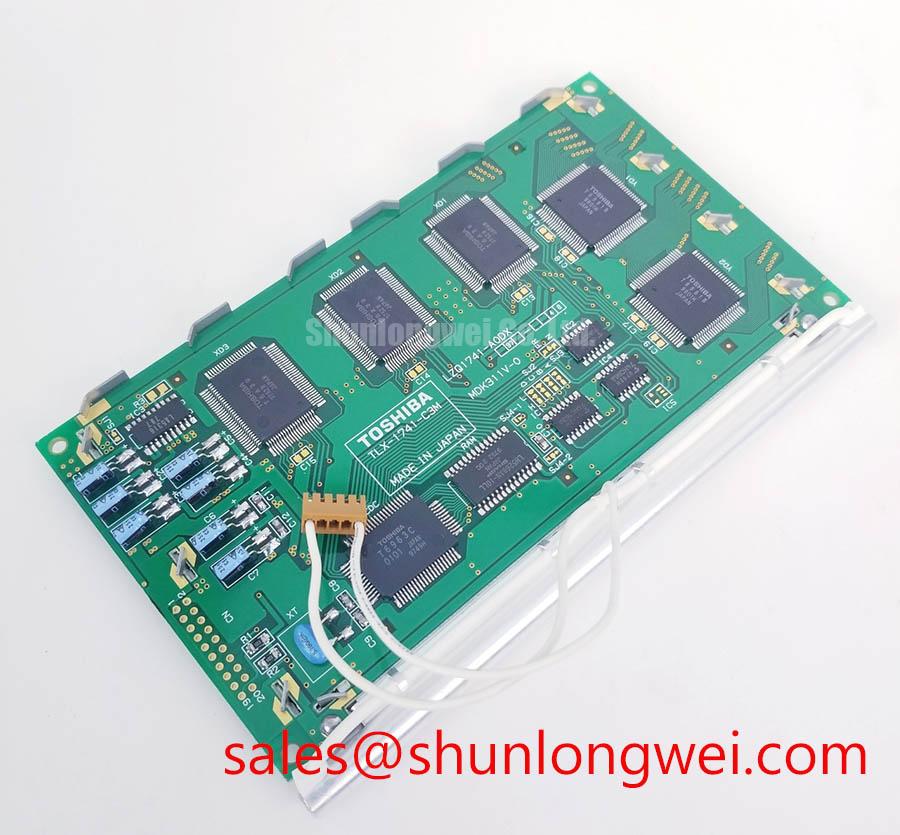
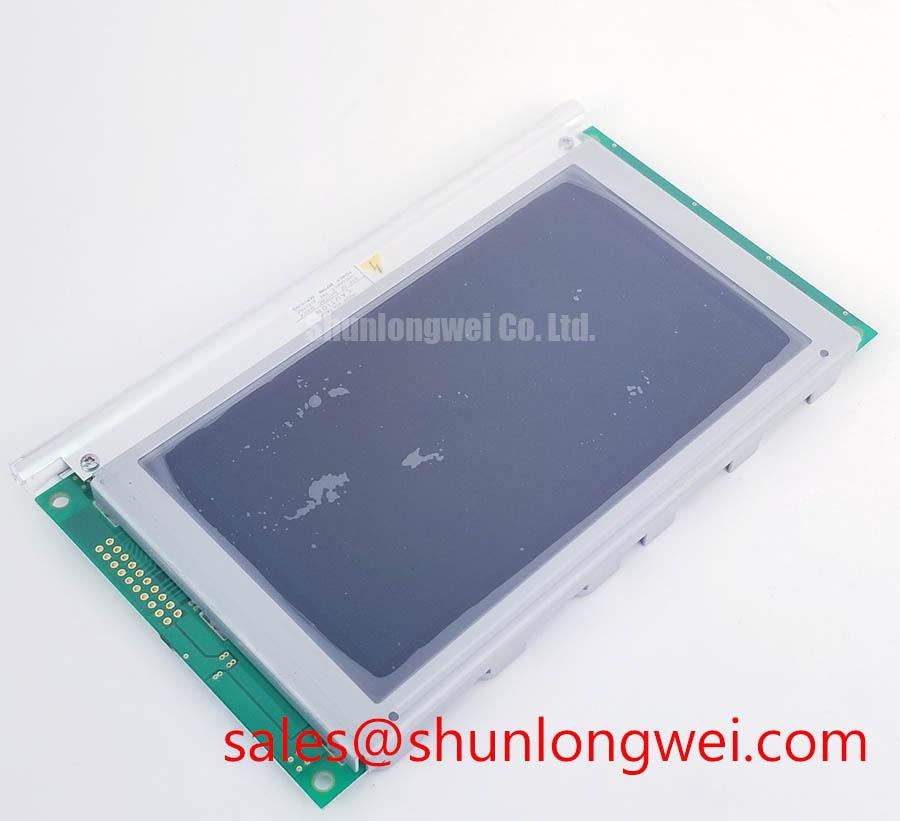
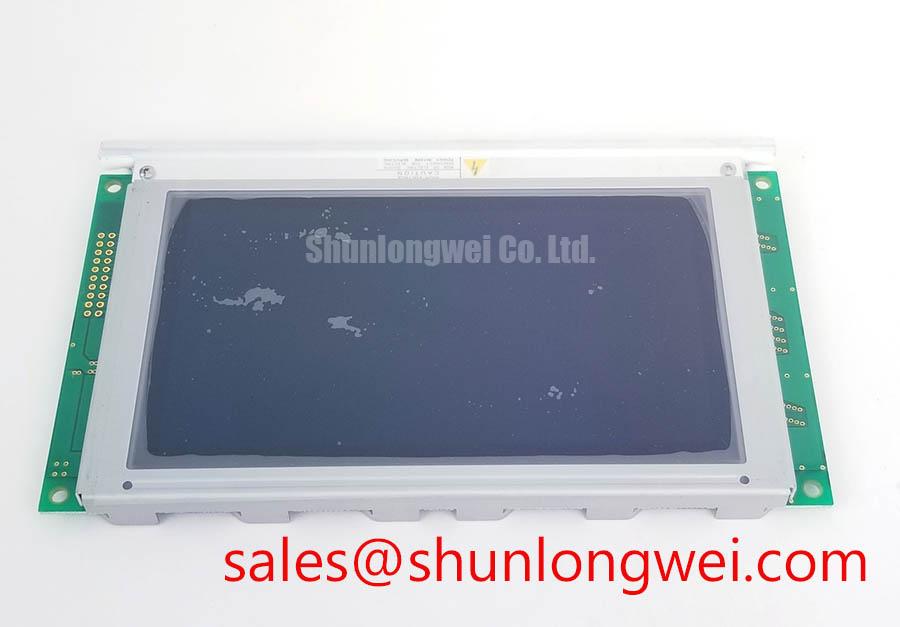
The Toshiba TLX-1741-C3B is an industrial-grade 240×64 monochrome graphic LCD module. It is engineered to provide reliable visualization under demanding factory conditions. By hosting a built-in T6963C display controller, the module simplifies host system architecture by offloading constant pixel-refresh tasks from the main processor.
- Core Specifications: 240 x 64 Dots | Built-in T6963C Controller | 8-Bit Parallel Interface
- Engineering Advantages: Lower host microcontroller overhead and straightforward bus integration.
- Thermal Contrast Adjustment: The negative voltage input allows designers to adjust driving voltage to maintain legibility over changing operational temperatures.
Download the official datasheet (PDF) or browse related modules
Technical Analysis of the Control and Drive Architecture
The primary value of the TLX-1741-C3B lies in its autonomous control architecture. Since the T6963C controller chip is integrated directly onto the module PCB, the display manages its own frame buffer memory. This configuration mitigates the need for continuous high-speed data transmission from the host processor. Consequently, developers can utilize lower-frequency microcontrollers without risking display flicker or system latency, which is essential for legacy systems.
For consistent optical performance, the liquid crystal driving voltage (VDD – V0) requires careful calibration. You can think of this driving voltage like the tuning peg of a string instrument. If the voltage is too low, the pixels lack contrast and fade; if it is too high, ghosting occurs and distorts the active graphics. Operating at a nominal 5V supply, the module requires a negative supply voltage (VEE) to generate the necessary 10V to 15V contrast differential to ensure legibility.
Additionally, the 8-bit parallel interface provides high noise immunity in electromagnetically noisy environments. The physical spacing of the trace routes on the PCB backplane prevents signal degradation. If you are upgrading older hardware platforms, you can also read about the similar TLX-1741-C3M module, which shares comparable physical dimensions but has minor electrical layout differences.
Optimized Application Scenarios
- Industrial Control Terminals: The 240×64 dot matrix layout accommodates up to 8 lines of text or basic status diagrams for factory human-machine interfaces.
- Marine Monitoring Panels: Utilizing STN transflective properties, the display remains readable under high ambient light when paired with an external light source.
- Medical Diagnostic Equipment: Clear character definitions support numerical readouts where distraction-free, high-contrast monochrome rendering is essential.
- Power Distribution Units: Low power consumption on the logic side allows the display to run continuously on backup battery systems during power failures.
Best-fit statement: Ideally suited for legacy HMI retrofits requiring low-overhead parallel bus control and reliable monochrome character rendering in high-EMI industrial environments.
Key Specifications Parameter Table
| Parameter Class | Specification Item | Value / Condition |
|---|---|---|
| Absolute Maximum Ratings | Supply Voltage (VDD – VSS) | 0V to 7.0V |
| LC Drive Voltage (VDD – VEE) | 0V to 22.0V | |
| Operating Temperature Range | 0°C to +50°C | |
| Electrical Characteristics | Logic Input Voltage (High / Low) | Min 2.2V / Max 0.8V |
| LCD Driving Voltage (VDD – V0) | Typ. 12.5V (at 25°C) | |
| Logic Current Supply (IDD) | Max 12.0 mA | |
| Mechanical Specifications | Resolution | 240 x 64 Dots |
| Outline Dimensions | 180.0 mm x 65.0 mm x 12.0 mm | |
| Display Controller | Toshiba T6963C (or compatible) |
Engineer FAQ
Q1: How is the contrast of the TLX-1741-C3B module adjusted dynamically?
A1: Contrast is adjusted by varying the voltage at the V0 pin. Typically, a potentiometer or a DAC circuit is connected between VDD and the negative supply voltage VEE to regulate the VDD – V0 differential dynamically as operating temperatures shift.
Q2: What is the challenge with CCFL backlighting in cold-start environments?
A2: CCFL backlights require a high strike voltage to ignite in cold environments. Operating near 0°C may lead to reduced initial brightness or slow stabilization times. Designers must ensure the inverter circuit outputs sufficient starting voltage without introducing EMI. For dimming control strategies, you can refer to our guide on industrial LCD dimming.
Q3: Can the TLX-1741-C3B interface directly with a 3.3V microcontroller?
A3: The logic of the module operates at 5V. Direct connection to a 3.3V MCU requires level shifters on the parallel data lines (D0-D7) and control lines to prevent bus communication errors and ensure proper high-level input thresholds (VIH ≥ 2.2V).
Q4: Where can I find further resources on troubleshooting noise issues in graphic LCD displays?
A4: For issues relating to signal noise and layout optimization on display buses, engineers can reference the guidelines outlined in our technical analysis on LCD core technology.
Closing Statement
The TLX-1741-C3B stands as a durable solution for legacy industrial automation displays. By integrating the T6963C controller directly onto an 8-bit parallel bus structure, this module allows engineers to maintain system longevity and robust performance without undergoing costly, ground-up redesigns.