S2E12 Bridge Rectifier: High Surge Capability for Robust Power Conversion
S2E12 Bridge Rectifier | 800V 2A Single-Phase Module
Introduction and Core Highlights
The S2E12 is a single-phase bridge rectifier offering a robust solution for AC-to-DC conversion, centered on high thermal performance and surge current reliability. Housed in a compact, transfer-molded plastic case, this component integrates a glass-passivated diode structure that ensures dependable operation in various power supply applications. It addresses the need for efficient rectification in space-constrained designs without compromising on electrical ruggedness. The device’s construction is also ideal for mounting on printed circuit boards, simplifying assembly and thermal management.
- Core Specifications: 800V VRRM | 2.0A IF(AV) | 60A IFSM
- Key Engineering Value: High forward surge capability enhances system survivability during inrush events. The glass-passivated junction provides stable high-temperature performance.
Download a Representative Datasheet (PDF)
Technical Analysis of Performance Characteristics
A component’s value is defined by the engineering problems it solves. For the S2E12, two parameters documented in its electrical characteristics are particularly significant: the high forward surge current (IFSM) rating and the reverse current (IR) at rated blocking voltage.
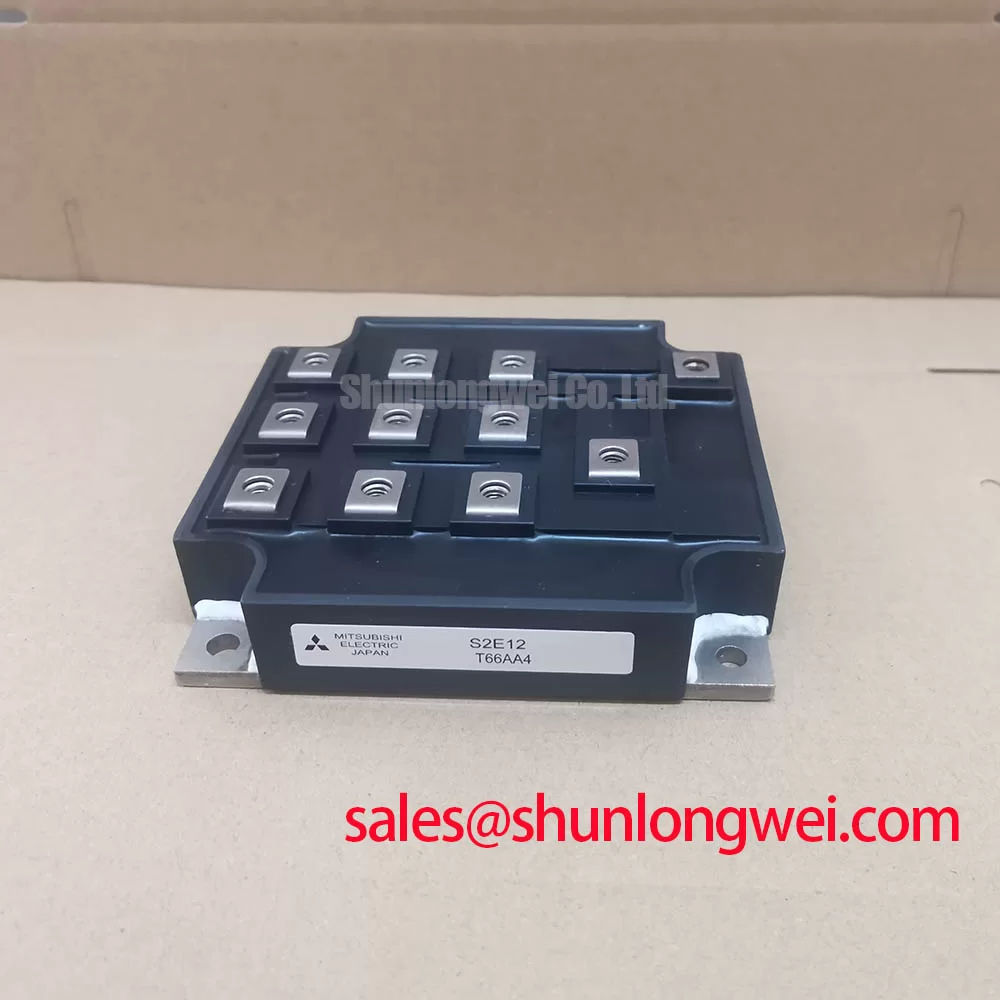

The 60A IFSM rating is a critical indicator of the device’s robustness. This value specifies the maximum non-repetitive peak current the rectifier can withstand for a short duration (e.g., a single 8.3ms sine-wave). This capability is essential for handling the large inrush currents that occur when charging capacitive filters in power system designs. A high IFSM ensures the rectifier does not fail during startup, a common stress point in many electronic systems.
Furthermore, the low reverse current at high temperatures (typically specified at TJ = 100°C or 125°C) is a direct result of the glass-passivated die construction. Think of reverse current as a tiny leak in a closed valve. The glass passivation acts as a superior sealant, minimizing this leakage even when the device is hot. This translates to lower standby power loss and improved overall efficiency, particularly in applications that operate in elevated ambient temperatures.


Optimized Application Scenarios
The S2E12 rectifier is well-suited for a range of applications where reliable and efficient full-wave rectification is required. Its specifications align with the demands of both commercial and industrial systems.
- Consumer Electronics & Home Appliances: Ideal for the input stage of power adapters and internal power supplies, where its 800V rating provides ample margin for AC line voltage fluctuations.
- Industrial Controls & Automation: The device’s robust surge handling makes it a reliable choice for rectifying power for PLCs, sensors, and small motor drives.
- LED Lighting Drivers: Its compact form factor and efficiency contribute to smaller, more reliable driver circuits.
- Battery Charging Systems: Provides the fundamental AC-to-DC conversion needed in low-to-moderate power chargers for various battery chemistries.
For designs requiring up to 2A of continuous output with high reliability against line surges, the S2E12 is an excellent technical fit.
Key Specifications of the S2E12
| Absolute Maximum Ratings (TA = 25°C unless otherwise noted) | |
|---|---|
| Repetitive Peak Reverse Voltage (VRRM) | 800 V |
| Average Rectified Forward Current (IF(AV)) | 2.0 A |
| Peak Forward Surge Current (IFSM) | 60 A |
| Operating Junction Temperature Range (TJ) | -55 to +150 °C |
| Electrical & Thermal Characteristics | |
| Maximum Forward Voltage per Diode (VF) @ 1.0 A | 1.0 V |
| Maximum DC Reverse Current @ Rated VR (IR) | 5.0 µA |
| Typical Thermal Resistance, Junction-to-Ambient (RθJA) | 40 °C/W |
Engineer’s FAQ
- What is the primary benefit of a glass-passivated junction in a bridge rectifier like the S2E12?
- Glass passivation creates a hermetic seal over the silicon die’s junction. This technique results in a very stable and reliable device with low reverse leakage current, especially at high operating temperatures. It protects the junction from contaminants, enhancing long-term performance.
- How should I approach thermal design when using the S2E12?
- For optimal heat dissipation, the rectifier should be mounted on a PCB with sufficient copper area connected to its leads. The datasheet specifies a thermal resistance from junction to ambient (RθJA). Use this value to calculate the junction temperature under your load conditions (Pdissipated ≈ 2 * VF * IF(AV)) to ensure it remains well below the 150°C maximum limit.
- What does the 60A IFSM rating signify for my circuit?
- The 60A Peak Forward Surge Current rating indicates the device’s ability to withstand a single, large, non-repetitive current pulse for 8.3 milliseconds. This is critical for reliability in applications with large input capacitors, which draw a high inrush current at power-on. This robustness prevents premature failure of the input power semiconductor stage.
Concluding Statement
The S2E12 bridge rectifier delivers a dependable AC-to-DC conversion foundation for engineers building compact and reliable power systems. Its high surge current immunity and stable high-temperature operation provide the necessary resilience for demanding industrial and consumer applications.