LTM170EU-L01: A Technical Analysis for Industrial System Integration
LTM170EU-L01: 17.0-inch SXGA TFT-LCD Module
Introduction to the LTM170EU-L01 Display Module
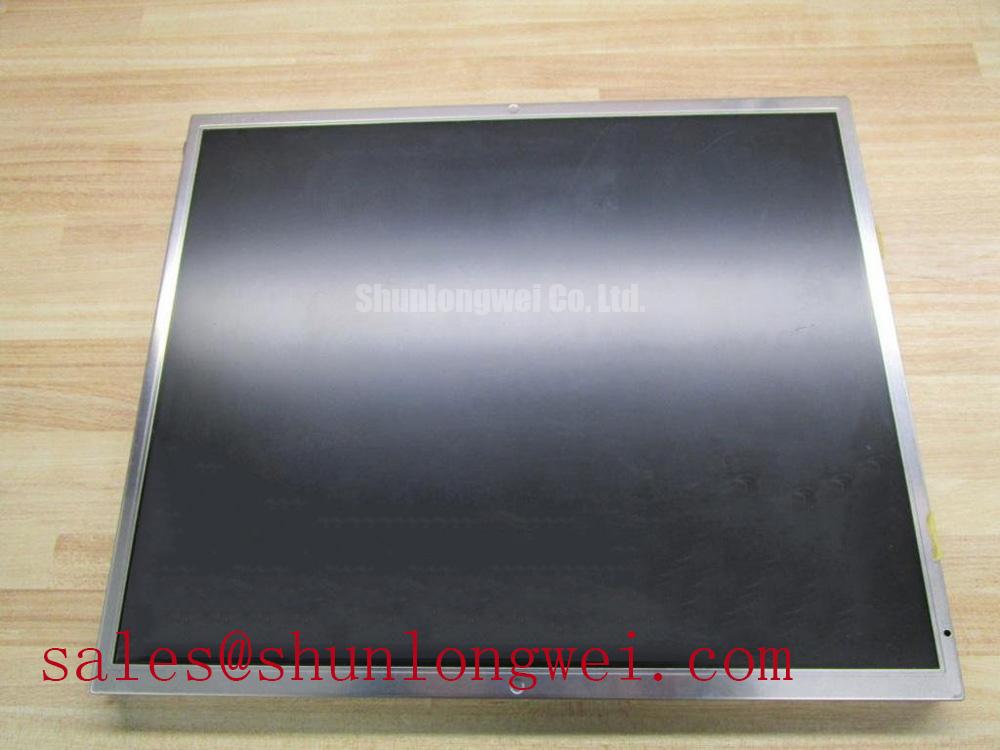
The Samsung LTM170EU-L01 is a 17.0-inch a-Si TFT-LCD module engineered for applications requiring stable, long-term performance and consistent image quality. This display delivers clear, detailed visuals through its native SXGA resolution and robust construction. It provides a reliable display solution for legacy and new system integrations demanding a standard 5:4 aspect ratio. The use of a standard LVDS interface simplifies the process of integrating this panel into existing industrial equipment.
- Core Specifications: 1280×1024 SXGA | 270 cd/m² Brightness | LVDS Interface
- Key Advantages: Standardized interface for system upgrades, proven CCFL backlight technology for established designs.
- Design Consideration: Its TN display mode provides fast response times suitable for dynamic content.
Download a reference datasheet (PDF)
Technical Analysis for System Integration
The LTM170EU-L01 is built on amorphous silicon TFT technology, providing a cost-effective and reliable foundation for industrial displays. Its specified surface treatment includes an anti-glare coating with a 25% haze value and a 3H hard coating. This durable surface minimizes reflections from ambient light and resists scratches, which is critical for maintaining readability and longevity in high-traffic environments like control rooms or point-of-sale terminals. The panel’s luminance of 270 cd/m² (Typ.) ensures sufficient brightness for typical indoor industrial and commercial applications.
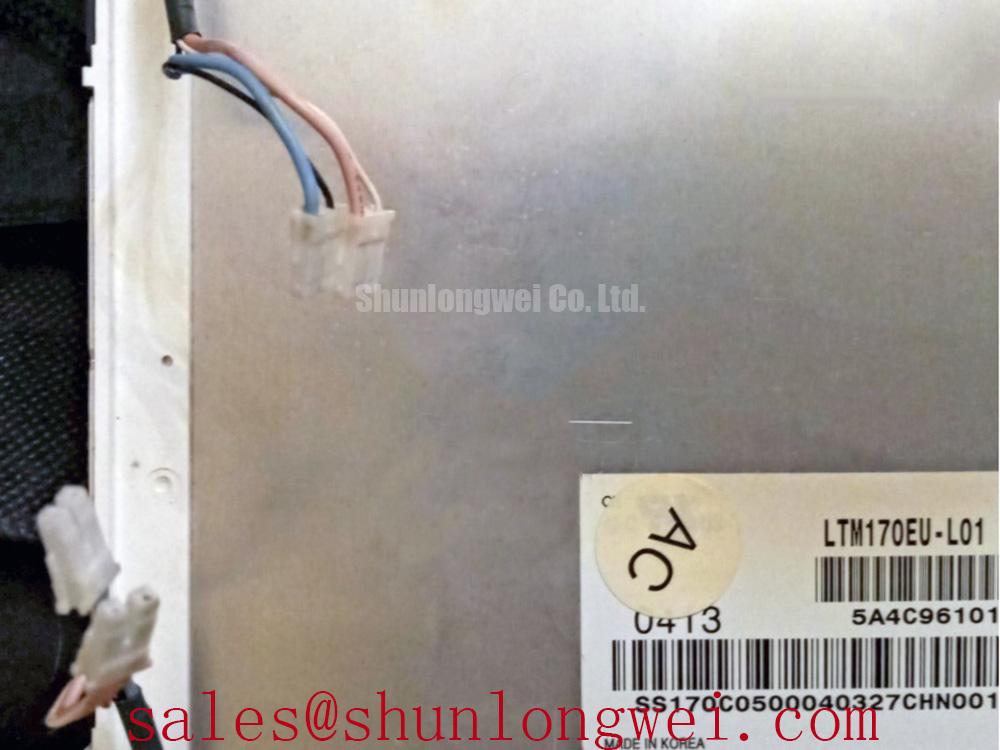
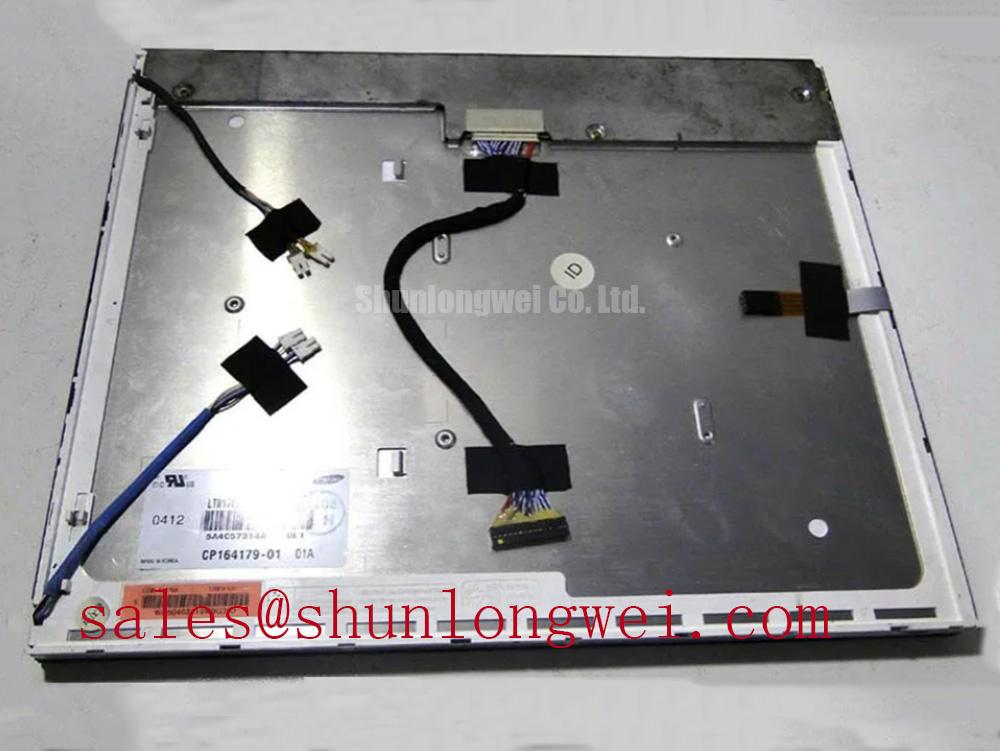
Signal and power delivery are managed through a single 30-pin connector that handles the dual-channel, 8-bit LVDS signal and the 5.0V panel power supply. This level of integration simplifies cable management and reduces potential points of failure. The typical power consumption of the panel logic is 650mA, a key figure for calculating system-level power budgets. Understanding these electrical requirements is a fundamental aspect of successful signal and power integrity.
The module’s thermal design is specified for an operating temperature range of 0°C to 50°C. The thermal output from the CCFL backlight system and driver circuitry must be managed to stay within this range. Think of the operating temperature range as a “safe zone” for the display; operating outside it can shorten the panel’s lifespan, much like running an engine without proper cooling. Effective thermal management is essential for long-term reliability.
Optimized Application Scenarios
The LTM170EU-L01’s specifications make it a suitable choice for several specific industrial and commercial environments:
- Industrial Control Panels: The SXGA resolution is ideal for displaying complex SCADA interfaces and process diagrams with high detail.
- Medical Diagnostic Stations (Non-diagnostic): Its 350:1 contrast ratio provides clear differentiation for viewing patient data, waveforms, and equipment status.
- Point-of-Sale (POS) Systems: The 5:4 aspect ratio is a common format for many legacy and current POS software interfaces, ensuring compatibility.
- Test and Measurement Equipment: The fast response time of the TN panel accurately displays changing values and waveforms without significant motion blur.
This module is best suited for indoor systems that require a standard, reliable SXGA display with straightforward LVDS integration.
Key Specifications of the LTM170EU-L01
| Display Characteristics | |
|---|---|
| Screen Size | 17.0 inches |
| Resolution | 1280(RGB) × 1024 [SXGA] 96PPI |
| Aspect Ratio | 5:4 (H:V) |
| Display Technology | a-Si TFT-LCD, TN, Normally White |
| Optical Characteristics | |
| Luminance | 270 cd/m² (Typ.) |
| Contrast Ratio | 350:1 (Typ.) |
| Viewing Angle | 70/70/60/60 (Typ.)(CR≥10) |
| Display Colors | 16.2M (6-bit + FRC), 72% NTSC (CIE1931) |
| Electrical & Mechanical | |
| Interface | LVDS (2 ch, 8-bit), 30-pin connector |
| Panel Voltage | 5.0V (Typ.) |
| Backlight System | 4 pcs CCFL, no driver included |
| Outline Dimensions | 358.5(W) × 296.5(H) × 18.5(D) mm |
| Operating Temperature | 0 ~ 50 °C |
Engineer’s Frequently Asked Questions
- What are the LVDS interface requirements for the LTM170EU-L01?
- The display uses a dual-channel, 8-bit LVDS interface transmitted via a 30-pin connector. It requires a 5.0V typical power supply for the panel logic. The system integrator is responsible for providing a compatible LVDS signal source and a separate driver for the CCFL backlight.
- How should this display be mounted for proper thermal management?
- For reliable operation, the display must be mounted in a way that allows for adequate airflow around the rear of the panel, where the backlight and driver electronics are located. Ensure the final assembly does not trap heat, maintaining an ambient temperature within the 0 to 50°C operating range to prevent performance degradation or damage. For more on this topic, see our guide on thermal management for display reliability.
- Is the LTM170EU-L01 suitable for outdoor use?
- No, this panel is not specified for direct outdoor use. The typical brightness of 270 cd/m² is insufficient for direct sunlight readability, and its operating temperature range is not rated for extreme outdoor conditions. It is intended for controlled, indoor environments.
- What does “Normally White” display mode mean?
- “Normally White” means that the pixels are transparent (allowing light to pass through) when no voltage is applied. In the event of a power failure to the pixel matrix, the screen will appear white. This is a characteristic of the Twisted Nematic (TN) liquid crystal technology used in the LTM170EU-L01.
Enabling Clear Visuals in Industrial Systems
The Samsung LTM170EU-L01 provides a technically sound solution for engineers developing or maintaining systems built around the SXGA standard. Its combination of a standard LVDS interface, durable anti-glare surface, and consistent optical characteristics ensures it can be integrated efficiently, delivering the visual clarity required for industrial and commercial applications. This focus on established technology promotes design stability and component longevity.