LTM170EX-L21: A Technical Review of a Robust Industrial SXGA Display
LTM170EX-L21: 17.0-inch SXGA Industrial TFT-LCD Module
Technical Analysis of the Samsung LTM170EX-L21 Display
The Samsung LTM170EX-L21 is an a-Si TFT-LCD panel engineered for applications requiring high-resolution imaging and reliable performance. This display delivers crisp, clear visuals through its SXGA resolution, supported by strong optical characteristics that ensure readability and image integrity from multiple viewing perspectives. It is a well-balanced solution for industrial human-machine interfaces (HMIs), medical diagnostic equipment, and public information kiosks.
- Core Specifications: 1280×1024 SXGA | 300 cd/m² Brightness | 800:1 Contrast Ratio.
- Key Advantages: Excellent off-axis viewing angles prevent color distortion. Fast 5ms response time reduces motion blur.
- Primary Use Case: Ideal as a long-life display for new system designs or as a robust replacement for aging 17-inch 5:4 aspect ratio monitors in legacy industrial machinery.
Download the Official LTM170EX-L21 Datasheet (PDF)
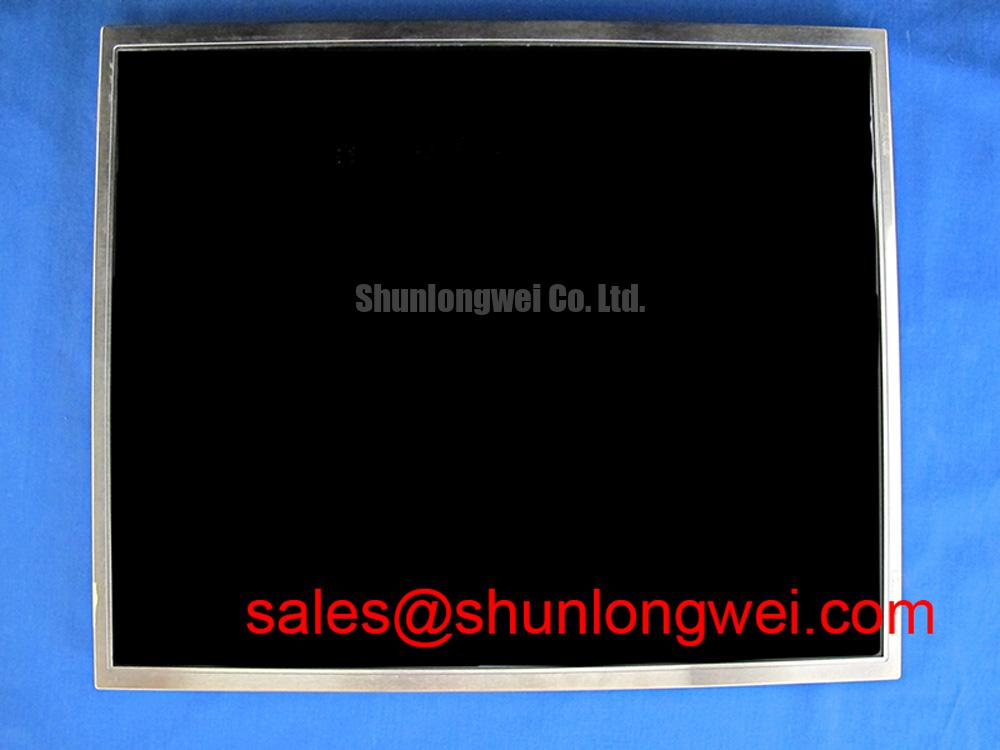

Engineered for Visual Clarity and Consistency
The engineering value of the LTM170EX-L21 is rooted in its fundamental optical performance. The 1280×1024 SXGA resolution on a 17.0-inch screen provides a pixel density of 96 PPI, which is sufficient for displaying detailed graphical user interfaces, schematics, and diagnostic imagery without significant pixelation. This level of detail is critical in environments where operators must make quick, informed decisions based on visual data. For more on HMI requirements, see our guide on essential touch and display specifications for smart factories.
A key parameter is the 800:1 typical contrast ratio, which defines the display’s ability to render deep blacks and bright whites. Think of contrast ratio as the dynamic range of the display’s brightness; a higher value, like 800:1, ensures that subtle grayscale details in an X-ray or faint lines on a control diagram are not washed out or lost. This is complemented by wide viewing angles of 80 degrees in every direction, which allows for accurate color and image perception even when the operator is not directly in front of the screen.
Reliable Integration and Long-Term Operation
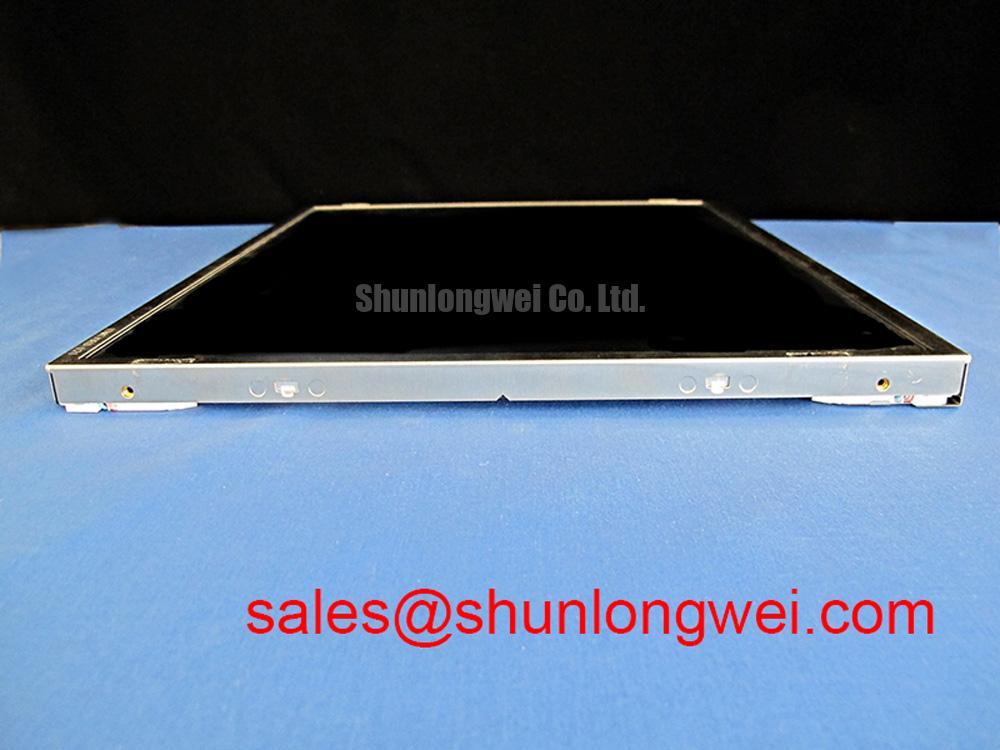
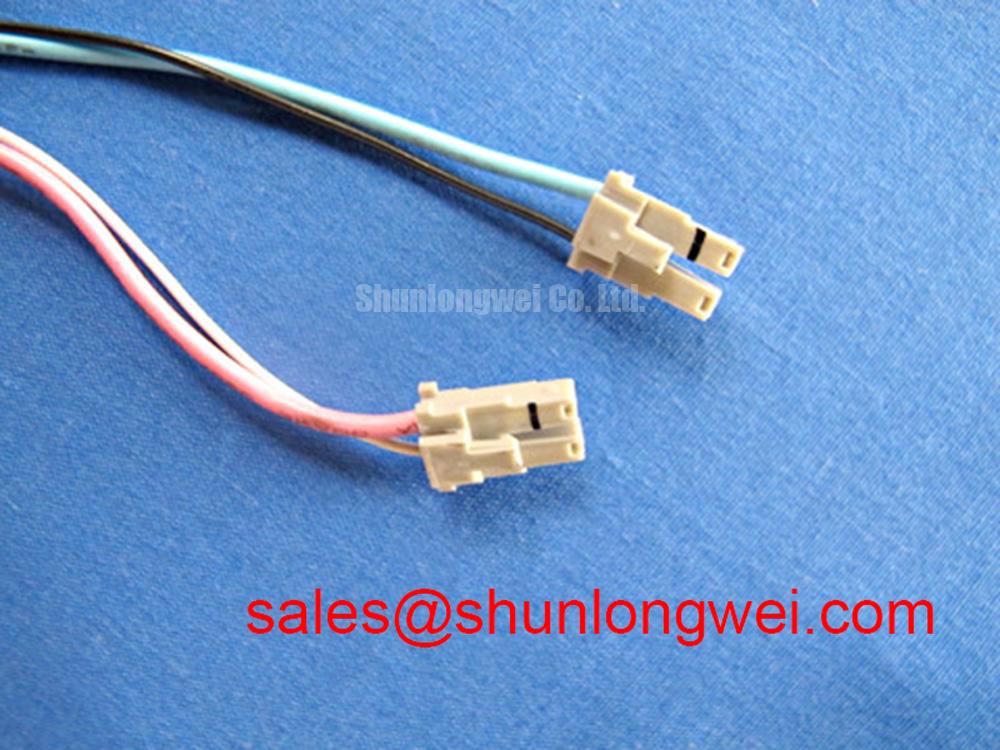
The LTM170EX-L21 utilizes a standard LVDS (Low-Voltage Differential Signaling) 2-channel, 8-bit interface. This interface is prevalent in industrial systems due to its high noise immunity and capability to transmit data over short-to-medium distances, ensuring signal integrity within a larger machine or enclosure. The panel’s backlight system consists of four CCFLs, providing a typical brightness of 300 cd/m² and a long operational life of 50,000 hours. This extended lifespan is a crucial factor for equipment intended for continuous operation with minimal maintenance downtime. Effective thermal management for industrial displays is key to achieving this rated lifetime.
Optimized Application Scenarios
- Industrial Control Panels: The SXGA resolution and 5:4 aspect ratio are well-suited for displaying complex SCADA and HMI applications, providing ample screen real estate for controls and data readouts.
- Medical Imaging Displays (Non-Diagnostic): The high contrast ratio and consistent viewing angles make it suitable for medical chart stations, patient monitoring, and equipment interfaces where image clarity is paramount.
- Automated Teller Machines (ATMs) & Kiosks: The anti-glare surface treatment and wide viewing angles ensure excellent readability in the varied lighting conditions of public spaces.
- Legacy System Upgrades: Its standard resolution and physical dimensions serve as a direct-fit replacement for older 17-inch CRT or early-generation LCDs, extending the life of existing equipment.
This module’s balanced feature set makes it a strong contender for systems that demand high visual fidelity and long-term operational stability.
Key Specifications of the LTM170EX-L21
| Samsung LTM170EX-L21 Technical Data | |
|---|---|
| Panel Type | a-Si TFT-LCD, TN, Normally White |
| Resolution | 1280(RGB)×1024 (SXGA) 96 PPI |
| Active Area | 337.92(W) × 270.336(H) mm |
| Brightness | 300 cd/m² (Typ.) |
| Contrast Ratio | 800:1 (Typ.) |
| Viewing Angle | 80/80/80/80 (Typ.)(CR≥10) |
| Response Time | 5 (Typ.)(Tr+Td) ms |
| Color Gamut | 72% NTSC (CIE1931) |
| Signal Interface | LVDS (2 ch, 8-bit), 30 pins Connector |
| Input Voltage | 5.0V (Typ.) |
| Backlight | 4 pcs CCFL, 50K hours, No Driver |
| Operating Temperature | 0 ~ 50 °C |
| Surface Treatment | Antiglare (Haze 25%), Hard coating (3H) |
Engineer’s FAQ
1. What are the main factors to consider when integrating the LTM170EX-L21’s LVDS interface?
The LVDS interface on the LTM170EX-L21 is a 2-channel, 8-bit system requiring a 30-pin connector. Engineers must ensure the host controller’s LVDS transmitter is compatible with this configuration. Pay close attention to cable length and quality to maintain signal integrity and prevent EMI issues. The datasheet specifies the exact pinout and required signal timing, which must be strictly followed.
2. How does the 0°C to 50°C operating temperature affect its use in industrial settings?
This temperature range is suitable for most indoor industrial control rooms, labs, and commercial environments. However, for applications exposed to extreme cold or direct sunlight causing high heat, additional thermal management, such as forced air cooling or heating elements, may be necessary to keep the display within its specified operating limits. Exceeding these limits can affect performance and reduce the panel’s lifespan. Further reading on vibration and shock resistance for industrial displays may also be relevant for harsh environments.
3. Is the CCFL backlight replaceable?
The datasheet specifies a 50,000-hour lifetime for the CCFL backlight assembly. While CCFLs are generally replaceable, the process requires careful handling and specialized tools to disassemble the display module without damaging the LCD panel itself. Sourcing exact replacement CCFL tubes and inverter boards is also a consideration for long-term serviceability.
4. What does the 5ms response time mean for motion video?
A typical response time of 5ms (rise and fall) is quite fast for an industrial panel of this type. It minimizes motion blur and ghosting artifacts when displaying video or rapidly changing data, such as scrolling text or animated machinery graphics. This ensures that on-screen motion remains sharp and intelligible, which is vital for monitoring applications.
The LTM170EX-L21 stands as a proven component for systems where clear, reliable, and consistent visual output is a primary design requirement. Its adherence to standard interfaces and resolutions provides a straightforward path for integration, enabling engineers to develop robust and user-friendly visual systems.