Sharp LM32C04P 5.5-inch Color STN LCD: A Technical Overview
Sharp LM32C04P 5.5-inch 320×240 Color STN LCD Module
Introduction and Core Highlights
The Sharp LM32C04P is a Color STN (CSTN) liquid crystal display module engineered for compact human-machine interfaces requiring clear, graphical representation. This display integrates a 320×240 QVGA resolution into a 5.5-inch diagonal active area, providing a solid foundation for information display in industrial equipment and instrumentation. Its parallel data interface is designed for straightforward integration with a variety of embedded controllers.
- Core Specifications: 5.5-inch Diagonal | 320×240 Resolution | Color STN Technology
- Key Advantages: Compact form-factor for space-constrained applications, standard parallel interface for broad compatibility.
- Design Consideration: This module is well-suited for systems that need to present status information, simple graphics, or menu-driven user interfaces where high-fidelity color is not the primary requirement.
Download the Official LM32C04P Datasheet (PDF)
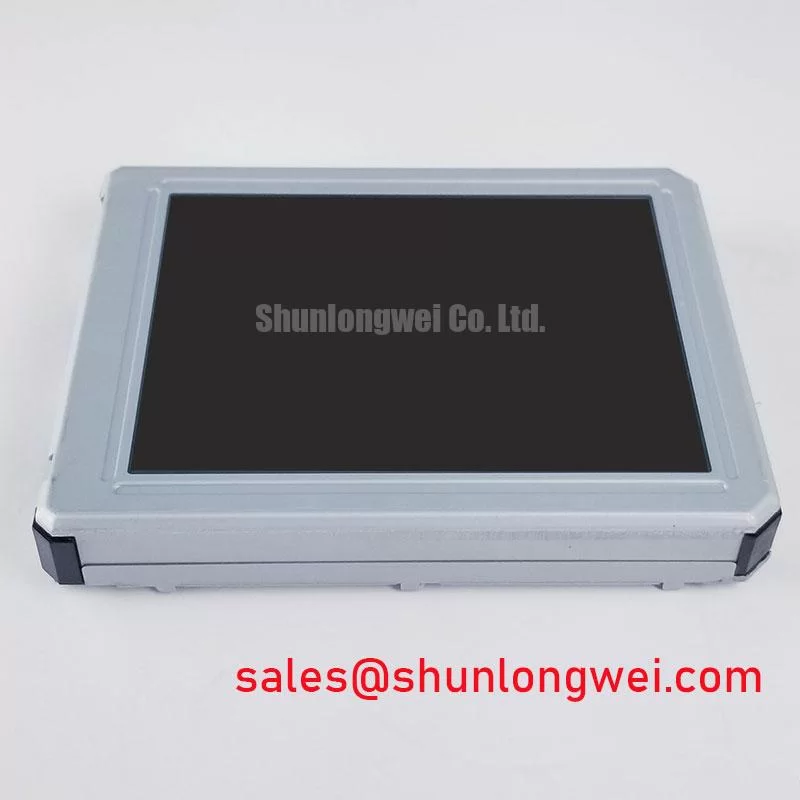


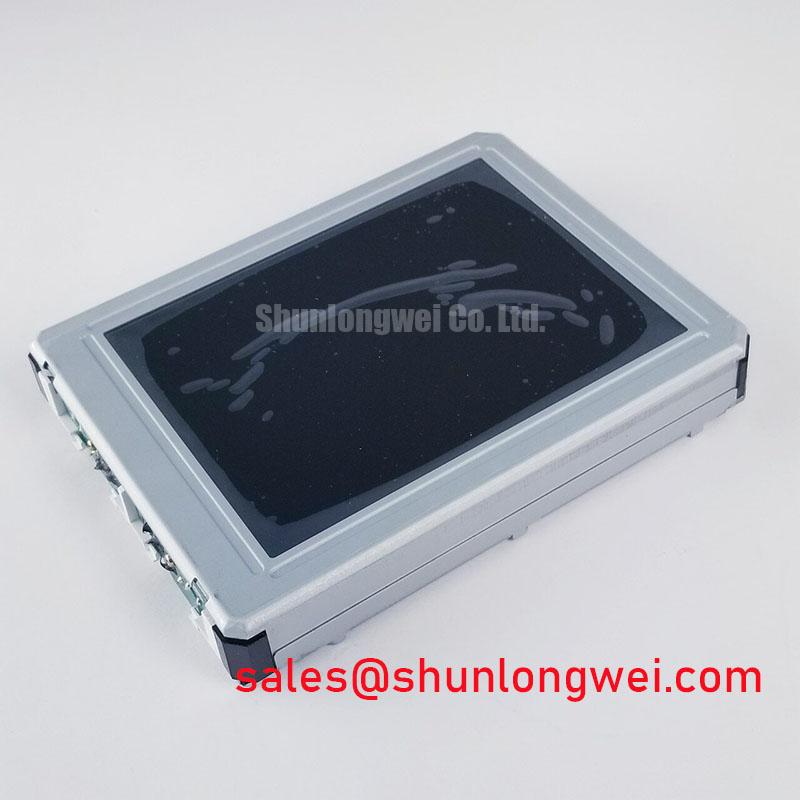

Technical Analysis
The core of the LM32C04P is its Color Super-Twisted Nematic (CSTN) display technology. While modern displays often use TFT technology, CSTN provides a cost-effective solution for applications where fast response times and wide viewing angles are secondary to information clarity and power efficiency. The 320×240 pixel matrix is suitable for rendering text, numerical data, and basic graphical elements with sufficient detail for industrial control panels and test equipment. An understanding of industrial display substrates is valuable when evaluating the physical robustness of such components in demanding settings.
Interfacing with the LM32C04P is managed via a parallel data bus, a common and well-documented method in embedded systems. This approach allows a direct connection to a microcontroller’s I/O ports, requiring signals like data latch (LP), data input clock (XCK), and scan start-up (YD) for proper operation. The logic circuitry operates on a standard +5V DC supply, while the CCFL backlight requires a separate, higher voltage supplied by an external inverter. This separation allows for independent control of the backlight, enabling features like brightness adjustment or power-saving modes. The 20:1 contrast ratio ensures that displayed information is clearly legible under typical indoor lighting conditions.
Optimized Application Scenarios
The LM32C04P is specified for systems where clear data presentation is paramount.
- Industrial Control Systems: Its QVGA resolution is effective for displaying machine status, process variables, and operator menus.
- Test and Measurement Equipment: Provides a clear readout for measurement values, settings, and simple waveforms without the complexity of a full-color TFT.
- Point-of-Sale (POS) Terminals: Can serve as a customer-facing or operator display for transaction details and prompts.
- Legacy System Sustainment: Acts as a suitable replacement part for aging equipment that was originally designed with similar 5.5-inch QVGA displays, extending the operational life of valuable assets.
This display is a strong match for systems requiring a durable, straightforward graphical interface with low to moderate information density.
Key Specifications of the LM32C04P
| Display Characteristics | |
|---|---|
| Model | LM32C04P |
| Display Technology | CSTN-LCD, Normally Black |
| Screen Size | 5.5 inches |
| Resolution | 320 x 240 pixels (QVGA) |
| Typical Contrast Ratio | 20:1 |
| Typical Brightness | 170 cd/m² |
| Electrical and Environmental | |
| Logic Supply Voltage (VDD) | 5.0V (Typ.) |
| LCD Drive Voltage (VEE) | +24V DC (Typ.) |
| Interface | Parallel Data (8-bit) |
| Operating Temperature | 0°C to 60°C |
| Storage Temperature | -25°C to 65°C |
Engineer’s FAQ
1. What are the main signals needed to interface with the LM32C04P?
The module requires an 8-bit parallel data bus (D0-D7), a data input clock (XCK), an input data latch signal (LP), a scan start-up signal (YD), and a display on/off control (DISP). A fundamental grasp of ensuring signal integrity is important for reliable data transfer.
2. How is the CCFL backlight powered and controlled?
The Cold Cathode Fluorescent Lamp (CCFL) backlight requires a separate, external inverter. This inverter takes a DC input and generates the high AC voltage necessary to drive the lamp. The display’s DISP signal pin can often be used in the control circuit for this inverter to turn the backlight on and off. Managing the backlight is a key part of the overall system’s proactive lifespan management.
3. What are the power sequencing requirements?
For this type of display, it is critical to follow the correct power-up and power-down sequence to prevent damage to the LCD. Typically, the logic voltage (VDD) should be applied first, followed by the LCD drive voltage (VEE). The sequence should be reversed during power-down. The datasheet provides specific timing requirements that must be adhered to.
4. Is this display suitable for outdoor applications?
With an operating temperature range of 0°C to 60°C and a typical brightness of 170 nits, the LM32C04P is intended for indoor industrial environments. It is not rated for direct sunlight readability or the extreme temperatures found in unprotected outdoor settings.
System Integration
The Sharp LM32C04P offers a dependable and straightforward solution for adding a graphical interface to industrial systems. Its standard parallel interface and QVGA resolution provide the necessary functionality for clear information display, while its CSTN technology presents a practical balance of performance and cost for targeted applications. Proper implementation of its power and interface requirements will result in a reliable and long-serving HMI component.