Sharp LQ64D343G: A Robust 6.4-inch VGA Display for Industrial Applications
Sharp LQ64D343G 6.4-inch VGA Color TFT-LCD Module
Introduction and Core Highlights
The Sharp LQ64D343G is a 6.4-inch a-Si TFT-LCD module engineered for sustained performance in industrial applications. This display provides a reliable and effective solution for systems requiring a standard 4:3 aspect ratio and VGA resolution, prioritizing operational stability and clear visual output. Its robust construction and long-life backlight system make it a suitable component for integration into human-machine interfaces (HMIs), measurement instruments, and point-of-sale terminals where longevity is a primary engineering consideration.
- Core Specifications: 6.4″ Diagonal | 640×480 VGA Resolution | 300 cd/m² Brightness
- Key Advantages: Features a long-life CCFL backlight system rated for 50,000 hours, supporting extended operational use. The standard Parallel RGB interface simplifies integration with established industrial hardware.
- Engineering Intent: For designers seeking a 640×480 industrial display, the LQ64D343G offers a proven platform with consistent optical characteristics for clear data and graphical information display.
Access Technical Specifications

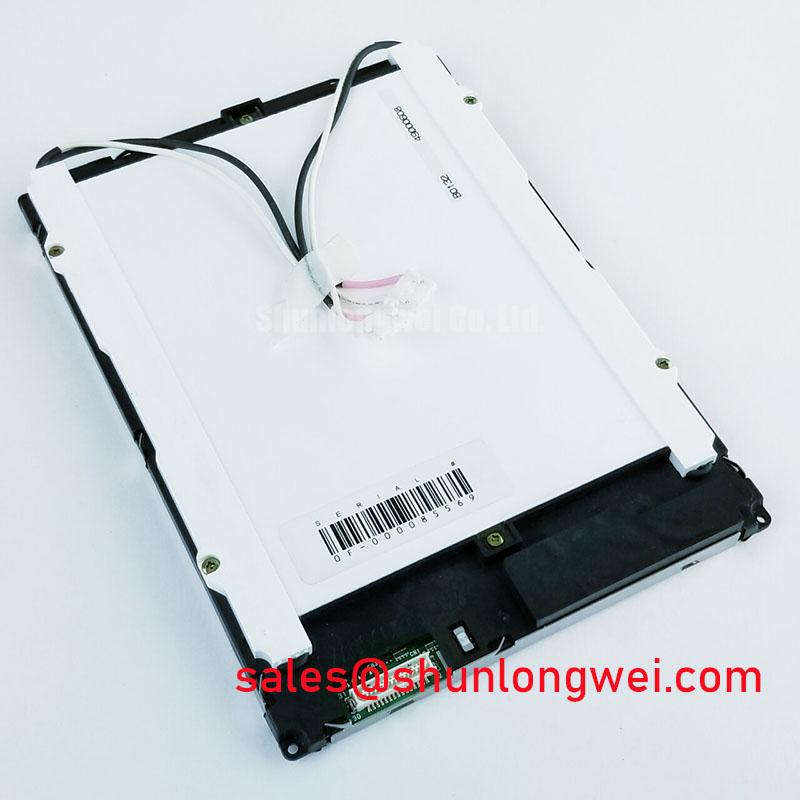
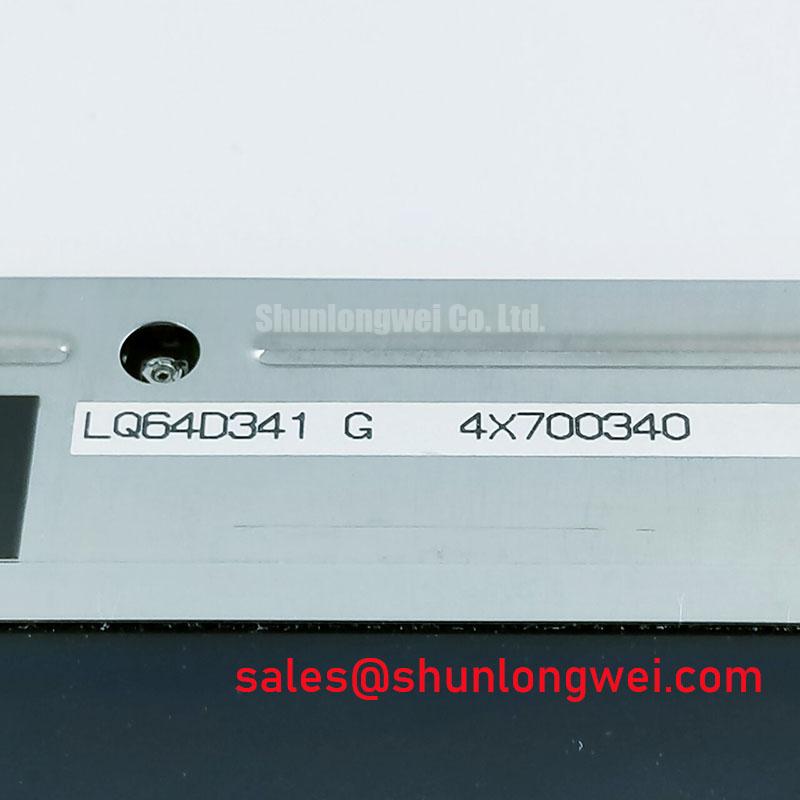
Technical Analysis for Industrial Integration
The LQ64D343G is built around a set of specifications that ensure dependable performance in controlled industrial environments. Its 640×480 (VGA) resolution remains a widely supported standard for industrial control systems, ensuring backward compatibility and simplifying software development for graphical user interfaces. The display renders 262,144 colors using a 6-bit digital RGB signal, which is sufficient for the clear differentiation of status indicators, schematics, and basic graphical elements common in industrial machinery.
Optical performance is defined by a typical brightness of 300 cd/m² and a contrast ratio of 150:1. Think of the contrast ratio as the legibility of black text on a white background; a higher ratio means deeper blacks and brighter whites, making the display easier to read. While not designed for direct sunlight, this level of brightness is well-suited for indoor factory floors, control rooms, and laboratory settings. The panel surface features an anti-glare treatment, which helps to diffuse reflections from overhead lighting, further enhancing operator readability and reducing eye strain.
Optimized Application Scenarios
The design parameters of the LQ64D343G align it with specific industrial and commercial use cases:
- Industrial HMI Panels: The 6.4-inch diagonal size and VGA resolution are ideal for compact control panels on machinery, providing essential data without requiring a large footprint.
- Test and Measurement Equipment: Its clear, stable image is suitable for oscilloscopes, spectrum analyzers, and other devices where accurate waveform and data representation is necessary. The 50,000-hour backlight life ensures long-term operational readiness.
- Point-of-Sale (POS) Terminals: The display offers the required clarity for transaction details and operator interfaces in retail and service environments.
- Legacy System Sustainment: As a component with a standard digital interface and common resolution, it serves as a viable replacement part for aging industrial equipment, extending the life of capital assets.
This module is a best-fit solution for systems requiring a durable VGA display with predictable performance and a long operational lifespan under standard industrial conditions.
Key Specifications of the LQ64D343G
| Feature | Specification |
|---|---|
| Manufacturer | Sharp |
| Display Technology | a-Si TFT-LCD, TN, Normally White, Transmissive |
| Screen Size | 6.4 inches |
| Resolution | 640(RGB)×480 (VGA) |
| Brightness | 300 cd/m² (Typ.) |
| Contrast Ratio | 150:1 (Typ.) |
| Viewing Angle | 70/70/40/70 (L/R/U/D) (Typ., CR≥5) |
| Interface Type | Parallel RGB (1 ch, 6-bit), 31-pin connector |
| Backlight System | 2 pcs CCFL, 50,000 hours lifetime |
| Operating Temperature | 0°C to 55°C |
| Storage Temperature | -25°C to 70°C |
Engineer’s FAQ
1. What are the main considerations for integrating the LQ64D343G into an existing system?
The primary considerations are the mechanical fit and the electrical interface. The module’s outline dimensions are 175 x 126.5 x 12.0 mm. Electrically, it requires a 31-pin connector for the 6-bit Parallel RGB signal and a separate external driver for the CCFL backlight, as one is not integrated. The logic voltage is a typical 5.0V.
2. How does the CCFL backlight’s lifespan impact system maintenance?
The dual CCFL backlight is rated for a 50,000-hour lifetime, which translates to over 5.7 years of continuous 24/7 operation. This long life minimizes the need for frequent replacements in most industrial applications. The datasheet also notes the lamps are replaceable, which allows for servicing the display module to further extend the life of the host equipment.
3. What does the specified operating temperature range of 0°C to 55°C imply for its use cases?
This temperature range makes the LQ64D343G suitable for indoor, climate-controlled environments such as factory floors, control centers, and laboratories. It is not specified for outdoor applications or in environments subject to freezing temperatures or extreme heat without appropriate thermal management and enclosure design. For more on this topic, see our guide to thermal management for industrial display reliability.
4. Is the anti-glare surface sufficient for all lighting conditions?
The anti-glare (AG) coating is effective at scattering ambient light from common indoor sources, improving viewability. However, in environments with intense, direct light sources or sunlight, additional measures like a hood or careful system positioning may be necessary to maintain optimal contrast and readability. Exploring essential HMI display specifications can provide further context.
Enabling System Longevity
The Sharp LQ64D343G delivers a stable and reliable visual interface for industrial systems. Its adherence to standard resolution and interface protocols, combined with a durable backlight, provides engineers with a component designed for straightforward implementation and long-term operational performance. This focus on fundamentals allows for confident integration into devices where consistency and durability are paramount design goals.