Infineon FZ1600R17HP4-B2: A Technical Analysis for High-Power Applications
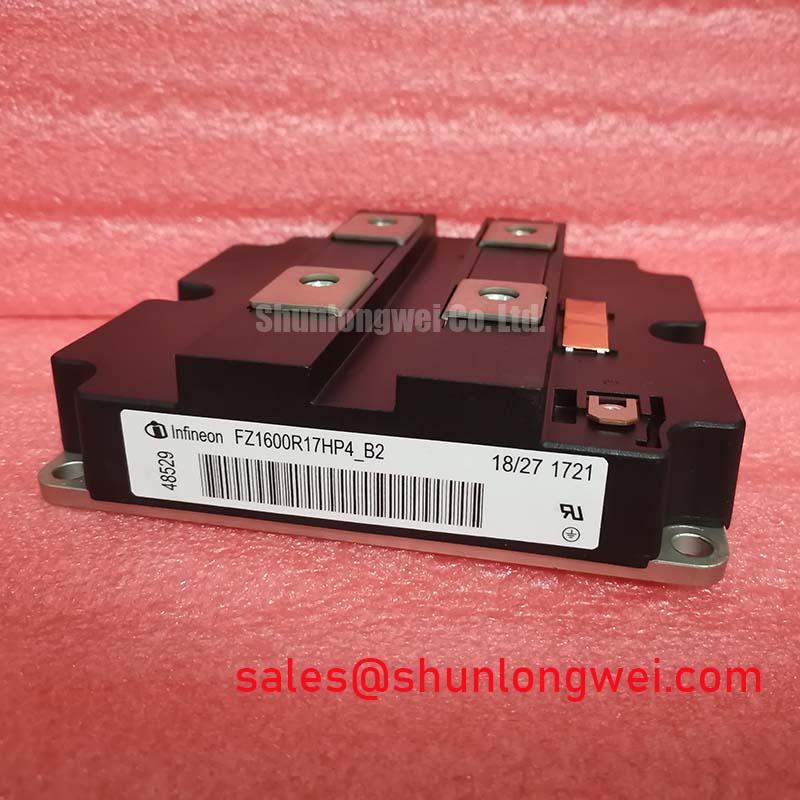
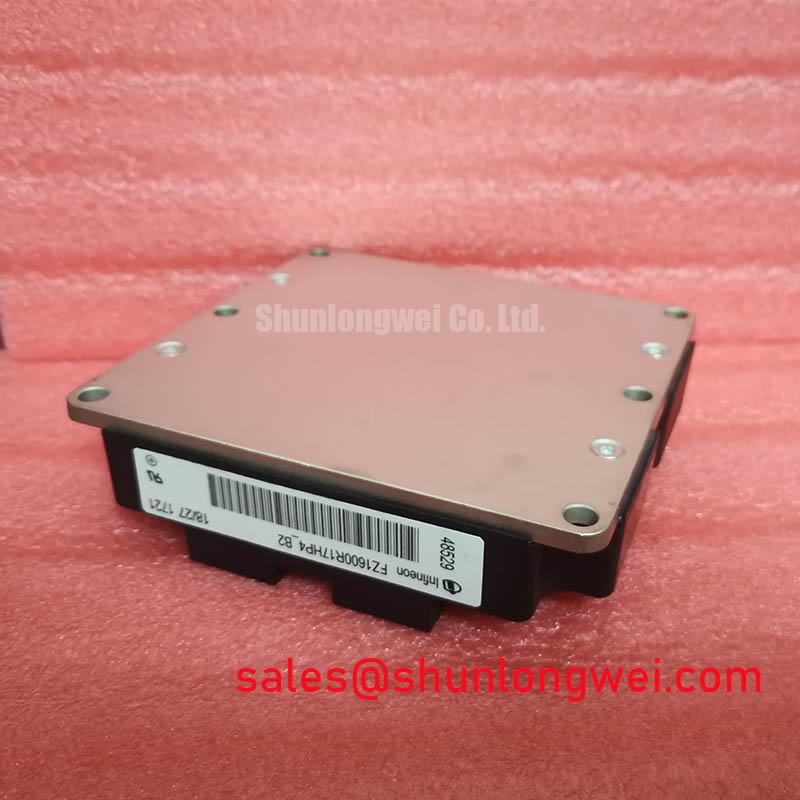
Infineon FZ1600R17HP4-B2 1700V 1600A IGBT Module
High-Power Performance with Proven IGBT4 Technology
The Infineon FZ1600R17HP4-B2 is a high-power phase leg IGBT module engineered for demanding industrial applications requiring robust performance and high current handling. It integrates Infineon’s Trench-Field-Stop IGBT4 and Emitter Controlled diode technology to provide a balance of low conduction losses and switching efficiency. This design is optimized for high-power converters and industrial drives operating at medium frequencies where thermal management is a primary consideration for system reliability.
- Core Specifications: 1700V | 1600A | Tvj op = 150°C
- Key Advantages: Low collector-emitter saturation voltage (VCEsat), high thermal cycling capability.
- Primary Benefit: Enables the design of high-power-density inverters with simplified thermal management.
For complete specifications, download the official FZ1600R17HP4-B2 datasheet (PDF).
Technical Analysis for System Design
The engineering value of the FZ1600R17HP4-B2 is rooted in its electrical and thermal characteristics. Its Trench-Field-Stop IGBT4 technology provides a low typical VCEsat of 2.15V at its nominal current of 1600A (Tvj = 25°C). This low on-state voltage directly translates to reduced conduction losses, a critical factor in medium-frequency applications like large motor drives. Lower power dissipation simplifies the requirements for the cooling system, allowing for smaller heatsinks or more efficient operation under heavy loads. More details on IGBT technology can be found in our analysis of the architecture of modern power switching.
Effective heat dissipation is fundamental to reliability in high-power modules. This module features a low junction-to-case thermal resistance (RthJC) of 0.016 K/W per switch. Think of thermal resistance as the width of a highway for heat; a lower value creates a multi-lane expressway, allowing thermal energy to move away from the semiconductor junction with minimal obstruction. This efficient heat transfer, combined with an AlSiC base plate for improved thermal cycling capability, ensures the module remains within its safe operating temperature limits, even under demanding load profiles.
Optimized Application Scenarios
The specific characteristics of this module make it a strong candidate for several high-power applications:
- Wind Turbine Converters: The module’s 1700V blocking voltage and high current rating are well-suited for multi-megawatt wind turbine inverters, where reliability and efficiency are paramount for long service life.
- High-Power Industrial Drives: In large-scale motor control for mining, marine, or metals processing, the FZ1600R17HP4-B2 provides the necessary power handling to control massive motors with precision and thermal stability.
- Grid Infrastructure: For utility-scale applications like static VAR compensators (SVCs) or large uninterruptible power supplies (UPS), its high power density and proven reliability contribute to stable and efficient grid support.
- Traction Drives: The module’s robust mechanical design and high power cycling capability make it suitable for certain commercial and industrial traction applications.
Its combination of high current capacity and thermal efficiency makes it an optimal choice for multi-megawatt power conversion systems requiring proven reliability.
Key Specifications of the FZ1600R17HP4-B2
| Absolute Maximum Ratings (Tvj = 25°C unless otherwise specified) | |
|---|---|
| Collector-Emitter Voltage (VCES) | 1700 V |
| Continuous DC Collector Current (IC nom) | 1600 A (TC = 100°C) |
| Repetitive Peak Collector Current (ICRM) | 3200 A (tP = 1 ms) |
| Gate-Emitter Peak Voltage (VGES) | ±20 V |
| Electrical & Thermal Characteristics (Typical Values) | |
| Collector-Emitter Saturation Voltage (VCEsat) | 2.15 V (IC = 1600A, VGE = 15V, Tvj = 25°C) |
| Thermal Resistance, Junction-to-Case (RthJC) | 0.016 K/W (per IGBT) |
| Thermal Resistance, Case-to-Heatsink (RthCH) | 0.005 K/W (per module, with thermal grease) |
| Operating Junction Temperature (Tvj op) | -40 to 150 °C |
Note: These parameters are for reference. Consult the official datasheet for complete and detailed specifications.
Engineer’s FAQ for FZ1600R17HP4-B2
- What are the main factors for a reliable thermal design with this module?
A successful thermal design must account for the module’s thermal resistance from junction-to-case (RthJC) and case-to-heatsink (RthCH). Use these values from the datasheet to calculate the total thermal impedance and ensure the maximum operating junction temperature (Tvj op) of 150°C is not exceeded under worst-case load conditions. Learn more about mastering IGBT thermal design from our technical guides. - What is the recommended mounting torque for the electrical terminals?
According to the datasheet, the M8 main terminals should be fastened with a torque of 10 – 12 Nm. Applying the correct torque is critical to ensure a secure, low-resistance electrical connection and to avoid mechanical stress on the module housing. - Is this module suitable for parallel operation to achieve higher currents?
Yes, the FZ1600R17HP4-B2 is designed for parallel operation. Its IGBT4 silicon has a positive temperature coefficient for VCEsat, which aids in balancing current sharing between modules. For reliable paralleling, a symmetrical busbar layout and matched gate driver signals are essential to minimize stray inductance and ensure simultaneous switching. Our article on high-power IGBT paralleling provides further insights. - What does the “-B2” suffix signify?
The “-B2” suffix typically denotes a specific version or revision of the module, often related to the included diode or internal layout. Always refer to the official datasheet corresponding to the exact part number to ensure all specifications are accurate for the component being used.
This module provides system designers with a high-current, thermally efficient component for building reliable and power-dense converters. Its use of established IGBT4 technology ensures predictable performance in critical industrial systems.