Sharp LJ64ZU52: A Robust EL Display for Legacy Industrial Systems
Sharp LJ64ZU52 EL Display for Industrial System Longevity
High-Contrast Electroluminescent Display for Critical Applications
The Sharp LJ64ZU52 is a 10.4-inch VGA Electroluminescent (EL) Display Unit engineered for exceptional durability and stable visual performance in demanding industrial environments. Its core value lies in its solid-state, self-emitting display technology, which delivers superior image quality and reliability where conventional LCDs may falter. This display is a proven solution for maintaining and extending the life of legacy systems in sectors like manufacturing and automation.
- Core Specifications: 640×480 VGA | 55 cd/m² Luminance | +5V & +12V Supply
- Key Advantages: High immunity to vibration and shock, wide operating temperature range.
- Solves Legacy Challenges: Provides a direct-fit replacement for aging systems, avoiding costly and complex redesigns of machine interfaces.
Download Official Datasheet (PDF)
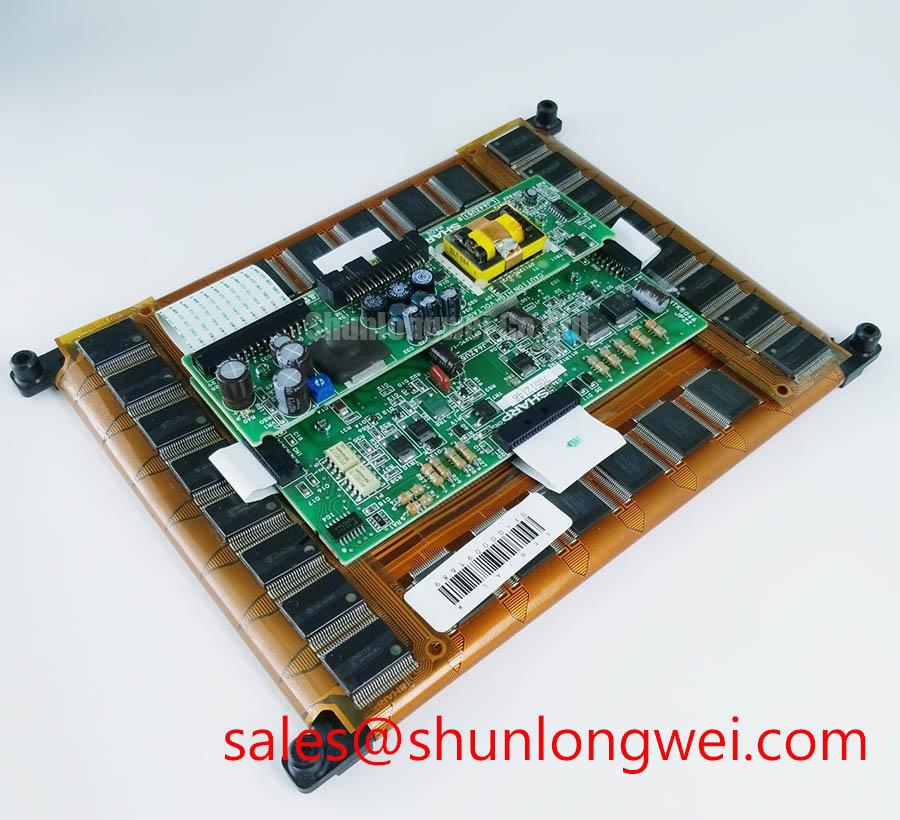
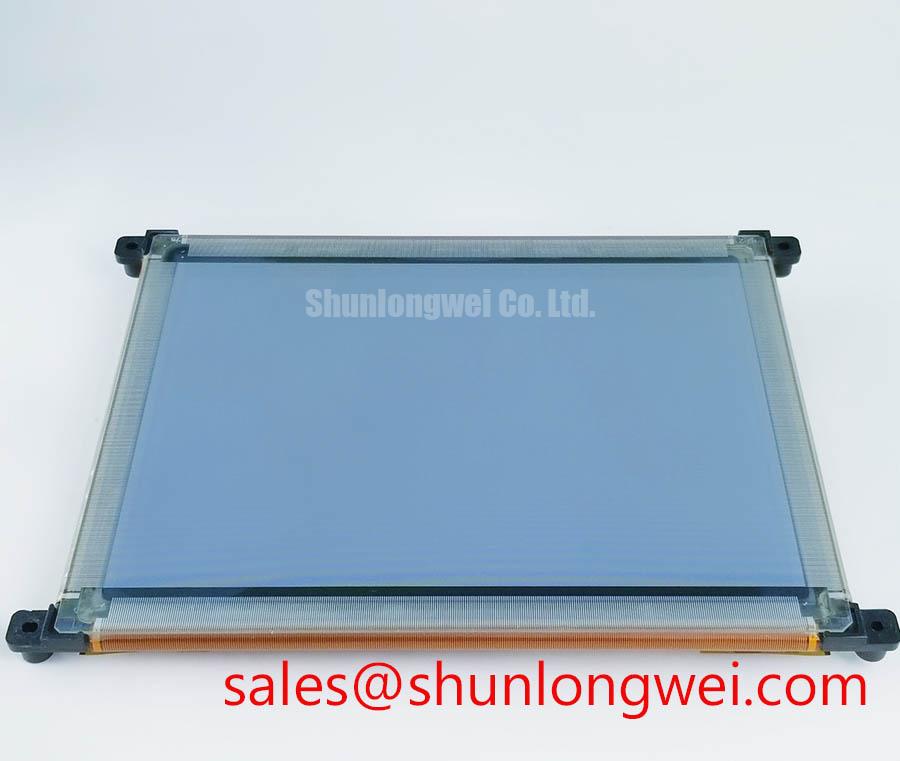
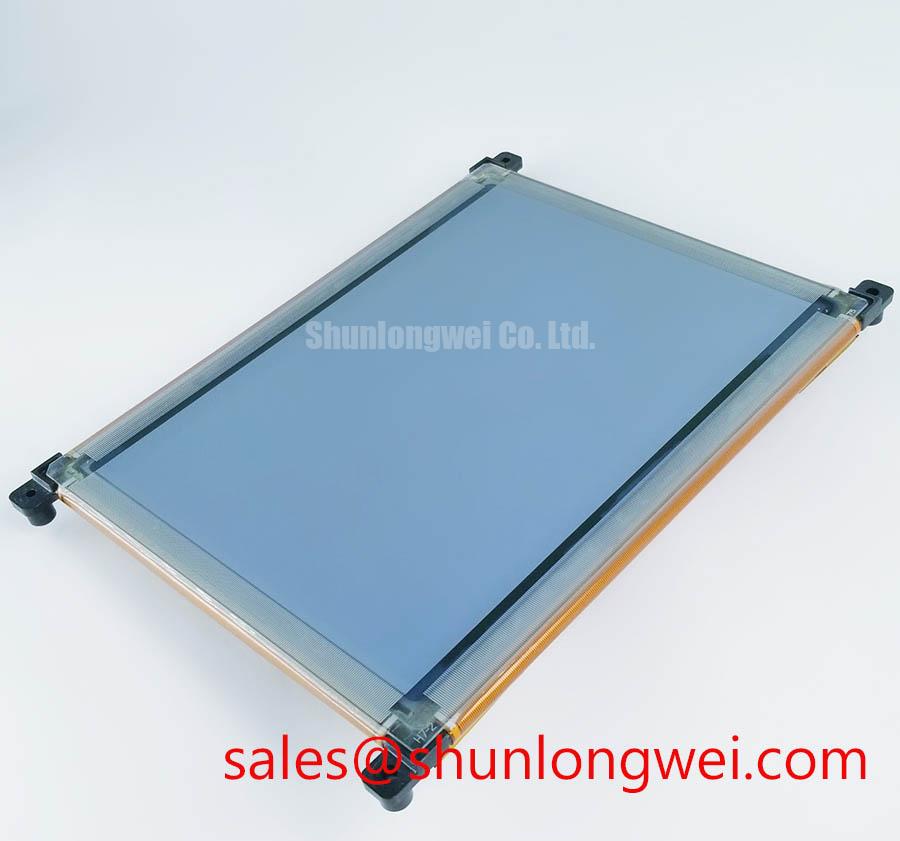
Technical Analysis: The Engineering Behind EL Durability
The defining characteristic of the Sharp LJ64ZU52 is its electroluminescent technology. Unlike backlit LCDs, each pixel in an EL panel is a self-contained light source. This solid-state design inherently provides superior resilience against mechanical stress. Think of it like the difference between a modern solid-state drive (SSD) and an old spinning hard drive; with no moving parts or fragile liquid crystal layers, the EL display is far less susceptible to failure from constant vibration or sudden impacts, a common reality in industrial environments.
This self-emitting structure also yields a high contrast ratio and exceptionally wide viewing angles. Because the light is generated directly at the point of display, text and graphics appear sharp and clear without the off-axis color shifts or contrast degradation seen in many traditional LCDs. This ensures operators can accurately read critical data from virtually any position, enhancing both safety and operational efficiency. The display’s ability to operate from -5°C to +55°C further ensures consistent performance in unconditioned factory or field environments.
Optimized Application Scenarios
The LJ64ZU52 is specified for applications where long-term operational continuity is paramount.
- CNC & PLC Machine Controls: Delivers unwavering clarity and vibration resistance on the factory floor, ensuring machine operators have a stable, readable interface.
- Test and Measurement Equipment: Provides a precise, high-contrast display for critical data analysis in lab or field instruments where accuracy is essential.
- Medical Monitoring Systems: Its reliable performance and clear readability from wide angles make it suitable for legacy patient monitoring devices.
- Process Control Panels: The robust design ensures a long service life in industrial automation systems that operate 24/7.
This EL display is the optimal choice for sustaining certified equipment, eliminating the high costs and risks of system redesign and recertification.
Key Specifications of the LJ64ZU52
| Sharp LJ64ZU52 Specifications | |
|---|---|
| Display Characteristics | |
| Display Technology | Electroluminescent (EL) Display |
| Resolution | 640 x 480 Pixels (VGA) |
| Active Area | 211.1(W) × 158.3(H) mm |
| Pixel Pitch | 0.330(W) x 0.330(H) mm |
| Typical Luminance | 55 cd/m² |
| Electrical Characteristics | |
| Logic Supply Voltage (Vcc) | +5V (±5%) |
| Display Supply Voltage (Vdd) | +12V (±5%) |
| Interface | LS TTL Level Parallel Data |
| Mechanical & Environmental | |
| Dimensions | 267(W) x 197(H) x 36(D) mm |
| Weight | 780g (Typ.) |
| Operating Temperature | -5°C to +55°C |
| Storage Temperature | -25°C to +70°C |
Engineer’s FAQ
1. Why is the LJ64ZU52 a better choice for my legacy CNC machine than a modern LCD retrofit?
Retrofitting a modern LCD requires significant engineering: mechanical redesign for a different form factor, custom interface electronics to convert signals, and potential software modifications. The LJ64ZU52 serves as a form, fit, and function replacement, preserving the system’s original certification and avoiding the high costs and risks of re-engineering. For more on the challenges of replacing older components, see our guide on navigating component end-of-life.
2. What makes this EL display suitable for high-vibration environments?
Its solid-state construction is key. Unlike LCDs, it has no liquid crystal layer, backlight tubes, or other fragile components that are susceptible to mechanical failure under constant shock and vibration. This makes it ideal for applications in heavy industry or mobile equipment.
3. What are the main power and signal requirements for the LJ64ZU52?
The unit requires two DC power supplies: +5V for logic and +12V for the display drive. The interface uses 11 LS TTL level signals for data and control, including a data transfer clock (CK), horizontal and vertical sync signals, and display data inputs.
4. As a self-emissive display, is burn-in a concern?
Like other self-emissive technologies, EL displays can experience phosphor aging, which may result in image retention or “burn-in” if a completely static image is displayed for thousands of continuous hours. For applications with dynamic content, this is typically not a significant factor in the product’s operational life.
Enabling System Longevity
The LJ64ZU52 provides a technically sound and financially prudent path for maintaining high-value industrial assets. Its electroluminescent technology delivers the robustness and visual clarity required for critical HMI applications, ensuring that proven, reliable systems can continue to operate effectively for years to come.