AUO G190EAN01.0: Wide-Angle Clarity for Legacy System Upgrades
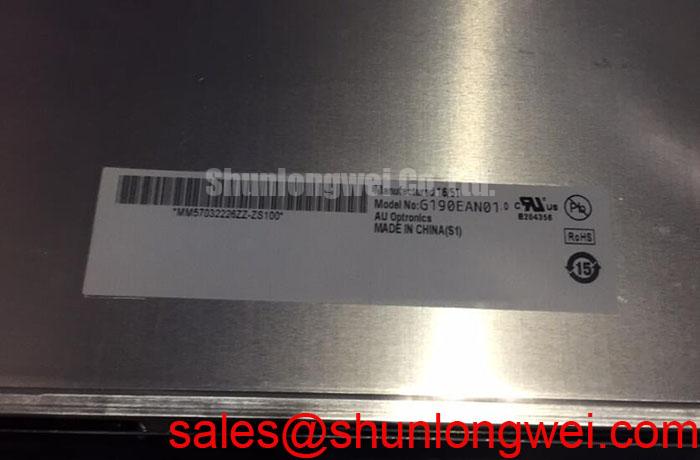
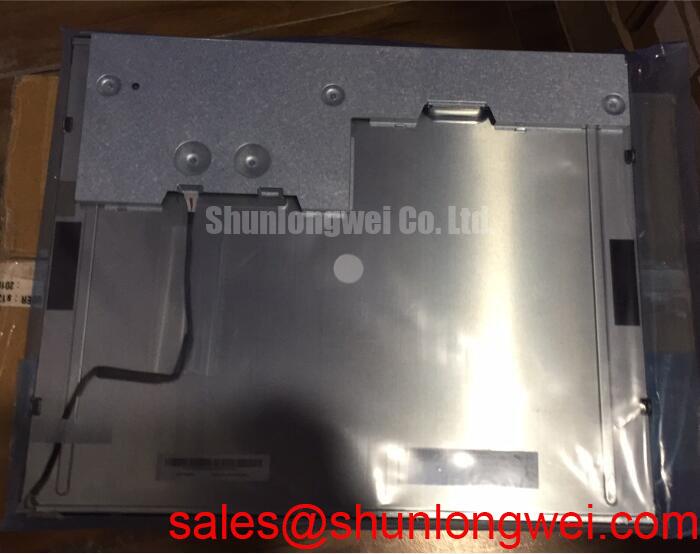
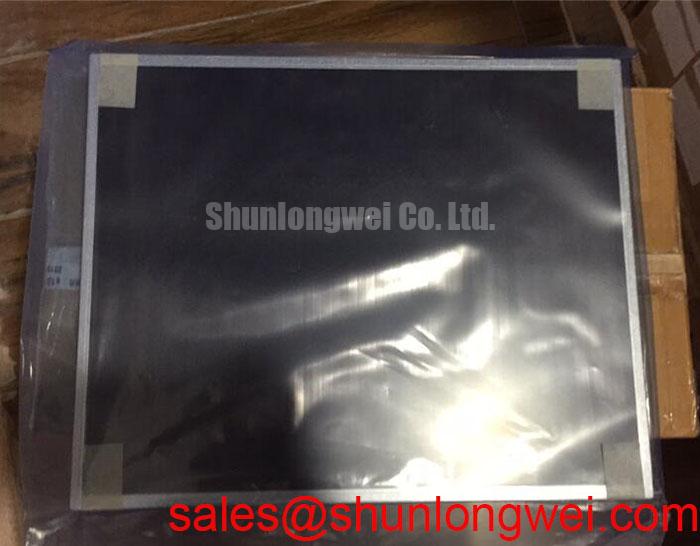
AUO G190EAN01.0 19.0-inch SXGA AHVA TFT-LCD Module
Superior Off-Axis Visuals and Classic 5:4 Aspect Ratio
The AUO G190EAN01.0 is a 19.0-inch color TFT-LCD module that delivers exceptional image fidelity through its Advanced Hyper-Viewing Angle (AHVA) technology. This technology provides consistent color and brightness from any viewing perspective, a critical requirement for multi-viewer applications. Its native 1280 x 1024 SXGA resolution and 5:4 aspect ratio make it a direct-fit solution for sustaining and upgrading legacy industrial and medical systems originally designed for non-widescreen formats.
- Core Specification: 19.0″ | 1280×1024 SXGA | LVDS Interface
- Key Advantages: Symmetric 89° viewing angles for off-axis clarity, integrated LED driver simplifies system design.
Download Official Datasheet (PDF)
Technical Analysis for System Integration
The primary engineering value of the G190EAN01.0 is its AHVA panel technology. With specified viewing angles of 89/89/89/89 degrees (L/R/U/D), the display eliminates the color shift and inversion commonly seen on standard TN panels when viewed off-center. This is crucial in environments where multiple operators must view a screen simultaneously, or where the display is mounted in a fixed position above or below eye level. This consistent performance ensures that diagnostic or control data is interpreted accurately, regardless of the viewer’s position. For more details on display technologies, explore our resources on LCD core technology.
While many modern displays have shifted to widescreen formats, the 5:4 aspect ratio of this module is a significant advantage for specific applications. It allows for direct, drop-in replacement in legacy systems without requiring costly and time-consuming modifications to the user interface software or mechanical enclosure. This makes the G190EAN01.0 an ideal component for life-cycle extension of capital-intensive equipment. The display’s mechanical robustness is further detailed in our guide on vibration and shock resistance for industrial displays.
Optimized Application Scenarios
- Industrial Control Panels: The SXGA resolution provides ample detail for complex SCADA and HMI applications, while the AHVA panel ensures data is readable from anywhere on the factory floor.
- Medical Imaging Stations: Delivers the color accuracy and wide-angle viewability required for non-diagnostic image review by multiple healthcare professionals.
- Air Traffic Control & Marine Systems: The 5:4 aspect ratio is a common standard in legacy ATC and ECDIS systems, making this module a suitable candidate for equipment upgrades.
- Instrumentation and Test Equipment: Offers a clear, high-contrast readout of critical measurements and waveforms, with an anti-glare surface to minimize reflections in bright lab environments.
The module’s high contrast and consistent color performance make it a best-match for applications where data integrity and off-axis readability are paramount.
Key Specifications of the G190EAN01.0
| Display & Optical Characteristics | |
|---|---|
| Panel Type | a-Si TFT-LCD, AHVA |
| Resolution | 1280(RGB) x 1024 (SXGA) |
| Active Area | 376.32 x 301.056 mm |
| Luminance | 350 cd/m² (Typ.) |
| Contrast Ratio | 1000:1 (Typ.) |
| Viewing Angle (L/R/U/D) | 89/89/89/89 (Typ.) |
| Response Time | 13/12 ms (Typ.)(Tr/Td) |
| Color Gamut | 72% NTSC (CIE1931) |
| Interface & Electrical | |
| Signal Interface | LVDS (2 ch, 8-bit), 30 pins |
| Logic Supply Voltage (Vdd) | 5.0V (Typ.) |
| Backlight | WLED, 50K hours (Typ.), with LED Driver |
| Mechanical & Environmental | |
| Module Dimensions | 396.0 x 324.0 x 11.7 mm |
| Surface Treatment | Anti-Glare, Hard coating (3H) |
| Operating Temperature | 0 ~ 50 °C |
| Storage Temperature | -20 ~ 60 °C |
Note: All specifications are based on the manufacturer’s preliminary datasheet. For complete details, refer to the official documentation.
Engineer FAQ
1. What makes the G190EAN01.0 viewing angle superior for collaborative work environments?
The module uses AHVA technology, which is functionally similar to IPS (In-Plane Switching). This technology maintains color and contrast integrity even at extreme angles up to 89 degrees from center. Unlike traditional TN panels that show significant color distortion when viewed off-axis, this display ensures all viewers see the same accurate image, which is vital for team-based analysis in control rooms or medical settings.
2. How is the 5:4 aspect ratio handled by modern graphics controllers?
Most industrial-grade single-board computers and graphics controllers support custom resolution outputs. The 1280×1024 resolution is a standard VESA timing. You must ensure your system’s graphics driver can be configured to output this specific resolution rather than defaulting to a widescreen format. This prevents image stretching or letterboxing.
3. What are the key considerations for the LVDS interface integration?
The G190EAN01.0 uses a dual-channel, 8-bit LVDS interface. This requires a compatible LVDS transmitter on your controller board. Signal integrity is critical; keep cable lengths as short as possible and use high-quality, shielded twisted-pair cabling (100-ohm differential impedance) to minimize EMI and ensure reliable data transmission. Learn more about ensuring reliability in our articles about smart factory HMI specifications.
4. Does the integrated LED driver require external PWM control for dimming?
Yes, the datasheet specifies that the built-in LED driver supports dimming control via a PWM (Pulse Width Modulation) signal. Engineers will need to supply this signal from their system’s microcontroller or display controller to adjust the backlight brightness. The acceptable frequency and duty cycle range for the PWM signal are detailed in the official datasheet.
Enabling Clarity and Longevity in Critical Systems
The G190EAN01.0 provides a technically sound solution for systems that demand high visual quality and a non-widescreen format. Its combination of superior AHVA viewing angles, standard SXGA resolution, and an integrated driver board gives engineers a streamlined path to developing or upgrading high-performance displays for specialized industrial tasks.