LG Philips LB104S01-TD01: A Reliable SVGA Display for Industrial Systems
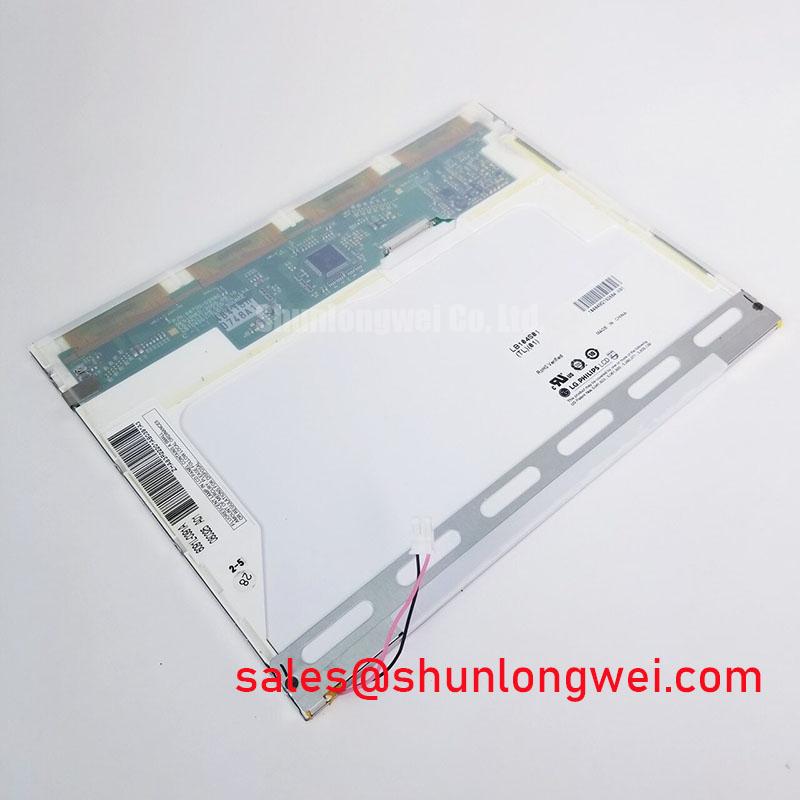
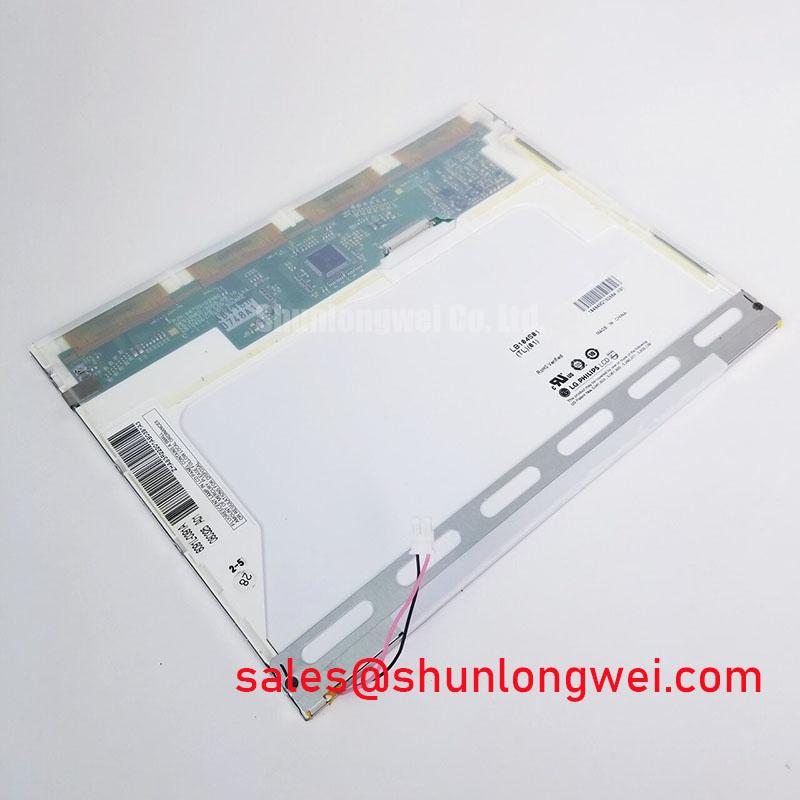
LG Philips LB104S01-TD01 10.4″ SVGA Industrial TFT-LCD
Reliable Visual Integration for Industrial Systems
The LG Philips LB104S01-TD01 is a 10.4-inch a-Si TFT-LCD module engineered for consistent and reliable performance in industrial human-machine interfaces (HMIs) and control systems. It delivers proven visual clarity and an extended operational life, centered on a robust and widely supported technology platform. This display provides a dependable foundation for systems where long-term availability is a primary engineering objective.
- Core Specifications: 10.4-inch Diagonal | 800×600 SVGA Resolution | 50,000-Hour Backlight Life
- Key Advantages: Ensures long-term operational availability, reducing maintenance cycles. Simplifies system integration with a standard LVDS interface.
Download Official Datasheet (PDF)
Technical Analysis for System Longevity
A critical parameter for any industrial display is the longevity of its illumination source. The LB104S01-TD01 integrates a single Cold Cathode Fluorescent Lamp (CCFL) backlight system with a typical lifetime of 50,000 hours. This figure, defined as the time to 50% brightness decay, translates to over 5.7 years of continuous 24/7 operation. For engineers designing systems deployed in manufacturing floors or critical infrastructure, this extended lifespan directly contributes to a lower total cost of ownership by minimizing downtime and field service requirements. For a deeper understanding of backlight management, explore our guide on the proactive management of industrial LCD backlight lifespan.
The module’s interface and optical structure are based on proven, stable technologies. It utilizes a standard 1-channel, 6-bit LVDS (Low Voltage Differential Signaling) interface, which ensures robust data transmission with low electromagnetic interference (EMI). Think of the LVDS interface as a dedicated, noise-resistant highway for video data; this is essential for maintaining signal integrity in electrically noisy industrial settings. The 800×600 SVGA resolution on a 10.4-inch active area provides a pixel density sufficient for clear and readable graphical user interfaces, making it a reliable drop-in solution for both legacy system upgrades and new designs.

Optimized Application Scenarios
The specific combination of size, resolution, and durability in the LB104S01-TD01 makes it well-suited for several industrial use cases.
- Industrial HMI Panels: The 10.4″ form factor and SVGA resolution are a standard for machine control interfaces, providing ample space for virtual buttons, status indicators, and data readouts.
- Process Control Systems: The 50,000-hour backlight life ensures dependable, continuous operation required for monitoring critical processes without frequent servicing.
- Test and Measurement Equipment: The standard LVDS interface allows for straightforward integration into custom-built instruments, while the anti-glare surface treatment improves readability under varied lighting conditions.
- Legacy System Sustainment: As a replacement for older 10.4″ SVGA panels, its common interface and mechanical footprint can simplify the repair and life extension of existing industrial equipment.
This display is best matched for systems requiring proven SVGA visual performance and long-term reliability with minimal scheduled maintenance.
Key Specifications of the LB104S01-TD01
| Display & Optical Characteristics | |
|---|---|
| Panel Type | a-Si TFT-LCD, Transmissive |
| Active Area | 211.2(H) × 158.4(V) mm |
| Resolution | 800(RGB) × 600 [SVGA] |
| Luminance | 230 cd/m² (Typ.) |
| Contrast Ratio | 300:1 (Typ.) |
| Viewing Angle | 60/60/40/60 (L/R/U/D) |
| Color Depth | 262K (6-bit) |
| Backlight | 1 pcs CCFL, 50K hours (Typ.) |
| Interface & Electrical | |
| Interface Type | LVDS (1 ch, 6-bit) |
| Logic Supply Voltage (VCC) | 3.3V (Typ.) |
| Mechanical & Environmental | |
| Outline Dimensions | 243.0(W) × 185.1(H) × 11.0(D) mm |
| Operating Temperature | 0 ~ 50 °C |
| Storage Temperature | -20 ~ 60 °C |
| Surface Treatment | Anti-glare |
Engineer FAQ
What is the specified backlight lifetime of the LB104S01-TD01 and how is it defined?
The datasheet specifies a typical lamp lifetime of 50,000 hours. This is defined as the operating time until the CCFL lamp’s luminance decreases to 50% of its initial value when measured under standard operating conditions (25°C).
What are the key considerations for thermal management when integrating this display?
The module’s specified operating range is 0 to 50°C. System designers must ensure the enclosure provides sufficient ventilation or cooling to maintain the display’s surface temperature within this range during operation. Exceeding this temperature can accelerate the aging of the CCFL backlight and other electronic components, reducing the overall product lifespan. Effective thermal management for industrial display reliability is critical.
What type of inverter is required for the CCFL backlight?
The datasheet indicates that an external inverter is required to power the CCFL lamp. It specifies a lamp voltage of 620 Vrms and a lamp current of 6.0 mA rms (typical). The inverter must be capable of supplying these values. For optimal lamp life and display performance, the inverter’s output waveform should be a clean sine wave with low asymmetry and distortion.
Is this display suitable for outdoor applications?
With a typical brightness of 230 cd/m² and an operating temperature range up to 50°C, the LB104S01-TD01 is intended for indoor industrial environments. It is not rated for direct sunlight readability or the wide temperature swings associated with outdoor use. For applications exposed to sunlight, a display with higher brightness and specialized optical coatings would be required. More details can be found in our technical guide to sunlight readability.
Design & Integration
The LB104S01-TD01 provides a stable and durable display solution for a wide array of industrial machinery and instrumentation. Its balance of a standard SVGA/LVDS platform with a high-longevity backlight empowers engineers to develop reliable systems with extended operational lifecycles, reducing future maintenance costs and enhancing end-user satisfaction.