Toshiba LTD121C30S: A Technical Review for Industrial Applications
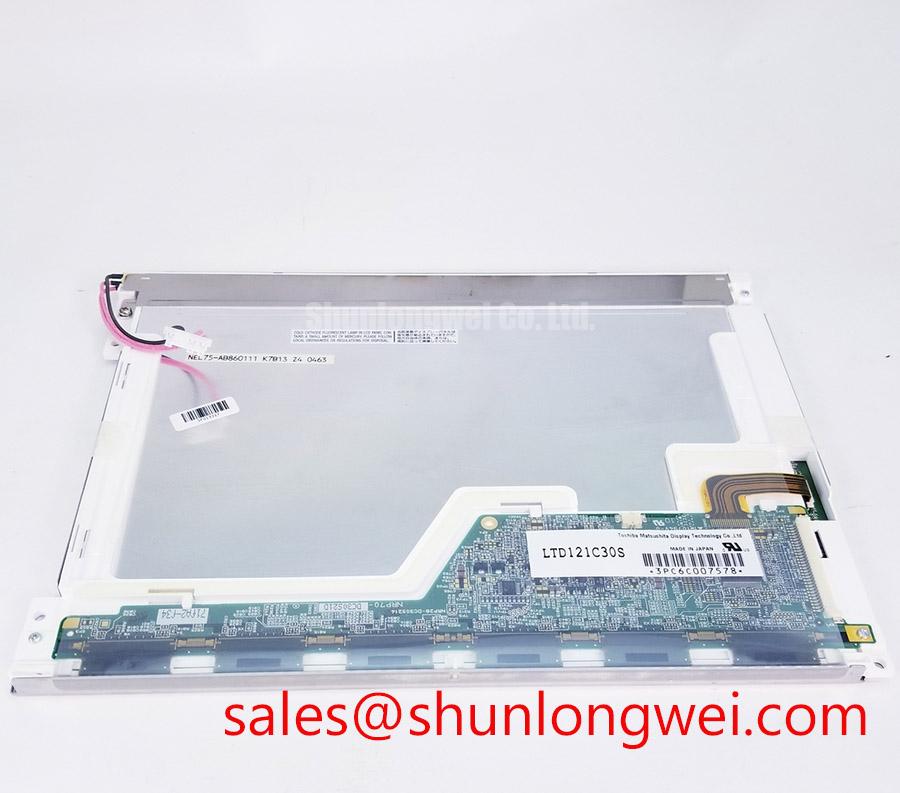
Toshiba LTD121C30S 12.1″ SVGA Industrial TFT-LCD Module
Introduction and Core Highlights
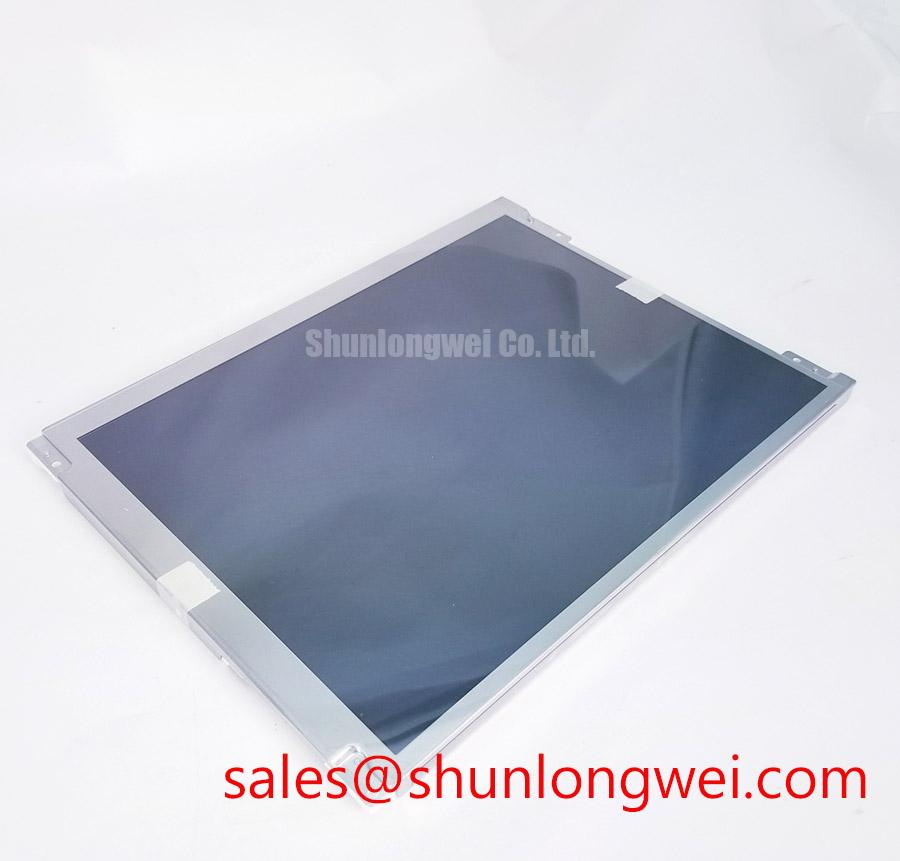
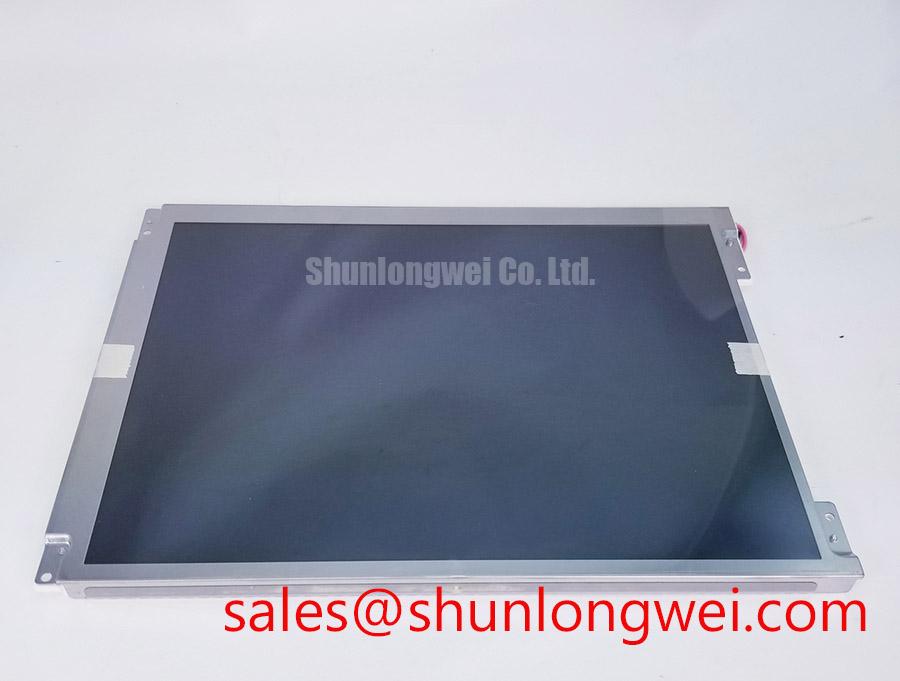
The Toshiba LTD121C30S is a 12.1-inch a-Si TFT-LCD module engineered for operational reliability in industrial applications. It provides a stable and consistent visual interface defined by its robust construction, wide operating temperature range, and integration-focused design. With a standard SVGA resolution, it serves as a durable component for long-lifecycle systems.
- Core Specifications: 12.1″ Diagonal | 800×600 SVGA | -10°C to +70°C Operating Range
- Key Engineering Advantages: Features an anti-glare surface for readability in various lighting conditions and a standard 18-bit (6-bit/color) RGB interface for straightforward system integration.
This module’s design directly addresses the need for a dependable display in environments where temperature fluctuations and long service hours are the norm. For detailed electrical and mechanical data, refer to the official documentation.
Download the Official Datasheet (PDF)
Technical Analysis for Industrial Environments
The engineering choices behind the LTD121C30S are centered on durability and performance in non-consumer settings. The specified operating temperature range of -10°C to +70°C ensures that the display can function reliably in environments without climate control, such as factory floors, outdoor-housed equipment, or vehicles. This wide range is crucial for preventing slow response times at low temperatures and avoiding material degradation at high temperatures, which is a key aspect of industrial LCD reliability.
The module’s typical contrast ratio of 300:1, combined with an anti-glare surface treatment, provides functional clarity for industrial user interfaces. While not intended for high-fidelity media, this level of contrast is effective for displaying alphanumeric data, status indicators, and control schematics with good legibility. Think of the contrast ratio as the display’s ability to make text stand out from its background; a 300:1 ratio is like clear black print on a white page, sufficient for most HMI tasks.
A key integration feature is the replaceable CCFL backlight, which has a typical lifetime of 50,000 hours to half-brightness. This specified lifespan allows maintenance schedules to be planned, a critical factor in industrial systems where uptime is paramount. The inclusion of an onboard inverter simplifies the power delivery system, requiring only a single 12V input, thereby streamlining the design process. More insights on backlight management can be found in our guide to proactive backlight lifespan management.
Optimized Application Scenarios
The LTD121C30S is well-suited for a range of specific industrial and commercial applications where reliability and a standard format are more critical than cutting-edge resolution.
- Industrial Control Panels & HMIs: Its 800×600 SVGA resolution and robust temperature tolerance make it a dependable choice for legacy and new machine interfaces.
- Medical Monitoring Equipment: The clear data presentation and anti-glare surface are ideal for devices displaying vital statistics or equipment status where readability is crucial.
- Point-of-Sale (POS) Systems: The 12.1-inch form factor is a common size for integrated POS terminals that must operate reliably through long hours in commercial environments.
- Test and Measurement Instruments: A standard RGB interface and solid construction make it a reliable output display for specialized laboratory or field testing equipment.
Its feature set is best matched for applications needing a durable SVGA display with a predictable lifecycle for long-term deployment and serviceability.
Key Specifications of the LTD121C30S
| Parameter | Specification |
|---|---|
| Screen Size | 12.1 inches |
| Resolution | 800(RGB) x 600 (SVGA) |
| Panel Technology | a-Si TFT-LCD, TN, Normally White |
| Luminance | 200 cd/m² (Typical) |
| Contrast Ratio | 300:1 (Typical) |
| Viewing Angle (H/V) | 120° / 90° (Typical, CR≥10) |
| Signal Interface | Parallel RGB (1 ch, 6-bit), 20-pin Connector |
| Backlight System | 1 pcs CCFL with Inverter, 50,000hr lifetime (typ) |
| Operating Temperature | -10°C to +70°C |
| Storage Temperature | -20°C to +80°C |
| Total Power Consumption | 5.6 W (Typical) |
Note: Specifications are based on the official datasheet and are subject to change. Always consult the document for final design decisions.
Engineer’s FAQ
- What are the power and signal connection requirements for the LTD121C30S?
- The module requires a 3.3V supply for the logic board and a 12.0V supply for the integrated CCFL inverter. The video signal is delivered via a 20-pin connector using a standard Parallel RGB interface (1 channel, 6-bit).
- How should the CCFL backlight’s lifespan be handled in a system design?
- The backlight is rated for a typical 50,000 hours of operation before its brightness degrades to 50%. For systems requiring very long service life, designs should either account for this gradual dimming or include provisions for servicing the replaceable CCFL lamp. Understanding the principles of thermal management for industrial displays can also help maximize component lifetime.
- What is the optimal mounting orientation for this display?
- Given the specified viewing angles of 120° horizontally and 90° vertically, the display should be mounted to face the operator as directly as possible. The vertical viewing cone is narrower, so placing the screen at eye level will yield the best image quality and color consistency.
- Is the LTD121C30S compliant with modern environmental standards like RoHS?
- The original datasheet does not explicitly state RoHS compliance, as it predates the widespread adoption of the standard. For new designs requiring RoHS certification, component compliance must be independently verified.
Enabling Long-Term System Viability
The LTD121C30S delivers a focused set of features for industrial applications where a proven, durable SVGA display is required. Its wide operating temperature range and integrated, serviceable backlight system provide engineers with a component that supports long-term field deployment and straightforward maintenance, ensuring operational continuity for the equipment it serves.