Fuji Electric 6DI120D-060: Technical Analysis and Application of the 600V 120A Power Transistor Module
Fuji Electric 6DI120D-060 | 600V 120A Power Transistor Module
Introduction to High-Density Power Switching
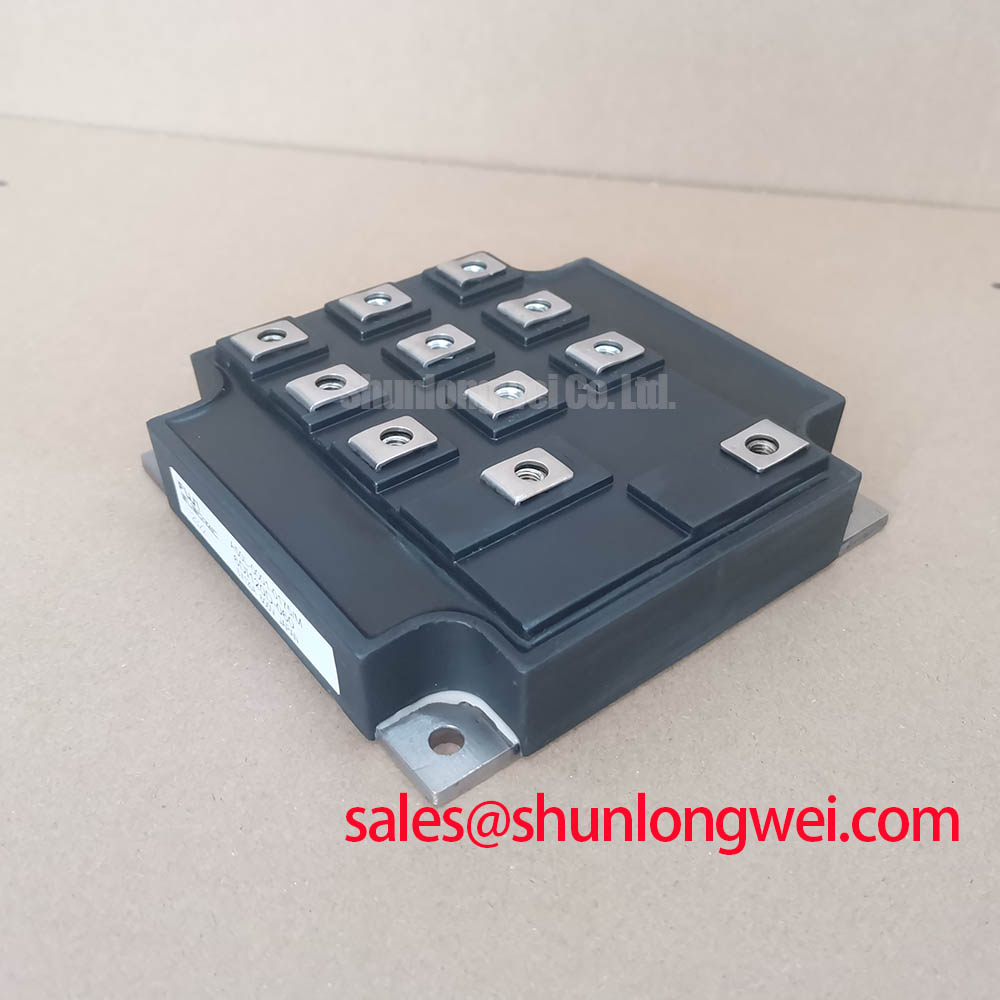
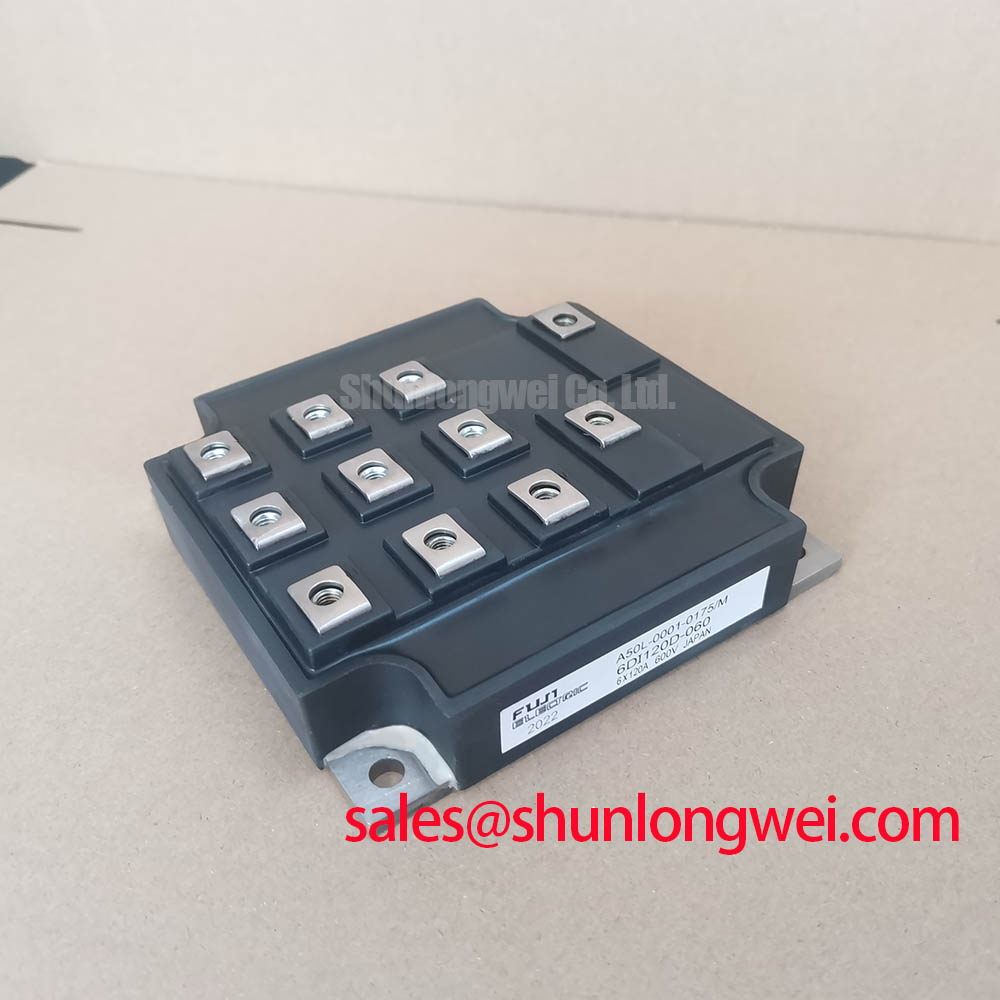
The Fuji Electric 6DI120D-060 is a high-performance 6-pack power transistor module specifically engineered for high-density power switching in industrial environments. Utilizing a Darlington transistor configuration, this module integrates six independent transistor units and their corresponding free-wheeling diodes into a single insulated package, significantly reducing the mechanical footprint required for three-phase bridge circuits. It is primarily characterized by its ability to handle high currents while maintaining low saturation voltages.
- Core Specifications: 600V VCES | 120A IC | VCE(sat) 2.0V (Typical)
- Key Engineering Benefits: Reduced assembly complexity through integrated 6-in-1 topology and high-speed switching capabilities for noise-sensitive drives.
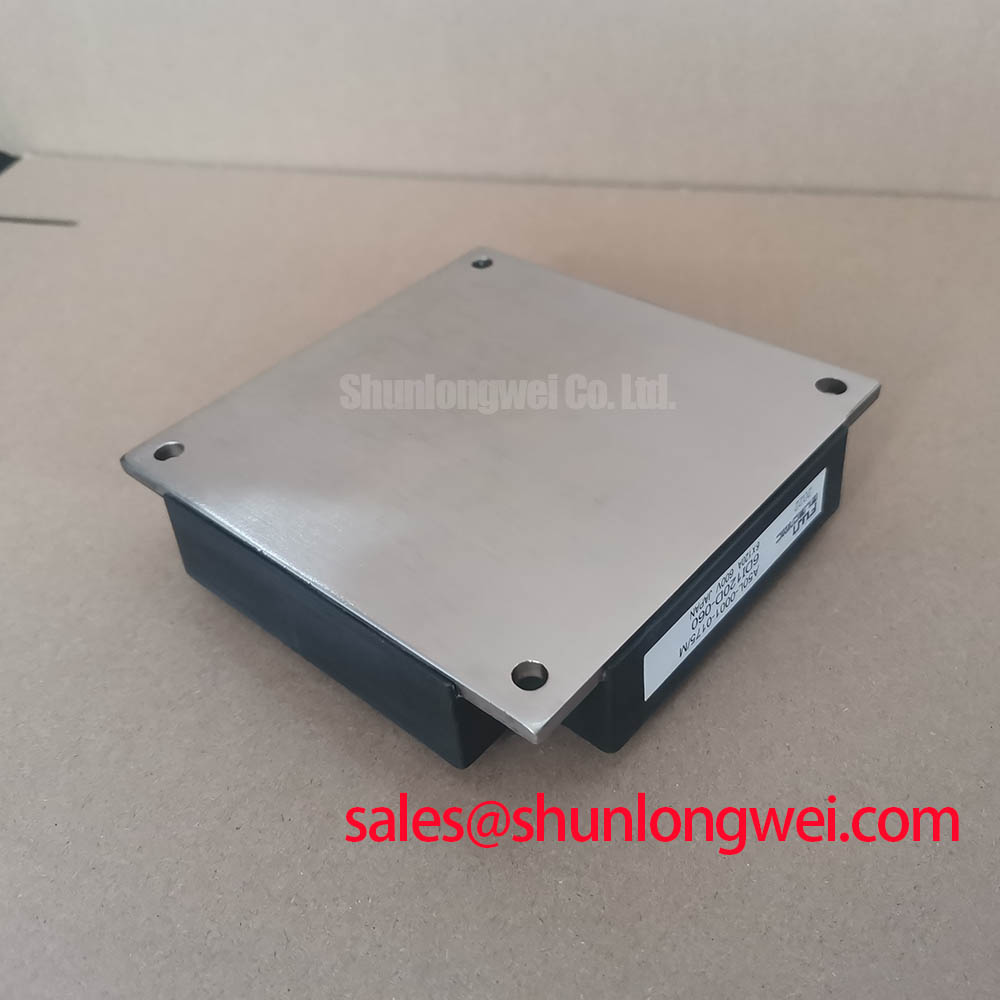
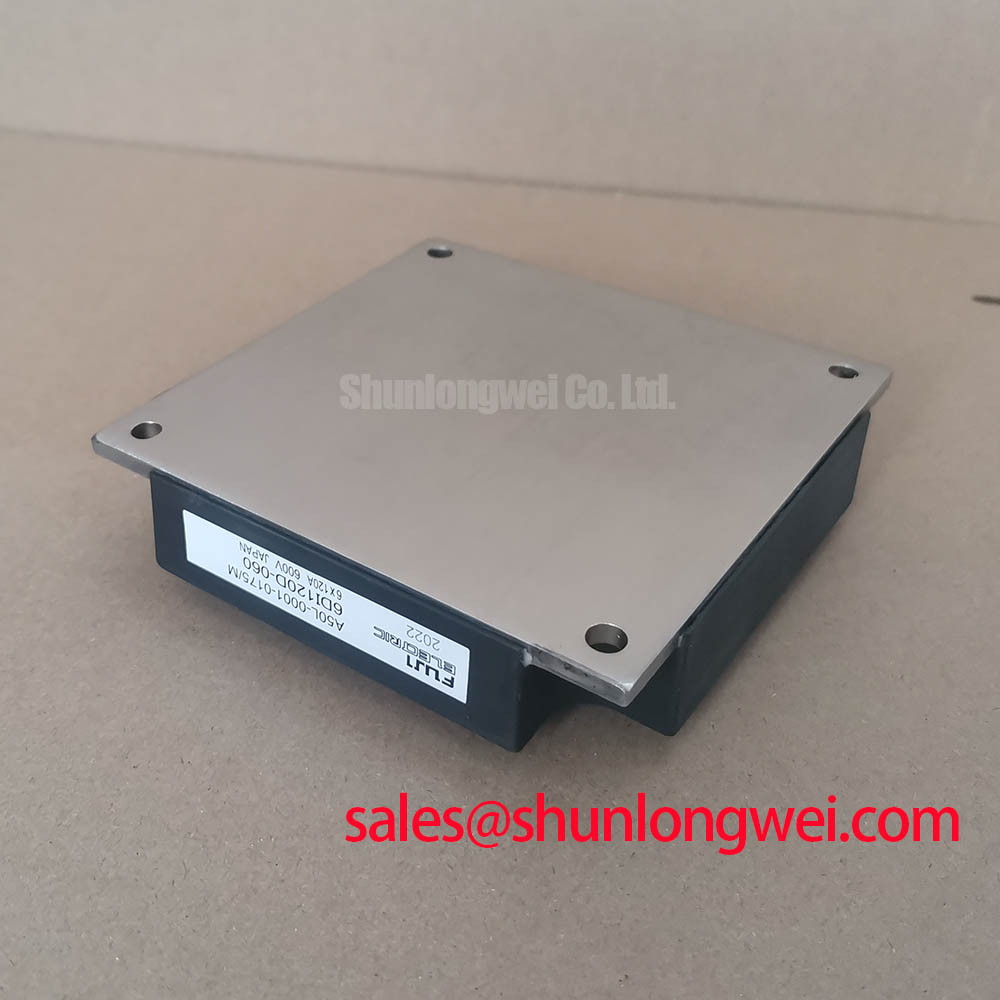
One common challenge engineers face is “how to calculate the appropriate heatsink for a 120A module.” The 6DI120D-060 addresses this through an isolated baseplate design that simplifies thermal coupling to external cooling systems, ensuring efficient heat transfer from the silicon junction to the ambient environment.
Download Official Datasheet (PDF)

Technical Analysis: Efficiency and Thermal Management
The Unique Value Proposition (UVP) of the 6DI120D-060 lies in its optimized Darlington structure. By combining two transistors in a single circuit, the module achieves a very high current gain, which minimizes the gate drive power required to switch 120A loads. This efficiency is critical in reducing the complexity of auxiliary power supplies within an inverter system. Furthermore, the inclusion of integrated free-wheeling diodes with soft-recovery characteristics helps mitigate voltage spikes and electromagnetic interference (EMI) during inductive load switching.
Thermal management is the cornerstone of reliability for the 6DI120D-060. To understand the importance of its thermal resistance rating ($R_{th(j-c)}$), one can use a simple analogy: Think of the module’s thermal path as a highway lane. A lower thermal resistance represents a wider, smoother highway that allows heat to “speed away” from the sensitive silicon junction faster. If the highway is too narrow (high resistance), heat builds up at the source, eventually leading to thermal runaway or catastrophic device failure. The 6DI120D-060’s low $R_{th(j-c)}$ ensures that even under continuous high-current operation, the junction temperature remains within safe limits.
Another critical parameter is the collector-emitter saturation voltage ($V_{CE(sat)}$). For the 6DI120D-060, this value is kept exceptionally low to minimize conduction losses. In high-power applications, even a 0.1V reduction in saturation voltage can lead to a measurable decrease in operating temperature and an increase in overall system efficiency. This makes the module a robust choice for systems where energy conservation and thermal overhead are primary design constraints, particularly in power semiconductors used for industrial automation.
Optimized Application Scenarios
The 6DI120D-060 is a versatile building block for several high-power industrial systems:
- AC Motor Drives: The 6-pack configuration is the ideal topology for three-phase motor control, providing a seamless interface between the DC link and the motor windings.
- Uninterruptible Power Supplies (UPS): Its high reliability and high-speed switching enable precise sine-wave reconstruction during power failure events.
- DC Choppers and Converters: The 120A rating allows for significant overhead when managing high-current DC-to-DC conversion in heavy-duty equipment.
- Servo Drive Systems: The module supports the fast transient response required for precision motion control in robotics and CNC machinery.
Best Match: High-performance 400V AC motor drives requiring a compact, integrated power stage with high current handling and simplified thermal design requirements.
Key Specifications Table
| Parameter Group | Symbol | Typical Value/Rating |
|---|---|---|
| Collector-Emitter Voltage | VCES | 600 V |
| Collector Current (Continuous) | IC | 120 A |
| Collector Power Dissipation (Per Transistor) | PC | 600 W |
| Saturation Voltage (IC=120A) | VCE(sat) | 2.0 V (Typ) |
| Operating Junction Temperature | Tj | -40 to +150 °C |
| Isolation Voltage (AC 1 minute) | Visol | 2500 V |
Engineer FAQ
Q1: What is the primary advantage of using the 6DI120D-060 over discrete IGBTs or transistors?
A: The main advantage is system integration and reliability. By housing all six transistors in one module, parasitic inductance is minimized, thermal tracking between phases is improved, and the bill of materials (BOM) is simplified. This reduces the risk of failure mechanisms associated with complex wiring.
Q2: How should I manage the mounting torque to prevent mechanical stress on the module?
A: Proper mounting torque is essential for maintaining consistent thermal contact. Refer to the datasheet for specific torque values (typically around 3.5 N·m for M5 screws). Uneven pressure can warp the baseplate, leading to air gaps and hotspots. For more information, see our guide on terminal torque importance.
Q3: Can this module be used in systems with high vibrational stress?
A: Yes, the 6DI120D-060 is designed for industrial environments. However, engineers should ensure that the supporting PCB and terminal connections are properly secured to mitigate the effects of mechanical resonance, as detailed in our vibration resistance guide.
Final Engineering Statement
The Fuji Electric 6DI120D-060 represents a robust solution for engineers seeking high-current capabilities in a standardized 6-pack format. Its balance of high current gain, low saturation voltage, and superior thermal isolation makes it an essential component for sustaining the longevity of industrial motor drives and power conversion systems. By focusing on these core electrical facts, design teams can confidently integrate this module into demanding power architectures.