AUO C070FW01 V0: A Technical Overview of the 7.0-inch Industrial Analog TFT-LCD Module
AUO C070FW01 V0 7.0-inch Industrial Analog TFT-LCD Module
Introduction and Engineering Highlights
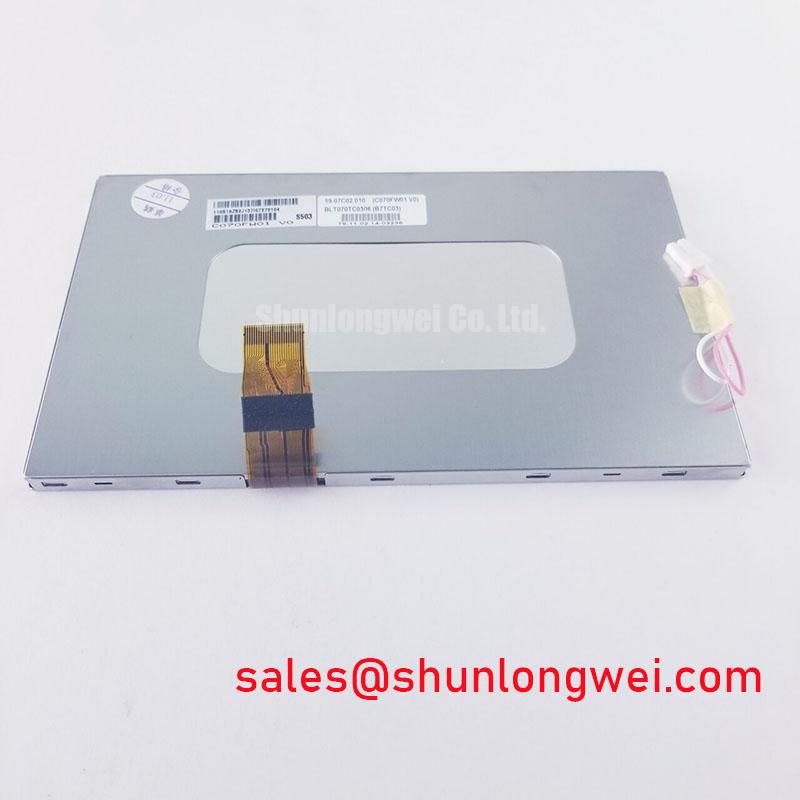
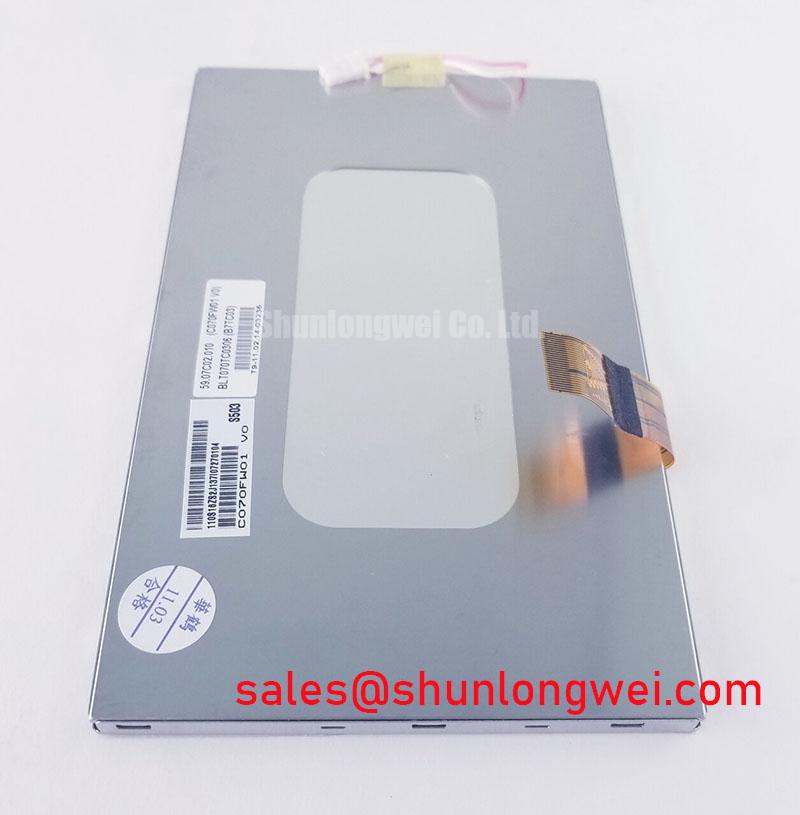
The AUO C070FW01 V0 is an amorphous silicon TFT-LCD (Thin Film Transistor Liquid Crystal Display) module characterized by its 7.0-inch diagonal screen and transmissive display mode. This module is specifically engineered to provide consistent visual output in environments with significant thermal fluctuations, supporting an operating temperature range from -20°C up to +70°C. Primarily utilized in legacy system upgrades and specialized industrial equipment, it employs an analog RGB interface to maintain compatibility with older signal processing architectures.
- Core Specifications: 480×234 Resolution | 400 cd/m² Brightness | Analog RGB Interface
- Key Engineering Values: Wide thermal tolerance ensures stable liquid crystal response in outdoor or unconditioned indoor settings; mechanical slimness facilitates integration into space-constrained enclosures.
- Design Question: How does the CCFL backlight impact the thermal profile of the assembly? The single CCFL tube used in the C070FW01 V0 is positioned to optimize thermal management, reducing localized hotspots that can lead to mura or liquid crystal degradation.
Download Official C070FW01 V0 Datasheet (PDF)
Technical Analysis of Optical and Mechanical Performance
The C070FW01 V0 utilizes a TN (Twisted Nemative) Normally White display mode. One of the most critical parameters for this module is its Aperture Ratio. In display engineering, the aperture ratio can be compared to the effective glass area of a window frame; the higher the ratio, the more light can pass through from the backlight without requiring higher lamp voltage. This efficiency is vital for maintaining the 400-nit luminance while keeping the CCFL power consumption within specified limits.
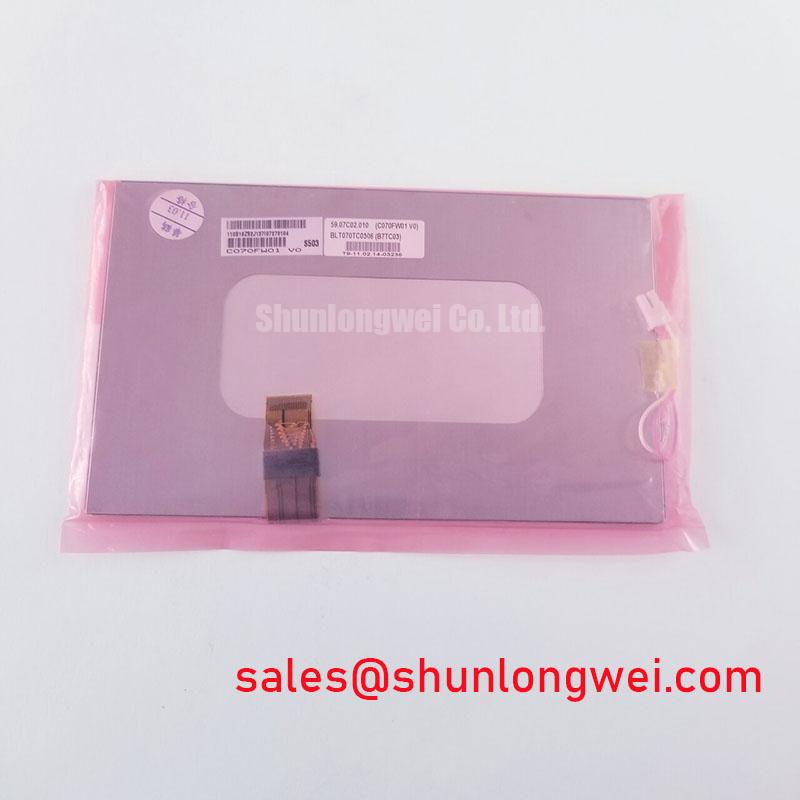
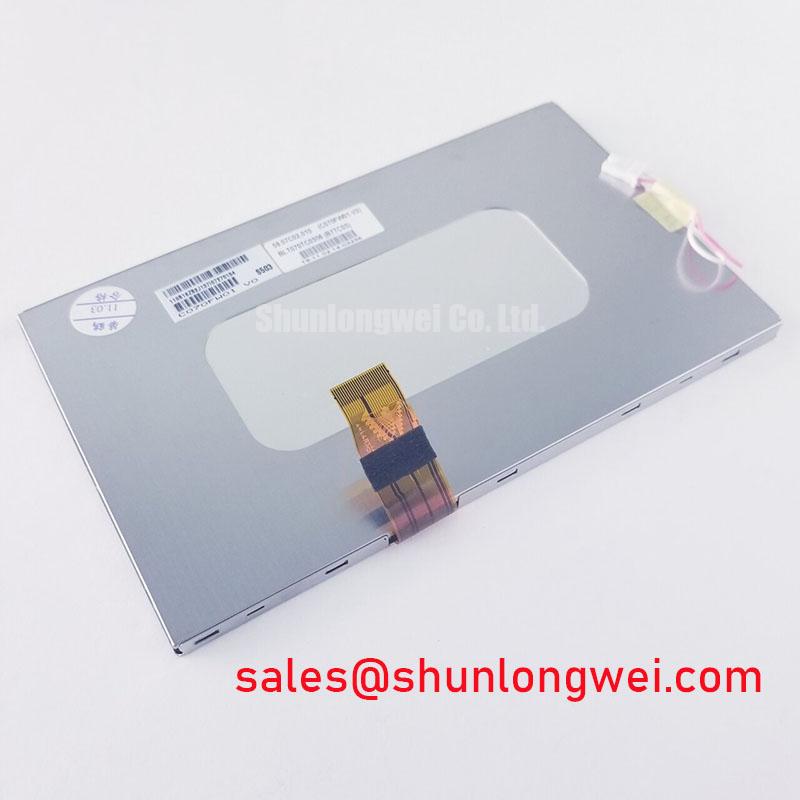
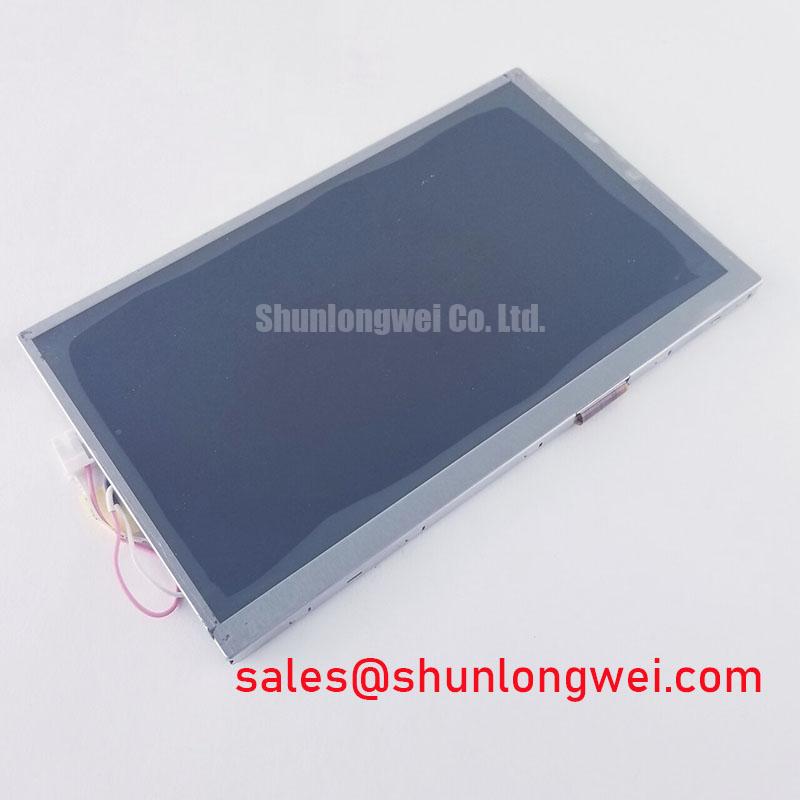
The integration of an Anti-Glare (AG) surface treatment with a 3H hard coating is essential for industrial LCD core technology implementation. This treatment diffuses ambient light reflections, preventing “mirror effects” in bright environments. Mechanically, the module features an active area of 154.08 x 86.58 mm within an overall outline dimension that emphasizes a low-profile depth, allowing it to fit into handheld testing devices or vehicle dashboards where internal clearance is minimal.
Optimized Application Scenarios
- Legacy HMI Replacements: The Analog RGB interface is ideal for maintaining older control systems without requiring a complete controller board redesign.
- Automotive Navigation & Monitoring: With its wide operating temperature and 400-nit brightness, it remains readable in vehicle cabins exposed to direct sunlight and extreme cold.
- Marine Electronics: The high contrast and AG coating assist in visibility for sonar or GPS data in humid, high-glare maritime environments.
- Handheld Industrial Testers: The compact weight and mechanical durability support portable diagnostics where vibration and shock resistance are fundamental requirements.
Best Match: The C070FW01 V0 is the primary choice for 7-inch display applications requiring analog signal compatibility and robust thermal resilience.
Key Specifications Table
| Parameter Group | Specification | Value |
|---|---|---|
| Physical | Screen Size | 7.0 inch |
| Resolution | 480 (RGB) x 234 (WQVGA) | |
| Optical | Luminance | 400 cd/m² (Typ.) |
| Contrast Ratio | 300:1 (Typ.) | |
| Response Time | 12/18 ms (Tr/Td) | |
| Electrical | Interface Type | Analog RGB |
| Input Voltage | 3.3V / 5.0V (Logic/T-Con) | |
| Environmental | Operating Temp. | -20 ~ 70 °C |
| Storage Temp. | -30 ~ 80 °C |
Engineer FAQ
Q1: Can the C070FW01 V0 be driven with a digital LVDS signal?
No, this module is strictly an analog RGB display. To use it with digital LVDS or CMOS controllers, an external A/D converter board (analog-to-digital converter) specifically designed for TFT-LCD modules is required.
Q2: What is the typical lifespan of the CCFL backlight?
The CCFL tube in the C070FW01 V0 typically reaches its half-brightness point after 10,000 to 20,000 hours of operation. For extended longevity, engineers should implement PWM dimming through the inverter board to reduce lamp wear during idle periods.
Q3: How should I handle mounting to avoid mechanical stress?
The module should be mounted using the provided screw holes on the metal bezel. Ensure that the mounting surface is flat to prevent “twisting” the glass substrate, which can cause color distortion or light leakage at the edges.
The AUO C070FW01 V0 remains a vital component for industrial applications where analog signal integrity and environmental endurance are paramount. By balancing mechanical slimness with a wide operating temperature, it provides a stable platform for visualization in rigorous field conditions.