Sharp LQ065T9DZ03A: A Rugged 6.5-Inch WQVGA TFT-LCD for Extreme Environments
Sharp LQ065T9DZ03A 6.5-Inch WQVGA Industrial TFT-LCD Display
Introduction and Key Features
The Sharp LQ065T9DZ03A is an automotive-grade 6.5-inch active-matrix color liquid crystal display. This display module is highly regarded in the LCD Core Technology sector for its long-term durability. With a widescreen WQVGA resolution of 400×240, it is specifically configured to provide steady visual output in highly demanding environments where standard commercial panels fail.
- Core Specifications: 6.5″ Diagonal | 400 x 240 Pixels | 16:9 Aspect Ratio
- Engineering Advantages: Highly robust mechanical frame, excellent thermal range, and straightforward parallel driver integration.
- Daylight Performance: Features an anti-glare polarizer coating that preserves legibility under bright sunlight.
Download Official Sharp LQ065T9DZ03A Datasheet (PDF)
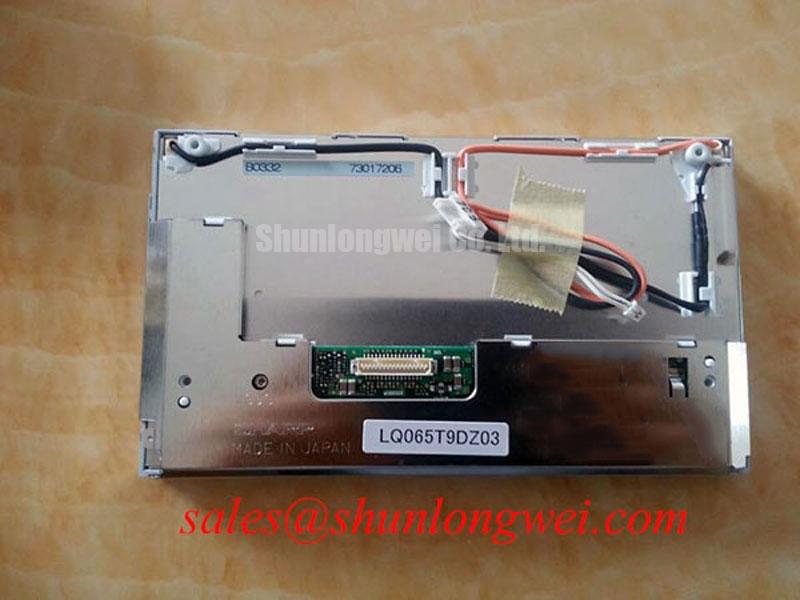
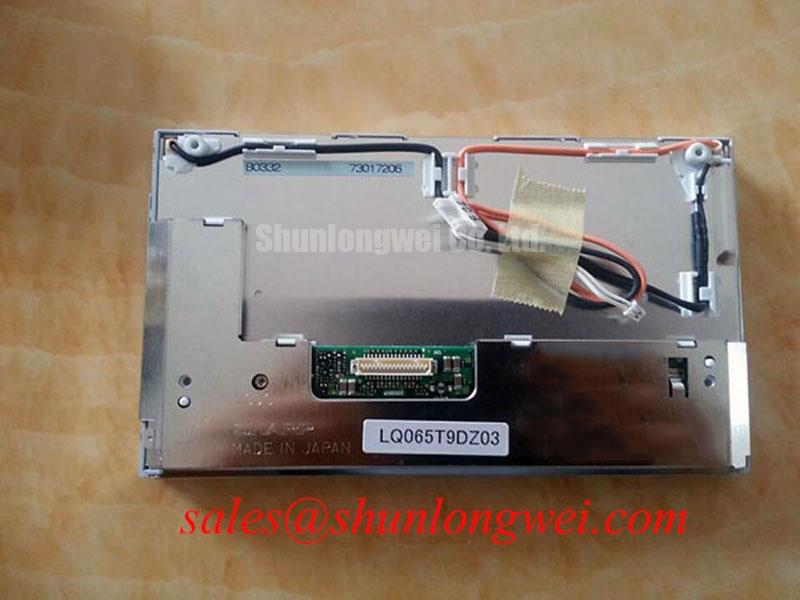
Technical Analysis of Thermal and Optical Performance
The primary engineering feature of the LQ065T9DZ03A is its wide operating temperature range of -30°C to +85°C. In extreme sub-zero conditions, liquid crystal fluids typically become highly viscous. This sluggishness causes slow pixel response times and ghosting effects. Sharp resolves this issue in the LQ065T9DZ03A by utilizing low-viscosity liquid crystal mixtures, ensuring crisp transitions even at -30°C.
Think of the liquid crystal layer as engine oil. Standard oil thickens in winter, making the engine hard to start. The specialized fluid in this panel behaves like synthetic low-temperature oil, remaining highly fluid to ensure immediate, error-free pixel switching during cold-start and extreme temperature operation.
The optical system features a typical luminance of 400 cd/m² and a Contrast Ratio of 400:1. These metrics, combined with a horizontal Viewing Angle of 130 degrees, ensure the display is readable from off-center mounting positions, which is common in vehicular dashboards.

Optimized Application Scenarios
The mechanical and thermal properties of the LQ065T9DZ03A make it highly suitable for specific industrial and transportation uses:
- Automotive Instrument Clusters: High reliability under direct solar heating and extreme cold.
- Heavy Machinery Dashboards: Structural design offers robust resistance to environmental stresses, aligning with top shock and vibration resistance guidelines.
- Industrial Outdoor Terminals: Anti-reflective treatment ensures screen visibility under variable daylight conditions.
Best Match: The LQ065T9DZ03A is best suited for legacy vehicular retrofits and industrial outdoor monitors requiring consistent performance between -30°C and +85°C.
Key Specifications Parameter Table
| Category | Parameter | Value / Specification |
|---|---|---|
| Physical | Diagonal Size | 6.5 inches (17 cm) |
| Outline Dimensions | 155.0(W) x 89.2(H) x 7.5(D) mm | |
| Active Area | 143.4(W) x 79.32(H) mm | |
| Optical | Resolution | 400 (RGB) x 240 (WQVGA) |
| Luminance (Typical) | 400 cd/m² | |
| Contrast Ratio | 400:1 | |
| Viewing Angle (H/V) | 130° / 105° | |
| Electrical & Thermal | Signal Interface | Parallel RGB (18-bit, 31-pin) |
| Operating Temperature | -30°C to +85°C |
Engineer FAQ
Q1: What interface does the Sharp LQ065T9DZ03A use, and how is it connected?
The module features an 18-bit parallel RGB interface. Connections are made via a standard FPC/FFC connector, which enables straight integration with most industrial microcontrollers and graphic processors.
Q2: Is the LQ065T9DZ03A suitable for extreme cold outdoor applications?
Yes. With an operational limit down to -30°C, the display fluid is engineered to prevent crystal freezing, allowing rapid response times during winter cold-start cycles.
Q3: How does the display handle direct glare in vehicular cabins?
The front polarizer is finished with an anti-glare and hard-coating treatment. This scatters direct reflections, helping engineers maintain high contrast levels in highly exposed mounting spaces.
Reliability and Integration Target
The Sharp LQ065T9DZ03A display remains a trusted option for developers requiring extreme environmental reliability. Its robust mechanical design, coupled with high-efficiency optical transmission, ensures that critical system parameters are legibly conveyed under any operational conditions. Engineers can implement this module to satisfy stringent automotive-grade thermal specifications without resorting to complex, bulky shielding.