AUO G150XG03 V4: A Reliable 15.0-Inch XGA Industrial TFT-LCD Display
AUO G150XG03 V4 15.0-Inch XGA Industrial TFT-LCD Display
Reliable Industrial Visualization for Legacy and Modern Systems
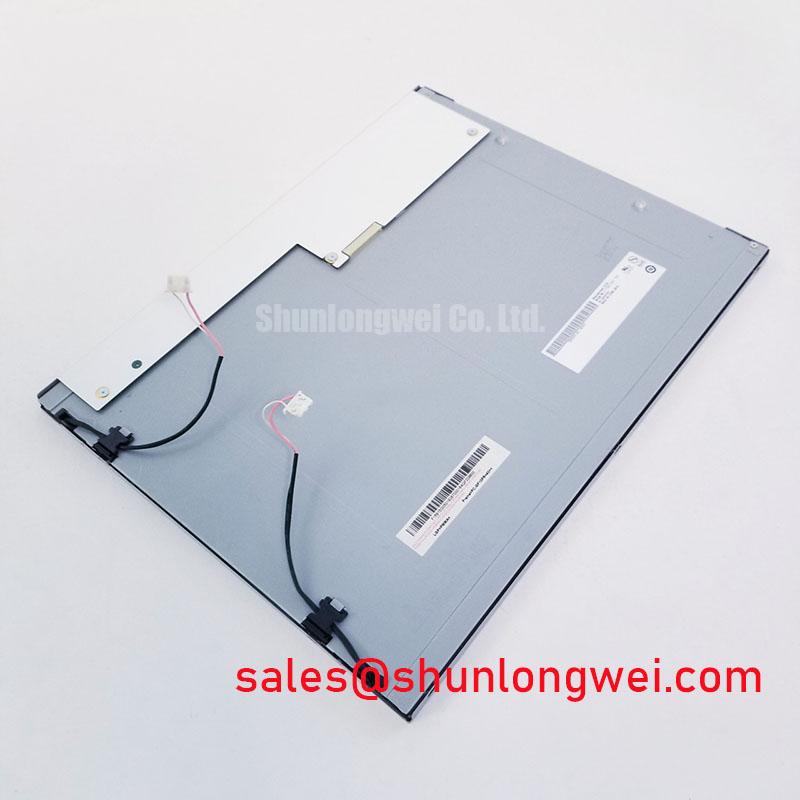
The G150XG03 V4 is an industrial-grade, active-matrix liquid crystal display designed by AUO to deliver stable transmissive performance. This 15.0-inch panel offers consistent legibility and structured durability in demanding environment control rooms and factory floors.
- Core Technical Specs: 15.0″ Diagonal | 1024×768 XGA Resolution | 350 cd/m² Luminance | 700:1 Contrast Ratio
- Engineering Benefits: Extended backlight operating life and stable LVDS communication path.
- Application Match: Serves as a standard drop-in replacement for legacy 4:3 industrial console screens.
Download Official G150XG03 V4 Datasheet (PDF)


Technical Performance and Optical Precision
The display panel utilizes amorphous silicon thin-film transistor technology to drive a standard XGA resolution. This setup maintains pixel layout consistency. The optical performance relies on a transmissive display mode that is normally white. This structure is integrated into the foundation of modern LCD core technology to prevent color inversion during off-axis observation.
Consider the contrast ratio as the clear boundary between dark ink and white paper. The higher the contrast ratio, the easier it is to read text under varied lighting conditions without eye fatigue. With a 700:1 contrast ratio, the G150XG03 V4 delivers sharp distinction between foreground data and dark backgrounds. This is highly useful in dimly lit manufacturing cells.
Operating temperature resilience spans from -10°C up to 65°C. This allows the system to run continuously without thermal-induced luminance degradation. The display also incorporates anti-glare surface treatments with a 3H hard coating. This prevents ambient reflections from obscuring critical real-time operating metrics.

Industrial Application Suitability
- Smart Factory HMIs: Integrates cleanly into standard setups matching modern smart factory HMI specifications.
- CNC Machining Centers: Serves as a mechanical replacement for older G150XG03 V1 version monitors in legacy workshops.
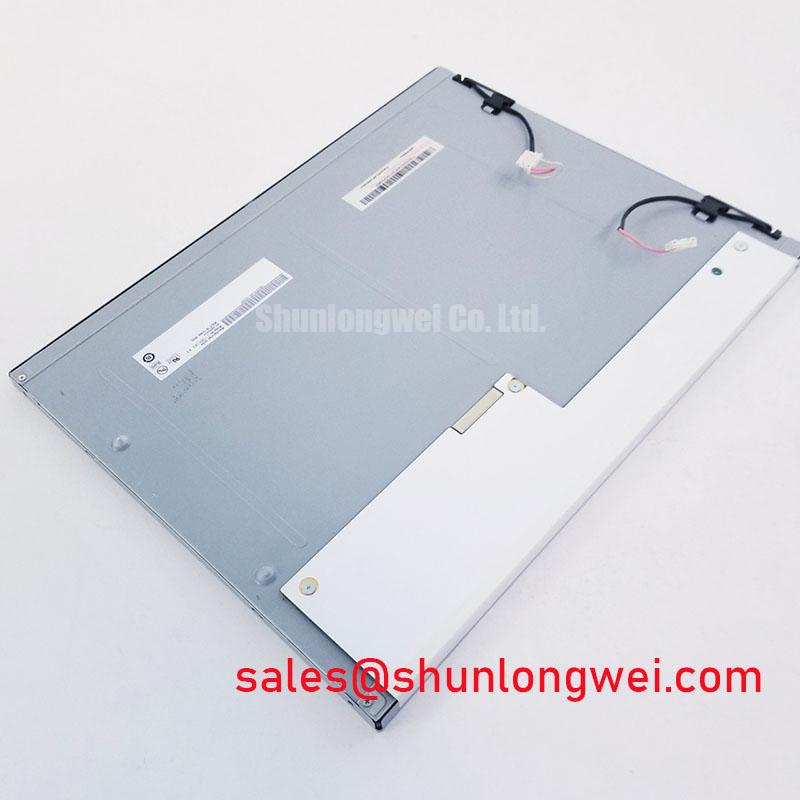
- Automation Control Cabinets: Heavy-duty metal bezel resists structural stress during installation and long-term use.
Best Match: Optimal for industrial workstations requiring a 4:3 aspect ratio, 20-pin LVDS interface, and continuous transmissive optical performance under fluctuating factory temperatures.
Key Specifications Table
| Parameter Group | Specification Parameter | Rated Value / Detail | |
|---|---|---|---|
| Optical & Display | Diagonal Size | 15.0 inches (38 cm) | |
| Active Area Resolution | 1024 x 768 (XGA) | Luminance (Brightness) | 350 cd/m² (Typical) |
| Contrast Ratio | 700:1 (Typical) | ||
| Color Gamut Support | 60% NTSC | ||
| Interface & Power | Signal Interface Type | LVDS (1 channel, 6-bit / 8-bit) | |
| Pin Configuration | 20-pin Connector | ||
| Power Input Voltage | 3.3V (Typical) | ||
| Thermal & Mechanical | Operating Temperature Range | -10°C to +65°C | |
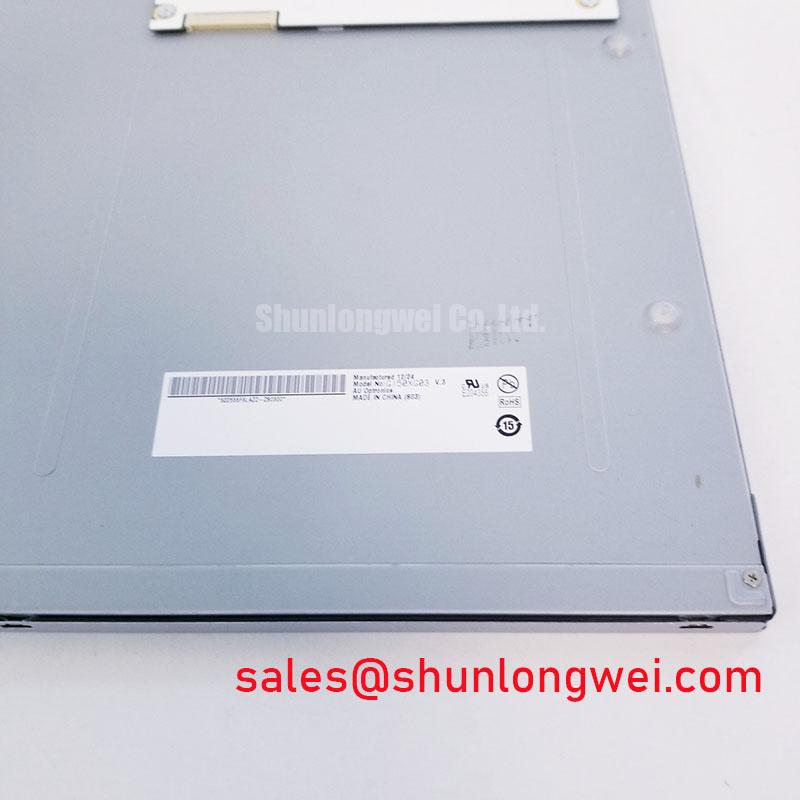
| Physical Outline Dimensions | 326.5 x 253.5 x 12.0 mm (Typical) |
Engineer FAQ
What cable interface does the G150XG03 V4 use for video input?
The panel accepts video input via a 20-pin LVDS (Low Voltage Differential Signaling) interface. This configuration supports both 6-bit and 8-bit color data depths. This helps prevent digital noise across longer cable runs inside electrical enclosures.
Can this display withstand structural shock and vibration?
Yes, the steel frame housing provides a stable mechanical platform. This layout mitigates resonance on machine-mounted arms. For detailed testing parameters, refer to our technical guide on vibration and shock resistance for industrial displays.
Is the backlight unit dimmable?
Yes, the backlight can be dimmed via the appropriate input driver signal. This allows operators to adjust the light output for comfortable viewing in both bright and dim environments.
Functional Lifecycle Support
The G150XG03 V4 provides hardware compatibility and long-term functional stability for industrial visualization systems. By maintaining standard XGA dimensions and electrical interfaces, it remains a reliable choice for engineers retrofitting legacy equipment or designing long-lifecycle display consoles.