Samsung LTA104S1-L01 10.4-Inch SVGA Industrial TFT-LCD Module Overview
Samsung LTA104S1-L01 10.4-Inch SVGA Industrial TFT-LCD Module
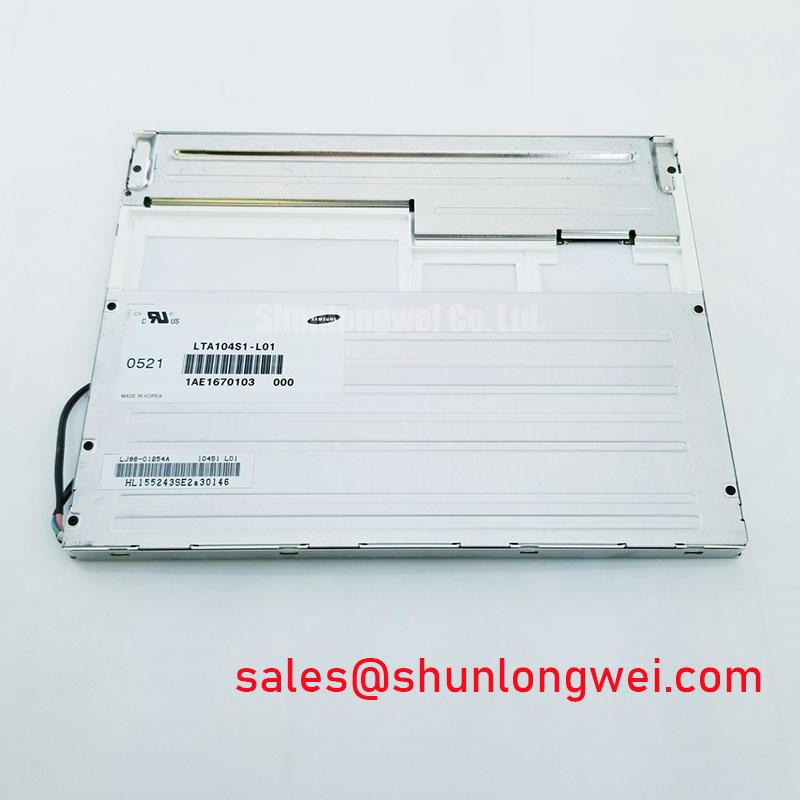
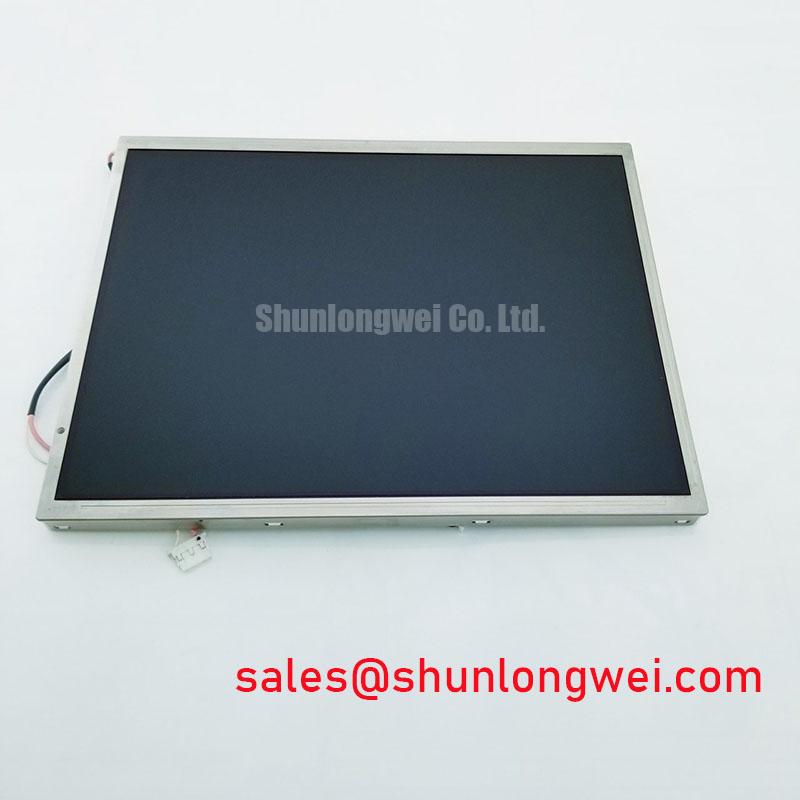
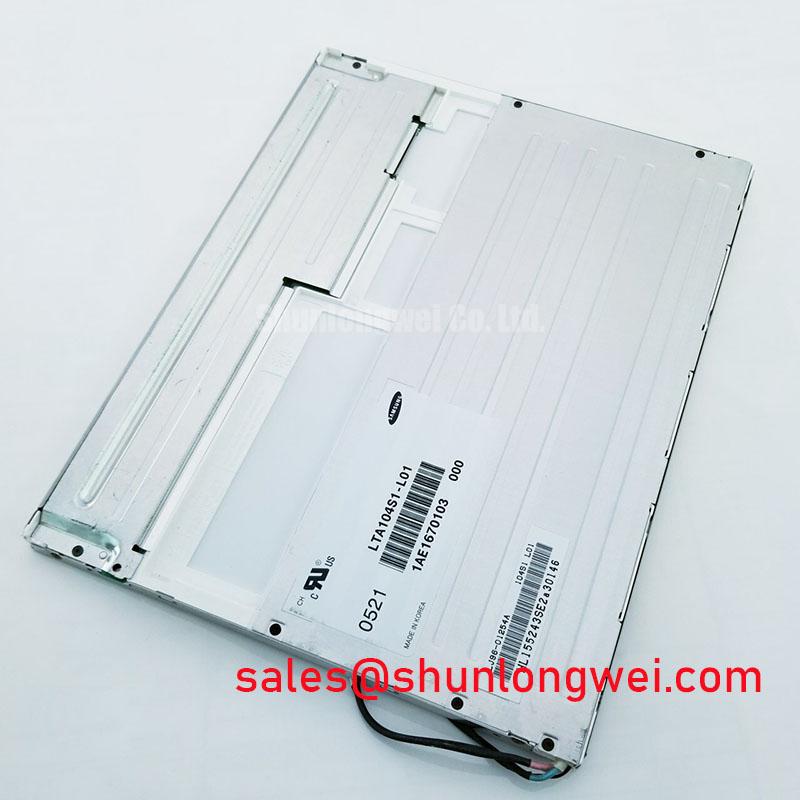
The Samsung LTA104S1-L01 is a legacy 10.4-inch TFT-LCD module displaying SVGA resolution. It provides a stable 400 cd/m² luminance output, facilitating readable visualization under varying ambient lighting conditions. Industrial engineers frequently select this component when upgrading or sustaining smart factory HMI installations due to its consistent signal timing profile.
- Core Specifications: 10.4″ Diagonal | 800 x 600 Resolution | 500:1 Contrast Ratio
- Key Engineering Value: Predictable signal path stability, minimized electromagnetic interference (EMI), and straightforward integration with standard 6-bit LVDS controllers.
Download Samsung LTA104S1-L01 Datasheet (PDF)
Technical Analysis of Optical and Electrical Stability
The LTA104S1-L01 relies on an active matrix liquid crystal structure utilizing amorphous silicon TFTs. The module is configured for 262,144 colors (6-bit color depth), producing smooth color gradients for industrial monitoring software. Operating with a typical contrast ratio of 500:1, the display distinguishes fine graphical details clearly.
Think of the contrast ratio as a high-precision scale. Just as a fine scale registers slight weight shifts, a 500:1 ratio separates whites from deep grays. This prevents operators from misinterpreting process curves or emergency indicators on factory screens.
Signal transmission occurs via a single-channel LVDS interface. This standard minimizes cable count and harnesses differential signaling to suppress common-mode noise. For operations subject to heavy machinery interference, this design guarantees clean data paths. The panel chassis also factors in mechanical durability. Designers can review options like vibration and shock resistance for industrial displays to safeguard system components against factory floor resonance.
Optimized Application Scenarios
- Machine HMIs (Factory Automation): The 400 nits brightness ensures visibility next to high bay lighting.
- Medical Diagnostic Terminals: Precise 800×600 resolution and 262K colors support accurate data trends.
- Legacy CNC Monitors: The 10.4-inch form factor matches standard retrofitting envelopes.
- Test & Measurement Equipment: Low power consumption (typically 3.3V logic) simplifies portable console design.
This LTA104S1-L01 SVGA display serves as a stable visual component for mid-sized industrial monitoring systems requiring predictable legacy interface compatibility.
Key Specifications Parameter Table
| Samsung LTA104S1-L01 Technical Specifications | ||
|---|---|---|
| Physical & General Specs | Screen Diagonal | 10.4 inches (26 cm) |
| Active Area | 211.2 (H) x 158.4 (V) mm | |
| Pixel Configuration | RGB vertical stripe | |
| Optical Performance | Native Resolution | 800 x 600 (SVGA) |
| Luminance (typ.) | 400 cd/m² | |
| Contrast Ratio (typ.) | 500:1 | |
| Color Capability | 262,144 colors (6-bit) | |
| Electrical & Interface | Signal Interface | LVDS (1 channel, 6-bit) |
| Logic Supply Voltage (Vdd) | 3.3 V (typical) | |
| Backlight Unit | 2 CCFL (Cold Cathode Fluorescent Lamp) | |
Engineer FAQ
Q1: How does the LVDS interface benefit legacy system integration?
A1: The single-channel, 6-bit LVDS interface reduces connection lines, which mitigates skew and signal attenuation. This ensures stable data delivery over longer runs than parallel CMOS alternatives.
Q2: What is the typical logic supply voltage for the LTA104S1-L01 display panel?
A2: The module logic requires a nominal supply voltage of 3.3V. Backlight drivers must be sourced separately to power the dual CCFL lamps.
Q3: How should system designers manage the operating temperature range?
A3: The panel operates reliably within a temperature range of 0°C to 50°C. For extreme cold or hot environments, auxiliary heating elements or active thermal management may be necessary.
Sustaining legacy infrastructure demands component consistency. The Samsung LTA104S1-L01 offers a defined mechanical envelope and stable optical parameters to ensure ongoing reliability without necessitating costly system redesigns.