Optrex DMF5001NY-LY 240×64 Monochrome Graphic LCD: Technical Features and HMI Integration Guide
Optrex DMF5001NY-LY 240×64 Monochrome Graphic LCD
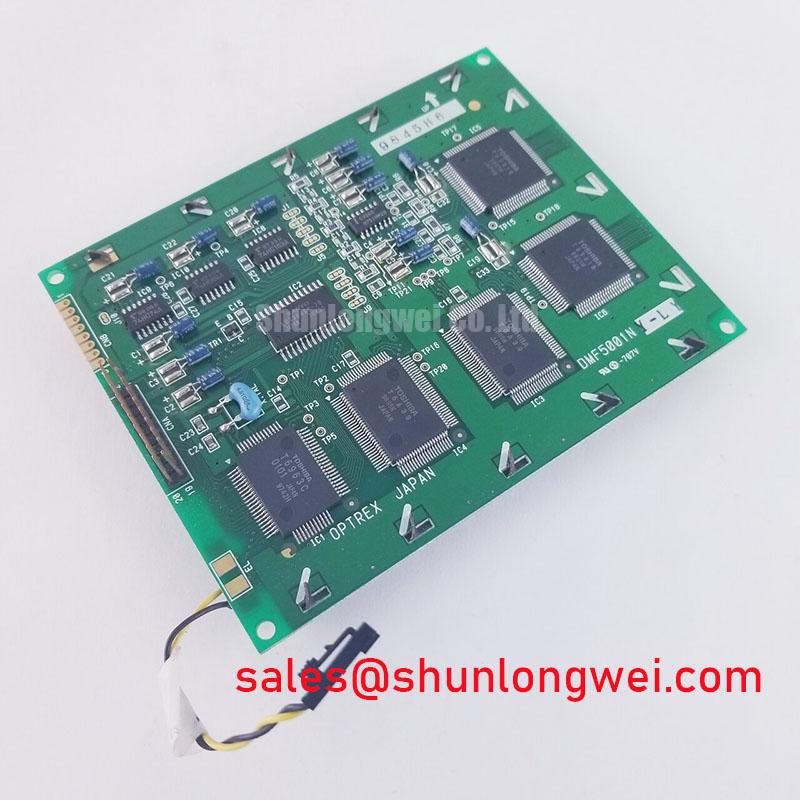
The DMF5001NY-LY is a legacy-supporting 240×64 dot matrix monochrome graphic LCD module designed to ensure uninterrupted operational display output in industrial environments. Engineered with a yellow-green LED backlight and STN positive transmissive liquid crystal technology, it delivers high-legibility readouts under standard factory lighting. The interface architecture simplifies integration with classic 8-bit parallel systems.
- Key Specs: 240 x 64 pixels resolution | STN positive transmissive mode | Yellow-green LED backlight.
- Key Advantages: Integrated display controller reduces processor bus overhead; standard mechanical dimensions simplify retrofitting.
For detailed electrical pinouts and timings, you can read the DMF5001NY-LY product specifications page.

Technical Analysis and Contrast Adjustments
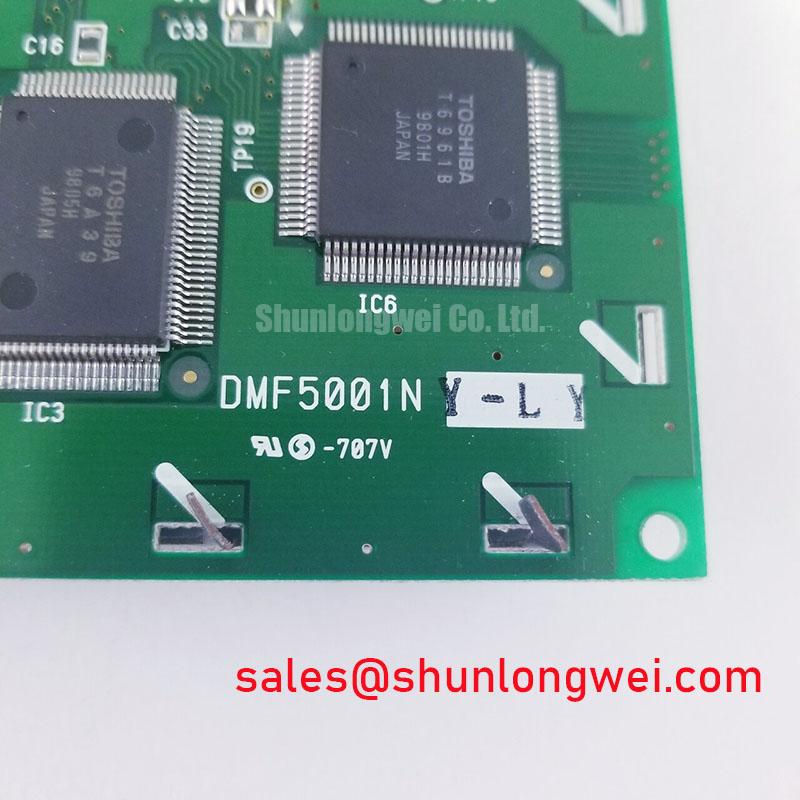
The DMF5001NY-LY relies on the classic T6963C controller, which handles graphics generation directly on-board. By hosting its own RAM buffer, the module minimizes the communication bottleneck between the host processor and the display. This allows low-power 8-bit microcontrollers to drive complex text layouts and coordinate graphics without performance lag or display delay.
The STN positive transmissive configuration provides dark pixels against a yellow-green background when backlit. Contrast is highly sensitive to the drive voltage (Vee) and ambient temperature. Think of the LCD contrast voltage as a guitar’s tuning peg; as the operating temperature shifts, the liquid crystal detunes, requiring small adjustments to Vee to maintain clear contrast and avoid ghosting.
For modern industrial display upgrades, choosing stable legacy components prevents costly redesign cycles. You can learn more about display module architecture in our overview of LCD core technology. Controlling electromagnetic interference on the parallel bus is critical, as detailed in our guide on smart factory HMI specifications.
Optimized Application Scenarios
- Legacy PLC Panels: Replaces aging displays in automation cells without requiring firmware rewrites.
- Marine Monitoring Systems: Yellow-green STN configuration provides high visibility under variable wheelhouse illumination.
- Precision Test Equipment: The 240×64 grid allows real-time plotting of wave data and text metrics simultaneously.
- Industrial CNC Control Consoles: Reliable under constant vibration due to the robust mechanical bezel mounting.
This 240×64 panel is the optimal match for systems requiring long-term mechanical compatibility and simple 8-bit parallel bus controls.
Key Specifications Parameter Table
| Parameter Group | Technical Specification | Value / Rating |
|---|---|---|
| Power Requirements | Logic Supply Voltage (Vdd – Vss) | 4.5V to 5.5V (5.0V Typical) |
| LCD Drive Voltage (Vdd – Vee) | 8.0V to 15.0V | |
| Optical Performance | Display Type | STN Positive Transmissive |
| Backlight Type | LED (Yellow-Green) | |
| Environmental Limits | Operating Temperature Range | -20°C to +70°C |
| Storage Temperature Range | -30°C to +80°C |
Engineer FAQ
How do I interface the DMF5001NY-LY with a 3.3V microcontroller?
Interfacing requires bidirectional level shifters on the 8-bit parallel data lines (D0–D7) and control lines (RD, WR, CE, C/D) to bridge the 5V logic threshold of the display.
What causes flickering on the display during data writes?
Flickering typically occurs due to excessive bus write speeds or lack of sync with the controller status checks. Ensuring the firmware polls the busy flag before writing prevents buffer collisions, as explained in our flicker-free display design guidelines.
What is the recommended range for the LCD drive voltage (Vee)?
The typical negative voltage required on Vee ranges from -8V to -13V relative to Vdd, depending on target operating temperature and contrast preferences.
Functional Summary
This graphic LCD module remains a reliable building block for robust, straightforward human-machine interfaces. By combining an integrated controller with standard logic interfaces, it simplifies legacy system preservation and design execution.