Sharp LQ104V1DG11 10.4-Inch VGA Industrial LCD Display: Technical Specifications and Integration Guide
Sharp LQ104V1DG11 10.4-Inch VGA Industrial LCD Display
Introduction and Core Highlights
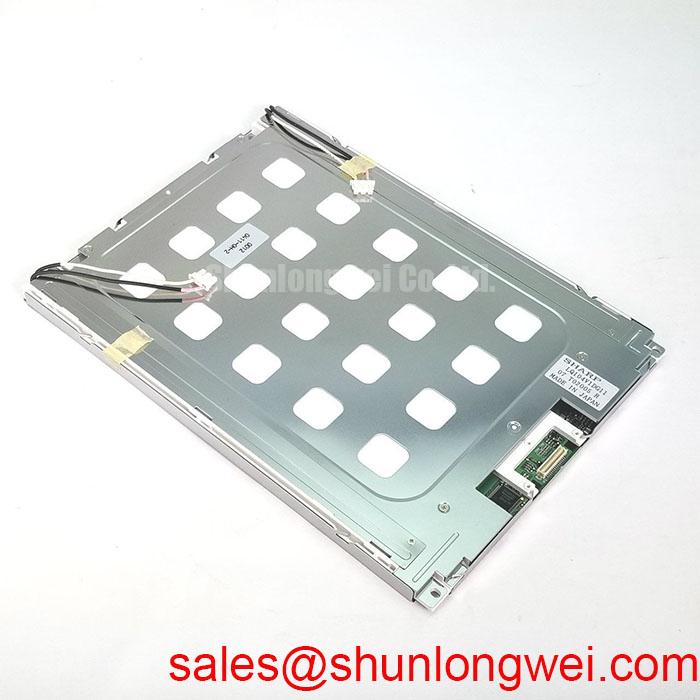
The Sharp LQ104V1DG11 is an industrial-grade 10.4-inch TFT-LCD panel engineered to deliver reliable VGA resolution in legacy control systems. Featuring a 640×480 pixel format, this transmissive display is optimized for legacy HMI drop-in replacements. It features a robust design that allows seamless integration without modifying existing hardware frameworks.
- Core Specifications: 10.4-inch diagonal | 640×480 VGA Resolution | 350 cd/m² Luminance | 300:1 Contrast Ratio.
- Key Engineering Advantages: Direct compatibility with legacy 31-pin parallel TTL interfaces and high mechanical stability via a structured metal bezel.
- Replacement Integration: Engineers seeking to replace worn-out legacy panels can install this module directly to maintain system uptime.
Download Sharp LQ104V1DG11 Datasheet (PDF)


Technical Analysis and Design Considerations
The Sharp LQ104V1DG11 operates as a transmissive display, utilizing a dual CCFL backlight to achieve its typical luminance of 350 cd/m². This brightness level ensures clear visibility under standard industrial factory lighting. The pixel layout utilizes an amorphous silicon TFT active matrix, ensuring stable response times during process monitoring. For deeper design insights, explore our resources on LCD core technology.
Operating temperature limits range from -10°C to +65°C. To ensure contrast stability and avoid cell degradation, heat dissipation paths must be carefully planned during design-in. Think of the panel’s thermal path like a narrow drainage pipe; if heat accumulates at the source without a clear path to escape, temperature rises rapidly and threatens component reliability. For guidance on mechanical design under harsh environments, read our guide on vibration and shock resistance for industrial displays.


The LQ104V1DG11 is powered by a dual supply logic system of 3.3V or 5.0V. System designers must match the backlight driver to the starting voltage requirements of the CCFL tubes. This prevents start-up failures and minimizes electromagnetic interference (EMI). High-voltage lines from the inverter should be routed away from parallel data lines to avoid data corruption.
Optimized Application Scenarios
- Legacy Industrial HMIs: Direct replacement for obsolete panels in manufacturing machinery without rewriting control software.
- Metalworking CNC Terminals: The rigid chassis withstands mechanical vibrations common in tooling machinery.
- Legacy Medical Monitors: Stable 300:1 contrast ratio provides reliable visualization of numerical diagnostic data.
- Console Monitoring Panels: Transmissive performance allows installation in standard rack-mount control consoles.
The LQ104V1DG11 is the optimal choice for legacy HMI retrofits requiring a standard 31-pin TTL VGA display.


Key Specifications Table
| Technical Parameters | ||
|---|---|---|
| Diagonal Dimension | 10.4 (26) | inches (cm) |
| Resolution | 640 x 480 (VGA) | pixels |
| Active Display Area | 211.2 x 158.4 | mm |
| Luminance | 350 (Typical) | cd/m² |
| Contrast Ratio | 300:1 (Typical) | – |
| Interface Type | 31-pin Parallel TTL (6-bit) | – |
| Supply Voltage (VDD) | 3.3 / 5.0 | V |
| Backlight Source | Dual CCFL | – |
| Operating Temperature | -10 to +65 | °C |
| Storage Temperature | -25 to +70 | °C |
Engineer FAQ
Q1: What inverter parameters are required to drive the backlight on the LQ104V1DG11?
A1: The external inverter must match the startup voltage and operating current profile of the dual CCFL tubes. Refer to the manufacturer’s specification sheet for exact ignition and running parameters. For brightness adjustment, check out our guide on backlight dimming and efficiency control.
Q2: Can this module be powered by 3.3V and 5.0V logic systems interchangeably?
A2: Yes, the logical interface is compatible with both 3.3V and 5.0V supply rails. However, the logic input high/low threshold values must align with the corresponding selected VDD level.
Q3: How should mechanical mounting be executed to avoid display stress?
A3: The display must be mounted flat against the chassis frame. Avoid applying uneven mounting screw torque. Tightening screws unevenly can flex the glass substrate, leading to optical color variations or localized cell gaps.
Conclusion
The Sharp LQ104V1DG11 provides industrial systems with a reliable path to maintain operational continuity. By offering legacy 31-pin TTL compatibility, it removes the need for costly system-level interface redesigns.