Kyocera KCS057QV1BL-G21 5.7-Inch Industrial STN-LCD Display: Technical Overview and Specifications
KCS057QV1BL-G21 Kyocera 5.7-Inch Industrial STN-LCD Display
Introduction and Core Product Highlights
The KCS057QV1BL-G21 is a passive matrix STN-LCD module manufactured by Kyocera, designed for legacy industrial HMI systems. It features a transmissive display mode and a QVGA (320×240) resolution. This module maintains stable contrast in varying operating environments using an integrated temperature compensation circuit. For maintenance engineers seeking direct drop-in replacements, it is highly comparable to the KCS057QV1BR-G21.
- Core Specifications: 5.7-inch Diagonal | 320 × 240 Resolution | STN Transmissive Mode
- Key Benefits: Minimizes contrast drift under thermal stress and offers a simplified parallel interface for legacy microcontrollers.
Download KCS057QV1BL-G21 Datasheet PDF Reference
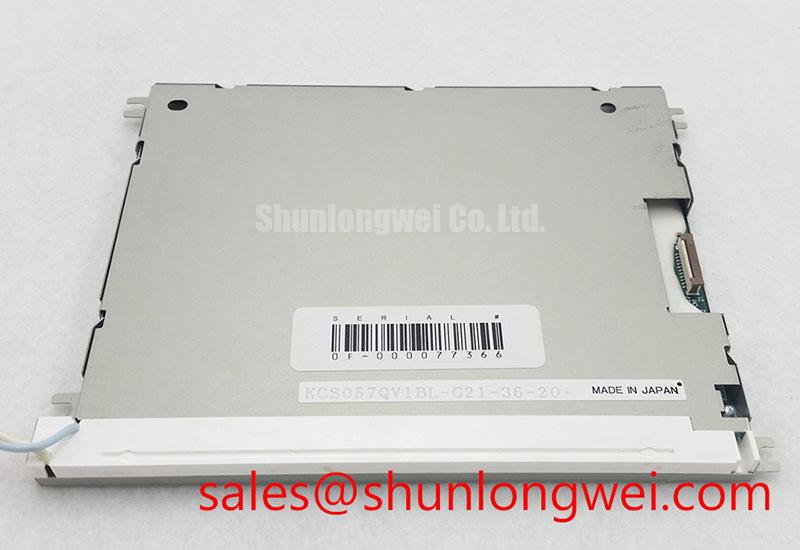
Technical Analysis of Temperature Compensation and Contrast
Passive matrix STN displays are highly sensitive to temperature variations. Changes in temperature alter the viscosity of the liquid crystals, causing contrast degradation. The KCS057QV1BL-G21 resolves this by using an internal thermistor-driven compensation circuit. This circuit dynamically adjusts the driving voltage (Vee) to match thermal shifts, keeping the display legible. Learn more about this technology in our guide to industrial display compensation.
Think of the liquid crystal response in an STN panel like motor oil. In cold temperatures, it thickens and slows down, causing slow screen updates. In hot temperatures, it thins out, which reduces contrast. The built-in compensation circuit acts like an automatic control valve, regulating voltage to keep the visual output constant. The module uses a transmissive design paired with a CCFL backlight, delivering a 25:1 typical contrast ratio under normal industrial lighting.
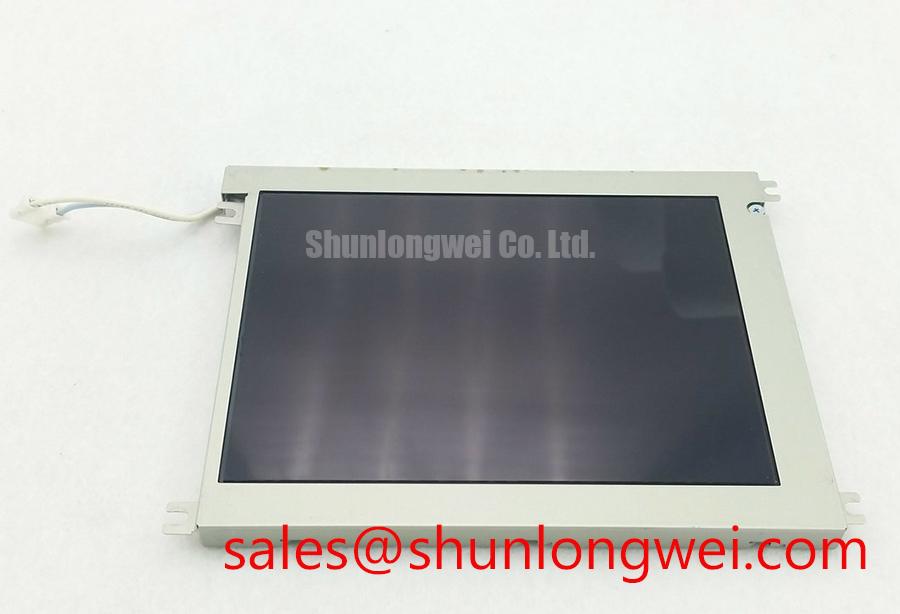
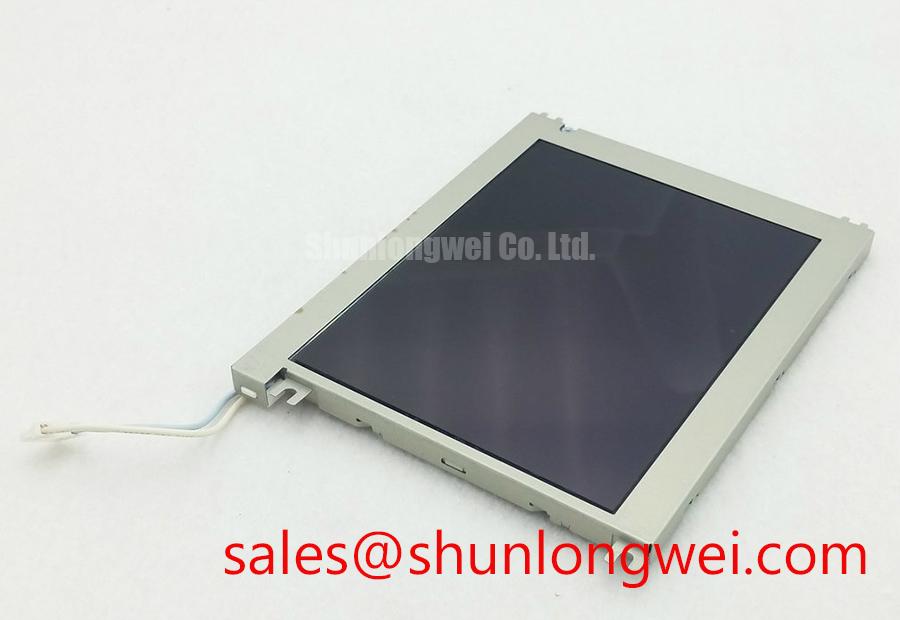
Industrial Applications and Environmental Compatibility
The display panel is built to withstand mechanical stress in harsh locations. It is commonly implemented in the following systems:
- CNC Machine Consoles: Resistant to constant mechanical vibrations. For details, read our guide on vibration resistance for industrial displays.
- Legacy PLC HMI Panels: Acts as a drop-in replacement screen, extending the service life of older factory controllers.
- Medical Status Monitors: Provides stable alphanumeric readouts in medical devices that require long-term configuration stability.
Best Match: The KCS057QV1BL-G21 is optimized for legacy 5.7-inch industrial controllers requiring parallel data buses and internal contrast-correction circuits.

Key Technical Specifications Table
| Optical and Electrical Specifications | |
|---|---|
| Display Type | STN Monochrome Blue/Negative (or Gray, configuration dependent) |
| Screen Size | 5.7 Inches (14 cm) diagonal |
| Resolution | 320 × 240 pixels (QVGA) |
| Backlight | Single CCFL (Cold Cathode Fluorescent Lamp) |
| Contrast Ratio | 25:1 (Typical) |
| Supply Voltage (Logic) | 5.0 V (Typical) |
| Temperature Compensation | Built-in internal circuit |
| Operating Temp Range | 0°C to +50°C |
Engineer FAQ
How do I drive the legacy parallel interface of the KCS057QV1BL-G21?
This module uses a passive matrix interface. You must connect it to a dedicated LCD controller IC, such as the RA8835, or a microcontroller with a native passive LCD controller peripheral to handle frame-refresh signals.
What type of power supply is required for the backlight?
The CCFL backlight requires an external high-voltage AC inverter, which typically outputs 500 Vrms to 1000 Vrms. Do not connect the backlight directly to DC voltage rails.
Does this display require manual contrast tuning?
No. The built-in temperature compensation circuit automatically regulates the liquid crystal driving voltage based on ambient temperature to keep contrast levels stable.
Closing Statement
The KCS057QV1BL-G21 provides a robust display solution for maintaining legacy industrial systems. By integrating a temperature compensation circuit and a durable transmissive STN design, this module ensures reliable visual output for machinery panels, preventing premature system obsolescence.