Fuji 2MBI900VXA-120P-50: A Technical Analysis for High-Power Inverters
Fuji 2MBI900VXA-120P-50 V-Series IGBT Module | 1200V 900A
High Power Density and Thermal Stability for Demanding Inverters
The Fuji Electric 2MBI9VXA-120P-50 is a high-current IGBT module designed for superior performance in large-scale power conversion systems. It integrates Fuji’s 7th generation V-Series trench gate technology to achieve a balance of low power loss and high operational reliability. This module’s ability to operate at a junction temperature of up to 175°C allows for increased power density and flexibility in thermal system design, directly addressing the needs of engineers developing compact and efficient high-power inverters.
- Core Specifications: 1200V | 900A | 175°C Tjmax
- Key Advantages: High power cycling capability, minimized conduction and switching losses.
Download Official Datasheet (PDF)
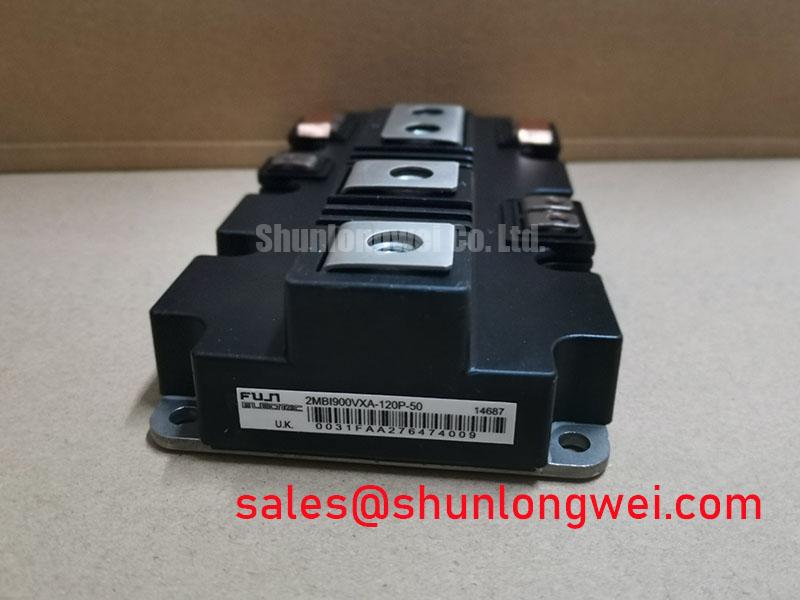
Technical Analysis for System Optimization
A defining feature of the 2MBI900VXA-120P-50 is its exceptional thermal performance, underpinned by two key characteristics documented in the datasheet. Firstly, the maximum operating junction temperature (Tjmax) of 175°C provides a significant thermal margin. This allows the module to handle higher power throughput or operate reliably in elevated ambient temperatures without compromising its lifespan. This is complemented by a low typical collector-emitter saturation voltage (VCE(sat)) of 2.15V at its nominal 900A current and an operating temperature of 150°C, which minimizes conduction losses and reduces the overall heat that must be dissipated.
Secondly, the module utilizes an Al-SiC (Aluminum Silicon Carbide) baseplate. The importance of this material choice relates to its Coefficient of Thermal Expansion (CTE). You can think of the CTE mismatch between a silicon chip and its baseplate like two different metals bonded together and then heated; a significant difference causes mechanical stress. The Al-SiC’s CTE is much closer to that of silicon compared to traditional copper baseplates. This minimizes stress during thermal cycles, leading to enhanced durability and a longer operational life, a critical factor in applications like wind turbines where maintenance is challenging.

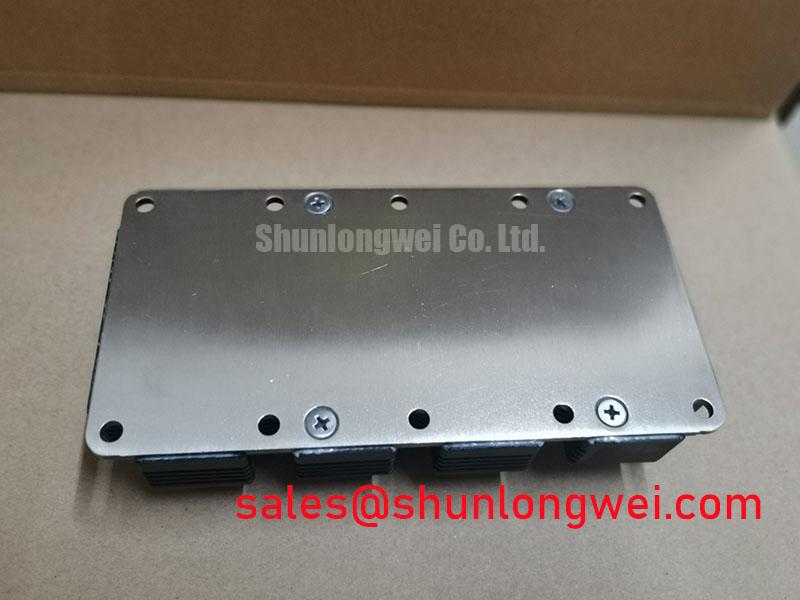
Optimized Application Scenarios
The electrical and thermal characteristics of this module make it a strong candidate for several high-power applications:
- Wind Power Generation: The high current rating (900A) and robust thermal cycling capability make it ideal for the main converters in wind turbine systems.
- Large-Scale Solar Inverters: Low VCE(sat) directly improves the energy conversion efficiency of central solar inverters, maximizing power output.
- High-Power Motor Drives: The module’s ability to handle large currents and dissipate heat effectively is essential for industrial motor drives in applications such as pumps, fans, and conveyors.
- Uninterruptible Power Supplies (UPS): Its high reliability and efficiency are critical for large data centers and industrial UPS systems where power integrity is paramount.
This module is an optimal match for megawatt-scale power conversion systems that require high thermal stability and operational longevity under demanding conditions.
Key Specifications of the 2MBI900VXA-120P-50
| Absolute Maximum Ratings (Tc=25°C) | ||
|---|---|---|
| Collector-Emitter Voltage (VCES) | 1200 V | |
| Continuous Collector Current (IC) at Tc=100°C | 900 A | |
| Pulsed Collector Current (IC pulse) | 1800 A | |
| Gate-Emitter Voltage (VGES) | ±20 V | |
| Maximum Junction Temperature (Tjmax) | 175 °C | |
| Isolation Voltage (Viso) (AC, 1 min.) | 4000 VAC | |
| Electrical & Thermal Characteristics (Tj=150°C unless otherwise specified) | ||
| Collector-Emitter Saturation Voltage (VCE(sat)) at IC=900A, VGE=15V | 2.15 V (typ) | |
| Gate-Emitter Threshold Voltage (VGE(th)) | 6.5 V (typ) | |
| Thermal Resistance, Junction to Case (Rth(j-c)) IGBT | 0.024 K/W | |
| Thermal Resistance, Junction to Case (Rth(j-c)) Diode | 0.040 K/W | |
Engineer’s FAQ
What is the primary benefit of the Al-SiC baseplate for thermal management?
The Al-SiC baseplate has a coefficient of thermal expansion (CTE) very close to that of the silicon IGBT chips. This reduces mechanical stress on the chips during temperature changes, significantly improving the module’s power cycling capability and long-term reliability compared to modules with traditional copper baseplates.
What are the recommended mounting torque values for this module?
According to the datasheet, the recommended torque for the M5 mounting screws is 3.0 to 6.0 Nm. For the M8 main terminals, the recommended torque is 8.0 to 10.0 Nm. Adhering to these values is critical for ensuring proper thermal contact and reliable electrical connections. For more details on this topic, see our guide on the critical role of IGBT terminal torque.
How does the 175°C maximum operating temperature impact system design?
A higher Tjmax of 175°C provides engineers with greater design flexibility. It can be used to increase the power density of the converter, reduce the size and cost of the required heatsink, or provide a larger safety margin for operation in high ambient temperature environments, enhancing overall system robustness.
Does the 2MBI900VXA-120P-50 include an integrated NTC thermistor?
Yes, the module includes an NTC thermistor for temperature sensing. The datasheet provides its resistance value (5 kΩ at 25°C) and B-value, allowing for accurate real-time monitoring of the module’s operating temperature, which is essential for over-temperature protection.
The 2MBI900VXA-120P-50 provides the technical foundation for developing power-dense and highly reliable inverter systems. Its combination of low-loss switching and superior thermomechanical design empowers engineers to meet demanding performance targets in high-power applications.