Vicor V24C15T100BL: A Technical Review of the 100W DC-DC Converter
Vicor V24C15T100BL DC-DC Converter | 100W, 24V to 15V
Technical Analysis of the V24C15T100BL DC-DC Converter Module
The Vicor V24C15T100BL is a high-density, isolated DC-DC converter module that delivers a regulated 100W output. Engineered for demanding applications, it provides a stable 15V from a wide nominal 24V input range. Its architecture focuses on delivering robust power in a compact, thermally efficient package, making it a strong candidate for systems where space and reliability are critical design drivers. This module’s integrated control features, such as output trimming and remote sense, offer engineers the flexibility to precisely tailor performance to specific load requirements.
- Core Specifications: 18V – 36V DC Input | 15V @ 6.67A Output | 100W Power
- Key Advantages: High power density for compact designs, excellent thermal dissipation via an integrated baseplate.
- Engineering Insight: The wide input range allows for reliable operation from unregulated or battery-powered sources prone to voltage fluctuations.
Download Official Datasheet (PDF)

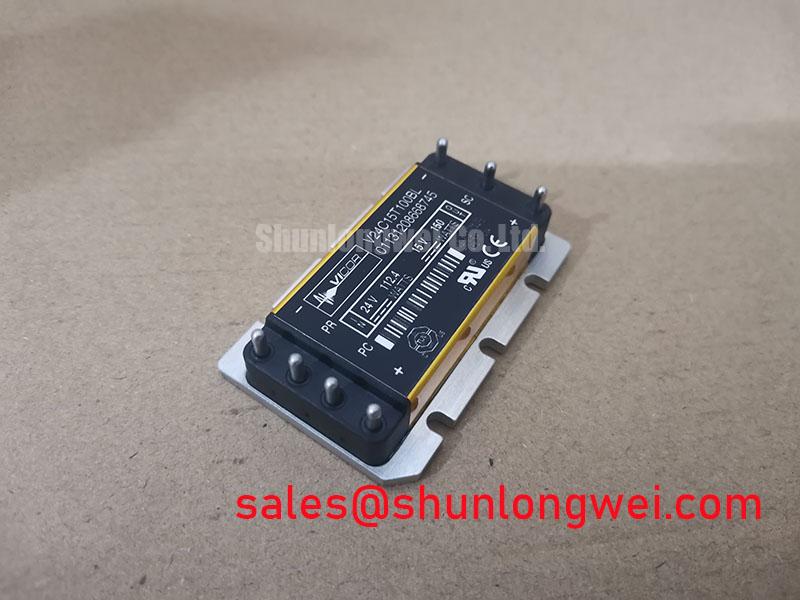
Engineered for High-Density Power Delivery
The standout feature of the V24C15T100BL is its ability to deliver 100 watts of regulated power from a compact “Maxi” module package. This high power density is achieved through an efficient topology that minimizes energy loss as heat. For a system designer, this translates directly to smaller, lighter end-products, as less board area is required for power conversion and thermal management hardware is reduced. High efficiency, typically around 80-90%, ensures that the majority of input power is delivered to the load, a crucial factor in battery-powered or thermally sensitive systems.
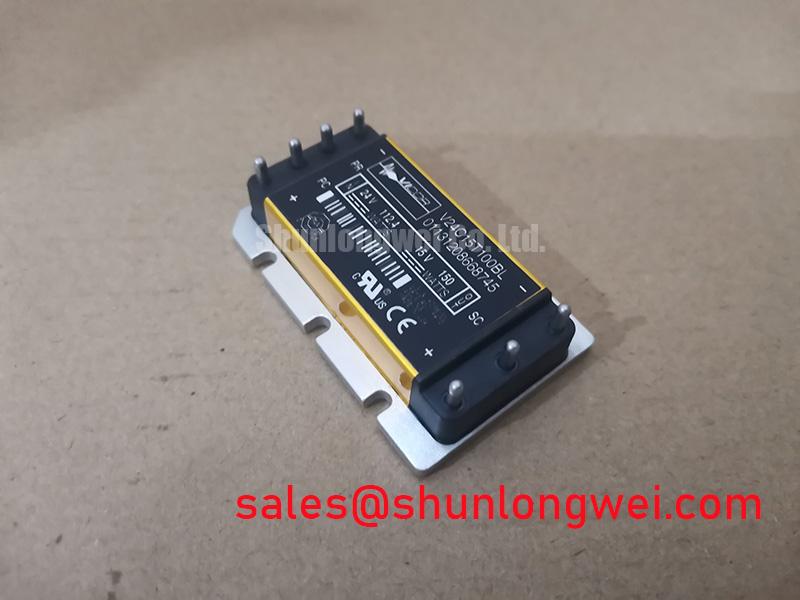
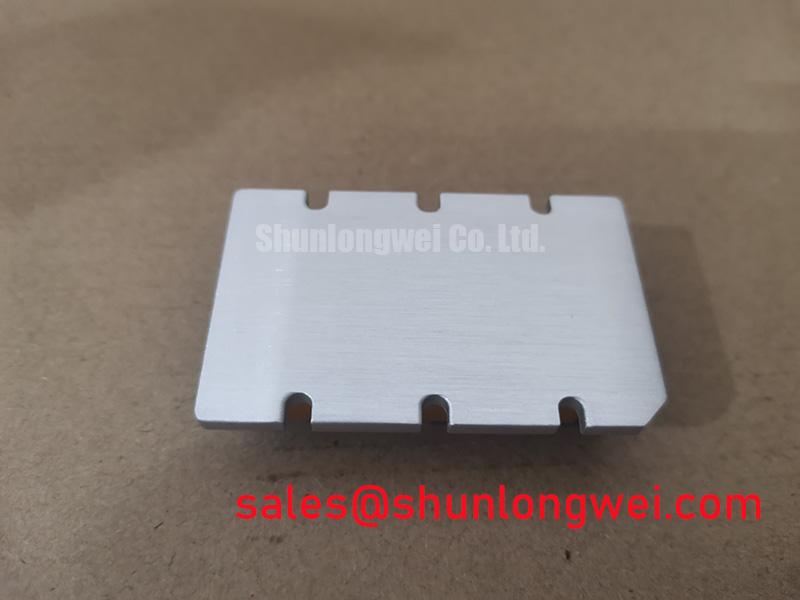
Effective thermal management is fundamental to the long-term reliability of any power component. The V24C15T100BL is constructed with a metal baseplate designed for straightforward mounting to a heatsink or chassis. You can think of this baseplate as a heat conduit; a lower thermal resistance means heat flows more easily away from the internal power components. This efficient heat transfer allows the module to operate reliably at its full 100W rating across a wide baseplate temperature range of -40°C to 100°C.
Optimized Application Scenarios
The V24C15T100BL is specified for applications where performance cannot be compromised. Its feature set aligns well with the following domains:
- Industrial Control Systems: The wide 18-36V input range easily accommodates fluctuations from standard 24V industrial power busses.
- Telecommunications Infrastructure: High power density and reliability are essential for powering equipment in space-constrained racks and enclosures.
- Distributed Power Architectures: This module can efficiently step down a higher voltage bus to a regulated 15V at the point of load, improving system transient response and reducing noise.
- Ruggedized Electronics: The robust mechanical design and wide operating temperature range make it suitable for transportation and defense applications.
For any system requiring a reliable, isolated 100W from a nominal 24V source, this module provides a proven, high-density power conversion solution.
Key Specifications of the V24C15T100BL
| Electrical & Performance Characteristics | |
|---|---|
| Input Voltage Range | 18V – 36V DC |
| Nominal Input Voltage | 24V |
| Output Voltage | 15V |
| Output Power | 100W |
| Output Current | 6.67A |
| Isolation Voltage | 3000Vrms |
| Efficiency | 88% (Typical) |
| Baseplate Operating Temperature | -40°C to 100°C |
| Dimensions | 4.6″ x 2.4″ x 0.5″ (116.8 x 61.0 x 12.7 mm) |
Engineer’s Frequently Asked Questions
1. How is the output voltage of the V24C15T100BL adjusted?
The output voltage can be trimmed from 50% to 110% of its nominal 15V setting. This is accomplished by connecting an external fixed resistor between the Trim pin and either the +Sense or -Sense pin, as detailed in the official Vicor datasheet.
2. What are the best practices for thermally managing this module?
For optimal performance and reliability, the module’s baseplate must be mounted to a heatsink. A thin, uniform layer of thermal interface material should be applied to eliminate air gaps and ensure efficient heat transfer. The heatsink’s thermal resistance must be low enough to keep the baseplate temperature below the 100°C maximum rating under worst-case operating conditions. For more details on thermal design, see our guide on mastering thermal design.
3. What is the function of the remote sense pins (+S, -S)?
The remote sense pins are used to regulate the voltage directly at the load. By connecting the +S and -S pins to the positive and negative terminals of the load, the module can compensate for voltage drops that occur over long power leads or PCB traces, ensuring a precise and stable voltage at the point of use.
4. Does this module include any protection features?
Yes, the V24C15T100BL includes several protection features for system robustness. These typically include input undervoltage lockout (UVLO), output overvoltage protection (OVP), over-current protection (OCP), and short-circuit protection. Referencing the official datasheet is essential for understanding the specific behavior and limits of these protection circuits.
Powering Demanding Systems
The V24C15T100BL delivers a highly regulated and isolated output in a dense, ruggedized package. It enables the design of compact and reliable systems by combining high efficiency with flexible control features and a straightforward thermal management interface. This module is a dependable power component for engineers building next-generation industrial and telecommunications equipment.