G104X1-L01: A Robust 10.4-inch XGA Display for Industrial Applications
G104X1-L01 | 10.4″ XGA TFT-LCD for Industrial Applications
Introduction to the G104X1-L01 TFT-LCD Module
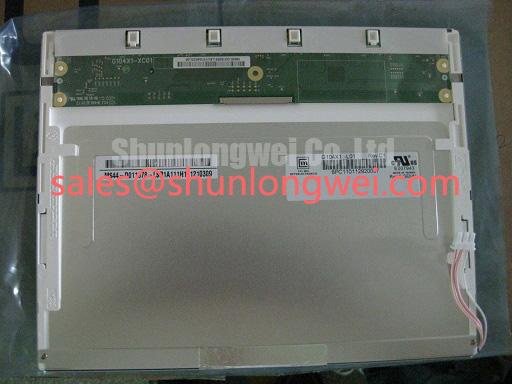
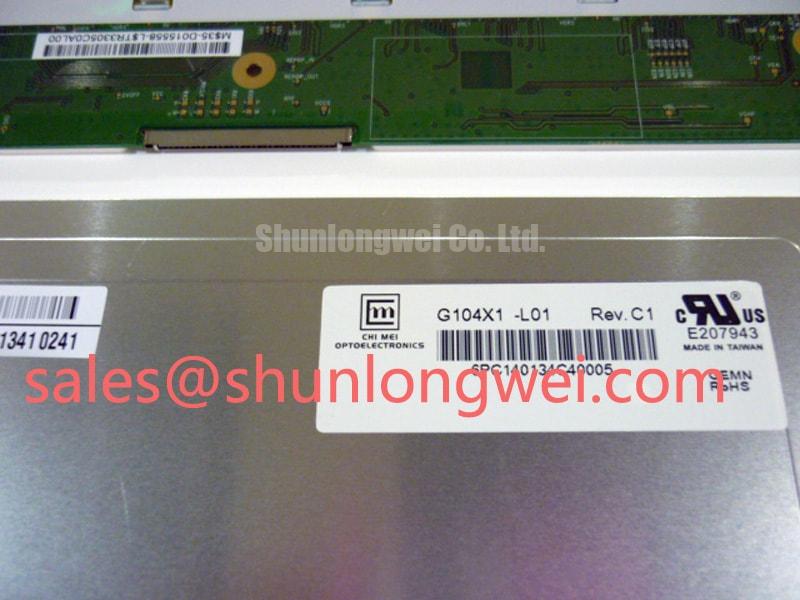
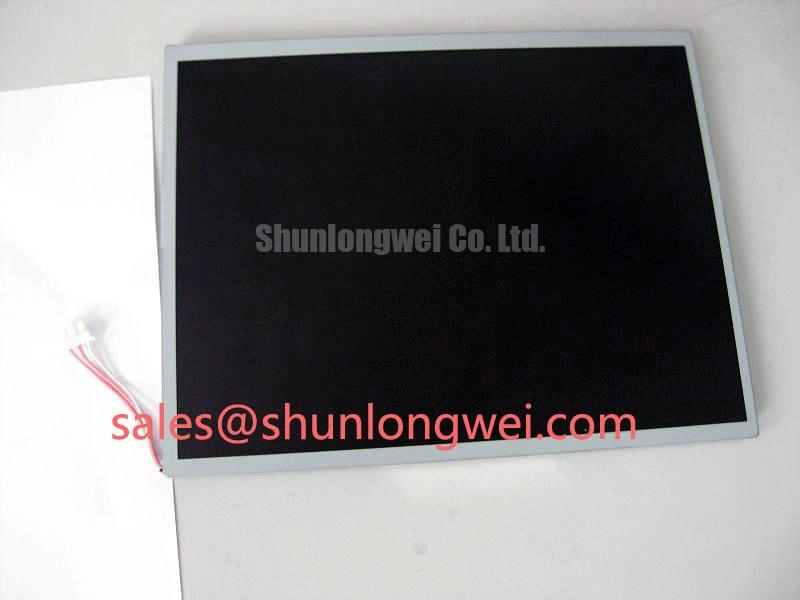
The G104X1-L01 is a 10.4-inch color Thin-Film Transistor (TFT) Liquid Crystal Display (LCD) module delivering XGA resolution. Its unique value proposition lies in its combination of a wide operating temperature range and consistent viewing angles, making it a reliable component for demanding industrial human-machine interfaces (HMIs). This display provides a durable and clear visual foundation for systems that must function reliably in non-climate-controlled settings.
- Core Specifications: 1024×768 XGA | 400 cd/m² Brightness | -20°C to +70°C Operating Temperature
- Key Advantages: Stable performance in fluctuating thermal conditions, clear off-axis readability for operator flexibility.
- User Intent Answered: For engineers selecting an LCD for wide operating temperatures, the G104X1-L01’s specified range of -20°C to +70°C ensures operational integrity in environments from cold storage to hot factory floors.
Download the G104X1-L01 Datasheet (PDF)
Technical Analysis for System Integration
A critical feature documented in the datasheet is the module’s ability to operate from -20°C to +70°C. This wide temperature tolerance allows the G104X1-L01 to be integrated into systems deployed in outdoor kiosks, unheated warehouses, or manufacturing facilities where ambient temperatures are not stable. This resilience reduces the need for auxiliary heating or cooling components, simplifying the overall system design and improving long-term reliability. For further reading, see our guide on thermal management for industrial displays.
The specified viewing angles of 70° (left/right) and 60°/60° (up/down) are essential for applications where the operator is not always directly in front of the screen. Think of the viewing angle as the effective cone of visibility for the display. A wider cone means data remains legible and color-accurate from more positions, which is crucial for control panels or medical devices where multiple people may need to view the screen simultaneously. The anti-glare surface treatment further enhances this usability by diffusing ambient light and minimizing distracting reflections.
Data is transmitted to the module via a single-channel LVDS (Low Voltage Differential Signaling) interface, a standard in industrial equipment. This interface is known for its high noise immunity, which is a significant advantage in electrically noisy environments common in factories with heavy machinery. It supports 6-bit or 8-bit color data, allowing for the display of up to 16.7 million colors when configured for 8-bit operation. This provides the flexibility to render complex graphical user interfaces with smooth gradients and detailed imagery.
Optimized Application Scenarios
The G104X1-L01’s specifications make it well-suited for a range of professional and industrial uses:
- Industrial Control Panels & HMIs: The 10.4″ size and XGA resolution provide sufficient detail for process monitoring, while the wide temperature range ensures reliability on the factory floor.
- Test and Measurement Equipment: Its stable performance across temperatures and clear readability from different angles make it suitable for benchtop or field-use diagnostic tools.
- Medical Monitoring Systems: A 700:1 contrast ratio ensures that critical patient data and waveforms are displayed with clarity and precision.
- Point-of-Sale (POS) and Kiosk Terminals: The anti-glare screen and durable construction are ideal for high-use public interface applications.
This module’s documented performance makes it a strong candidate for systems requiring visual consistency and operational durability in challenging environments.
Key G104X1-L01 Specifications
| Display & Optical Characteristics | |
|---|---|
| Screen Size | 10.4 inches |
| Resolution | 1024(RGB) x 768 [XGA] |
| Pixel Pitch | 0.2058(H) x 0.2058(W) mm |
| Luminance | 400 cd/m² (Typical) |
| Contrast Ratio | 700:1 (Typical) |
| Viewing Angle (L/R/U/D) | 70°/70°/60°/60° (Typical) |
| Backlight | White LED, 30,000 hours (Min) |
| Electrical & Environmental | |
| Interface | LVDS (1 ch, 6/8-bit) |
| Logic Voltage (VCC) | 3.3V (Typical) |
| Operating Temperature | -20°C to +70°C |
| Storage Temperature | -20°C to +70°C |
Engineer’s FAQ
What makes the G104X1-L01 a suitable display for an industrial HMI?
The G104X1-L01 is well-suited for industrial HMI applications due to its 10.4-inch XGA screen, which provides a standard and effective size for data visualization. Its -20°C to +70°C operating temperature range and anti-glare surface ensure reliable performance and visibility in typical factory conditions.
What are the thermal design considerations when integrating this display?
While the display operates up to +70°C, system designers must ensure adequate ventilation within the final enclosure to prevent heat from building up, especially from the LED backlight driver and other system components. The datasheet specifies power consumption, which should be used to model thermal loads and ensure the module’s surface temperature remains within its maximum limits.
What is the typical lifetime of the LED backlight?
The datasheet specifies a minimum backlight lifetime of 30,000 hours. This is defined as the time until the brightness drops to 50% of its initial value when operated under specified conditions (typically at 25°C). For information on extending this, see our article on the proactive management of industrial LCD backlight lifespan.
What are the main power supply requirements for this module?
The G104X1-L01 requires a single 3.3V power supply for the panel’s logic circuits. The LED backlight requires a separate driver circuit, and the datasheet provides the necessary forward voltage and current specifications for the backlight’s LED string to facilitate driver selection or design.
This module provides a balanced feature set for engineers developing systems that demand visual clarity and operational stability. Its adherence to standard industrial specifications for temperature, interface, and resolution facilitates straightforward integration while ensuring the final product is robust and reliable.