NIEC PD10016: A Technical Review of a 1600V, 100A Industrial Rectifier Module
NIEC PD10016 Diode Module: 1600V, 100A Rectification
High-Voltage, High-Current Rectification for Industrial Systems
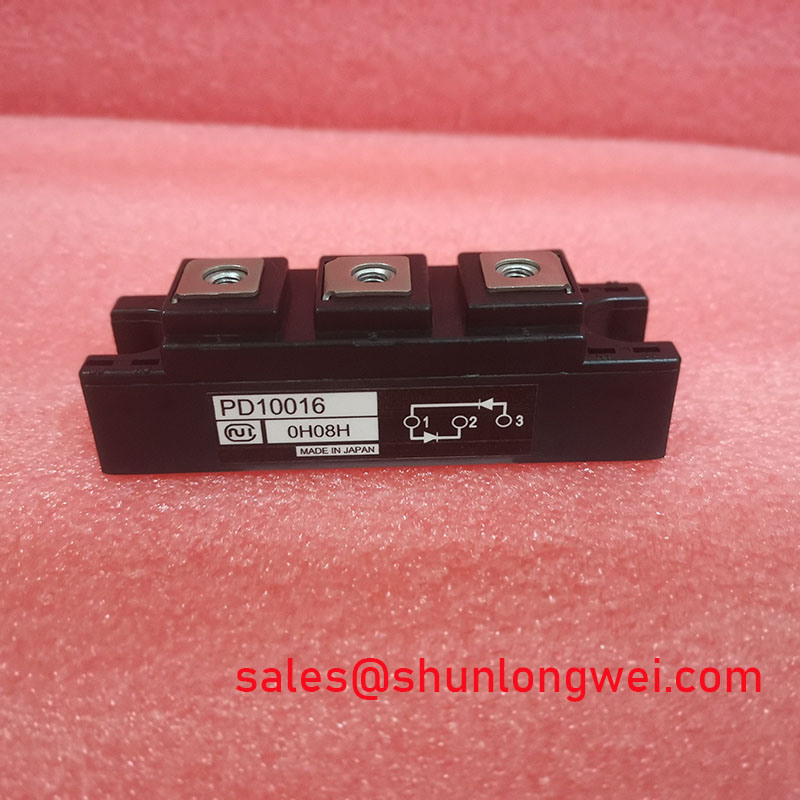
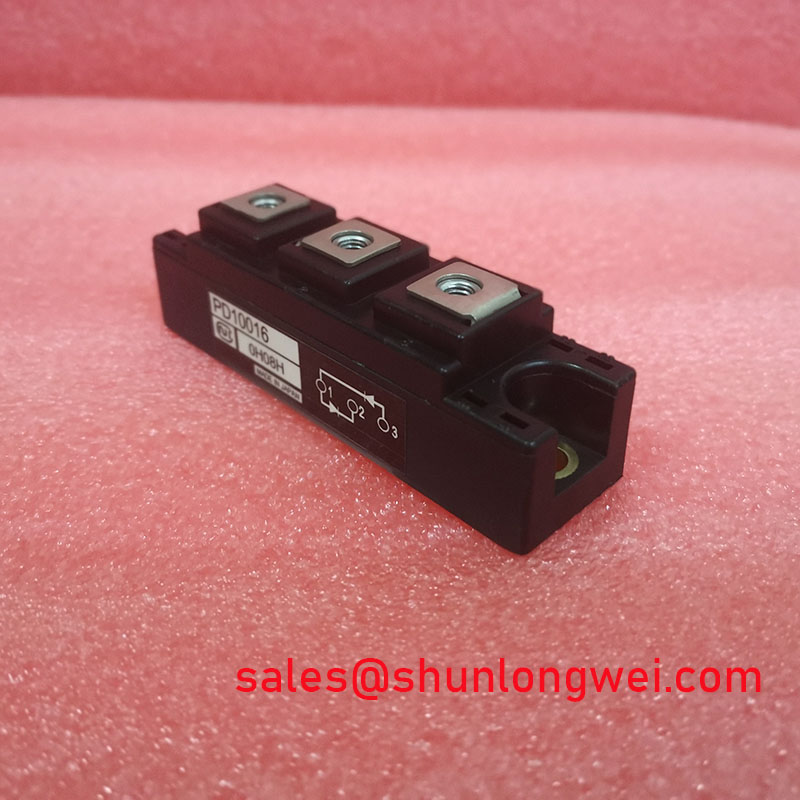
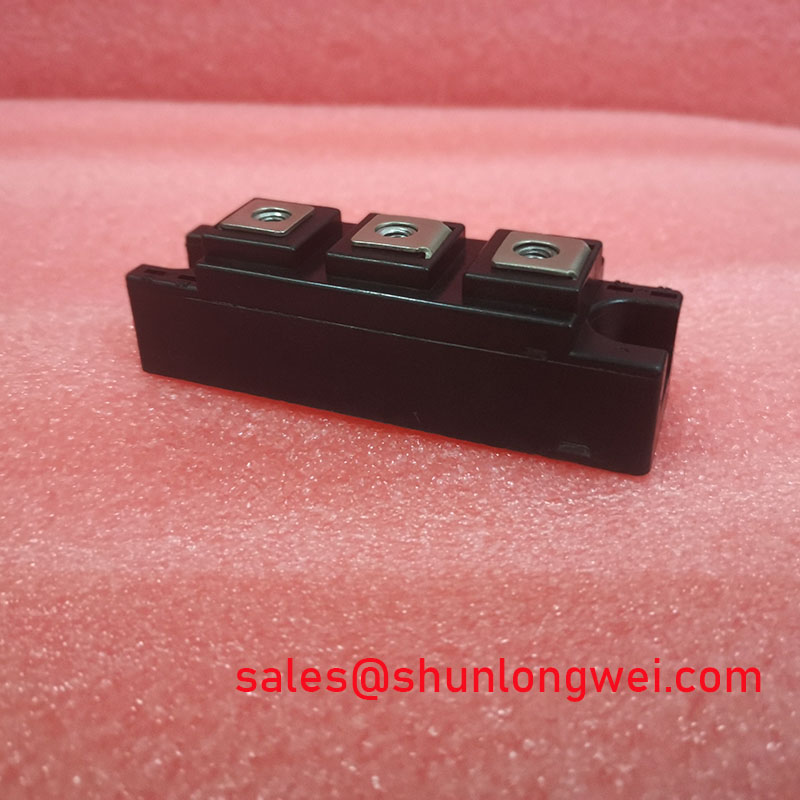
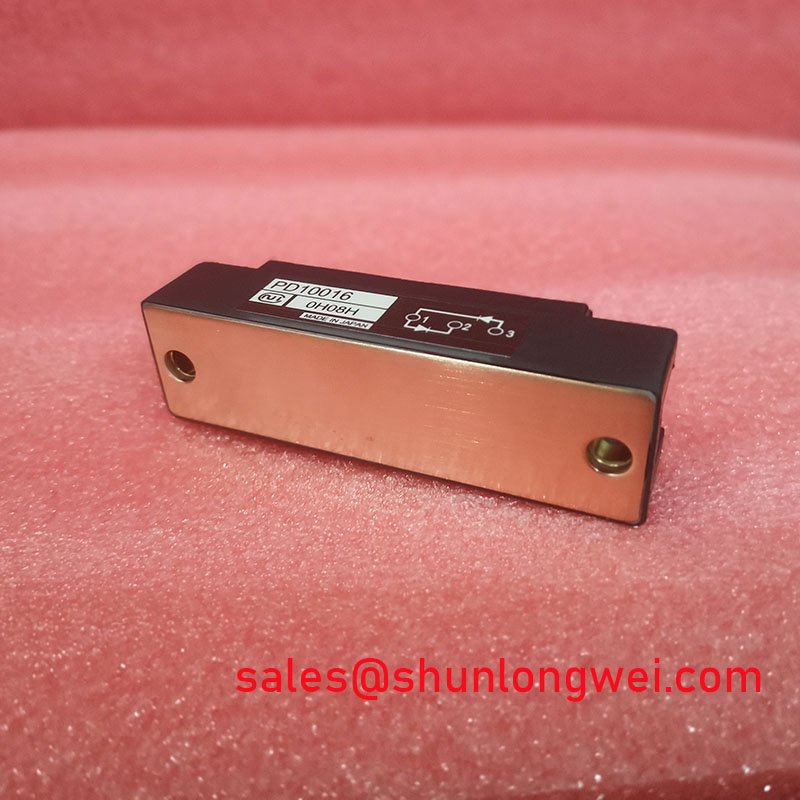
The NIEC PD10016 is a dual diode module engineered for robust performance in high-power conversion systems. It delivers reliable AC-to-DC rectification through its substantial voltage and current handling capabilities, making it a sound choice for demanding industrial environments. The module’s high surge current tolerance and isolated baseplate provide a durable foundation for power circuit design.
- Core Specifications: 1600V VRRM | 100A IF(AV) | 1100A IFSM
- Key Advantages: High voltage headroom for 3-phase mains, excellent thermal performance.
This component is well-suited for engineers looking to implement a straightforward and durable rectification stage in high-power industrial equipment.
Download Official Datasheet (PDF)
Technical Analysis for System Reliability
The engineering value of the PD10016 is rooted in its fundamental electrical and thermal characteristics. A repetitive peak reverse voltage (VRRM) of 1600V provides a critical safety margin for rectifiers operating on 380V or 480V three-phase AC lines. This high standoff voltage ensures the device can withstand typical line transients without breakdown, a key factor in building long-lasting power semiconductors systems.
Effective thermal management is crucial for reliability at high currents. The PD10016 features a thermal resistance from junction to case (Rth(j-c)) of 0.24°C/W per arm. This value can be compared to the width of a heat escape tunnel; a lower value indicates a wider tunnel, allowing heat to transfer efficiently from the active silicon to the heatsink. This efficient heat dissipation is essential for maintaining the junction temperature within safe limits, especially when the module is handling its rated 100A average forward current.
Optimized Application Scenarios
The specific characteristics of the PD10016 make it a strong candidate for several high-power applications:
- Industrial Power Supplies: Ideal for the main input rectification stage due to its 1600V rating, providing robust conversion from industrial AC mains.
- Welding Power Supplies: The high surge current capability (IFSM) of 1100A (50Hz) allows it to handle the large, intermittent current pulses common in welding processes.
- AC Motor Drives: Functions effectively as an input rectifier for Variable Frequency Drives (VFDs), converting three-phase AC to the internal DC bus voltage.
- High-Power Battery Chargers: Provides the necessary current handling and voltage isolation for industrial-scale battery charging systems.
This module is an excellent match for systems needing robust, high-current rectification from 380-480V AC lines with high fault tolerance.
Key Specification Parameters
| Absolute Maximum Ratings (TC = 25°C unless otherwise specified) | |
|---|---|
| Repetitive Peak Reverse Voltage (VRRM) | 1600V |
| Average Forward Current (IF(AV)) | 100A |
| Surge Forward Current (IFSM) | 1100A (50Hz, 1 cycle) |
| Electrical and Thermal Characteristics | |
| Peak Forward Voltage (VFM) @ 100A | 1.35V (Max) |
| Repetitive Peak Reverse Current (IRRM) @ 1600V | 10mA (Max) |
| Thermal Resistance, Junction to Case (Rth(j-c)) | 0.24°C/W (per arm) |
| Isolation Voltage (Viso) | 2500V (AC, 1 minute) |
| Operating Junction Temperature (Tj) | -40 to +150°C |
Note: All parameters are sourced directly from the manufacturer’s datasheet. For complete details, refer to the official PDF.
Engineer’s FAQ
What is the maximum AC input voltage for a rectifier circuit using the PD10016?
With a VRRM of 1600V, the PD10016 is suitable for direct rectification of three-phase 480V AC lines. The peak voltage of a 480V RMS line is approximately 679V (480 * √2), giving the 1600V rating a safety factor of over 2.3x for handling transients.
What is the recommended mounting torque for this module?
According to the datasheet outline drawing, the recommended mounting torque for the M5 terminal screws is 2.5 to 3.5 N·m. For mounting the module to a heatsink using M6 screws, the recommended torque is 4.0 to 6.0 N·m. Applying correct torque is crucial for ensuring low thermal and electrical resistance. For more on this, see our guide on the critical role of terminal torque.
How does case temperature affect the module’s current rating?
The datasheet provides a graph showing that the maximum average forward current must be derated as the case temperature increases. The 100A rating is specified at a case temperature of 105°C. Above this temperature, the permissible current decreases to ensure the junction temperature does not exceed its 150°C maximum.
What is the benefit of the isolated metal baseplate?
The baseplate is electrically isolated from the active terminals with a 2500V rating. This allows multiple modules to be mounted onto a single, common heatsink without needing separate insulating pads for each one, simplifying mechanical assembly and improving overall thermal performance.
Enabling Robust Power Conversion
The NIEC PD10016 diode module provides the high-voltage isolation, current handling, and surge resilience required for reliable industrial power rectification. Its straightforward design and robust thermal characteristics allow engineers to implement efficient and durable power conversion stages with confidence, particularly in systems exposed to the electrical demands of factory automation and heavy machinery.