Infineon FP100R12KT4G: Technical Analysis of a 1200V 100A IGBT Module
## Infineon FP100R12KT4G IGBT Module | 1200V 100A Analysis
Technical Review of the FP100R12KT4G for Power Systems
The Infineon FP100R12KT4G is a 1200V, 100A IGBT module that integrates Trench/Fieldstop IGBT4 and Emitter Controlled 4 diode technology. This combination provides a balanced performance profile optimized for conduction and switching efficiency in high-power applications. A key value of this module is its ability to deliver robust performance with low losses, housed in the industry-standard EconoPIM™ 3 package.
* **Core Specifications**: 1200V | 100A | VCE(sat) (typ) 2.05V @ 125°C
* **Key Advantages**: Balanced switching and conduction losses, high thermal conductivity, and proven package reliability.
* **Application Focus**: Its electrical and thermal characteristics make it a strong candidate for variable frequency drives (VFDs) requiring high reliability under demanding load cycles.
Download Official Datasheet (PDF)
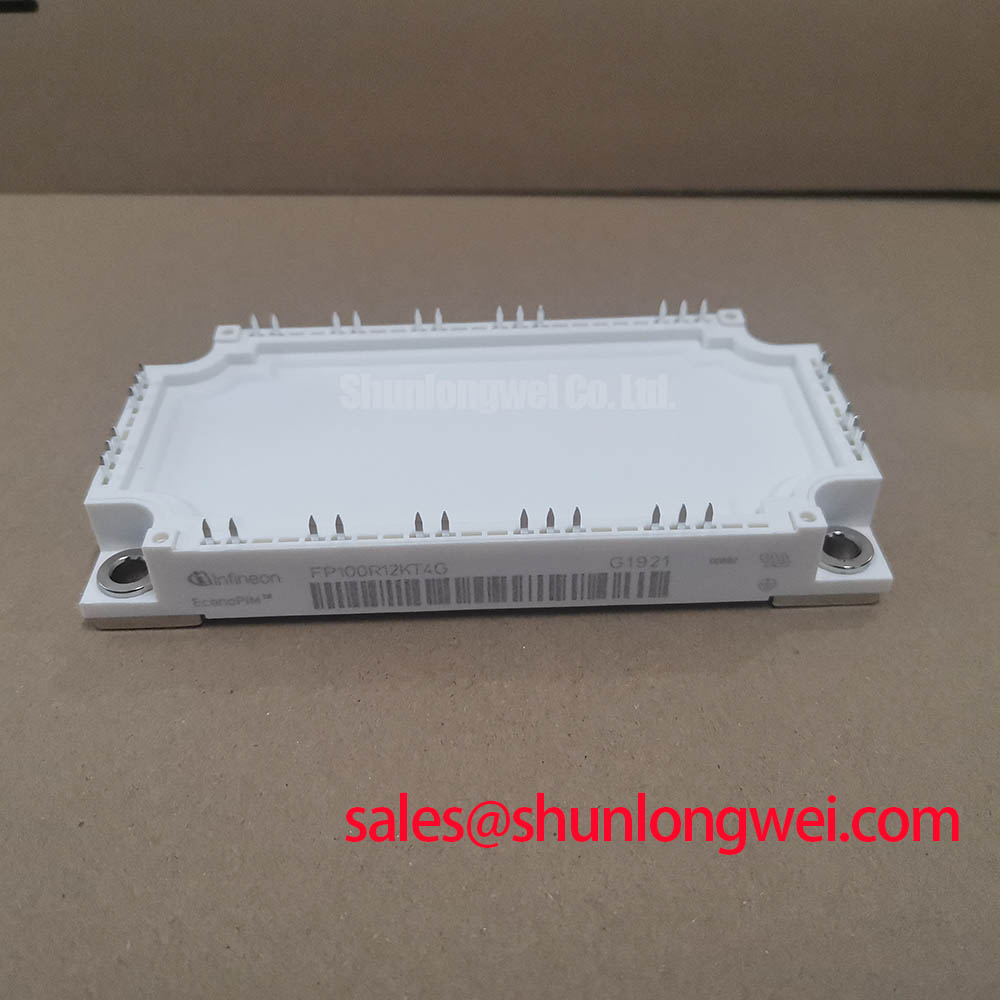
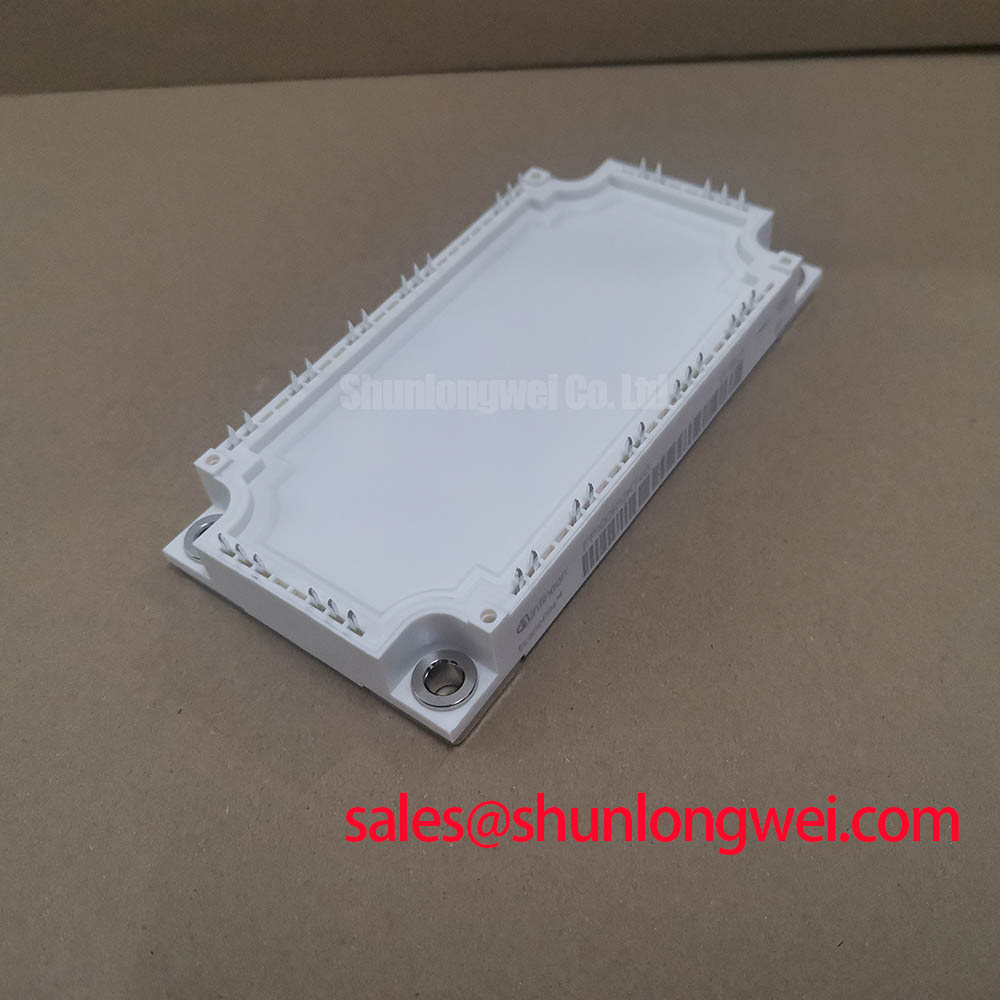
Technical Analysis Centered on IGBT4 Performance
The core of the FP100R12KT4G module is Infineon’s TRENCHSTOP™ IGBT4 technology. This generation of IGBTs is engineered to achieve a favorable trade-off between the collector-emitter saturation voltage (VCE(sat)) and total switching energy (Ets). With a typical VCE(sat) of 2.05V at a junction temperature of 125°C and 100A collector current, the module minimizes power loss during the on-state. This reduction in conduction losses is critical for applications that operate at lower to medium switching frequencies, directly impacting overall system efficiency and reducing heat generation.
Effective thermal management is fundamental to the reliability of any power module. The FP100R12KT4G specifies a thermal resistance from junction to case (Rth(j-c)) of 0.19 K/W per IGBT. Think of thermal resistance as the width of a pipe for heat; a lower value signifies a wider pipe, allowing heat to escape more easily from the semiconductor junction to the heatsink. This efficient heat dissipation, facilitated by the EconoPIM™ 3 housing’s DCB (Direct Copper Bonded) substrate, is essential for maintaining the junction temperature within safe operating limits, thereby enhancing the module’s operational lifespan.
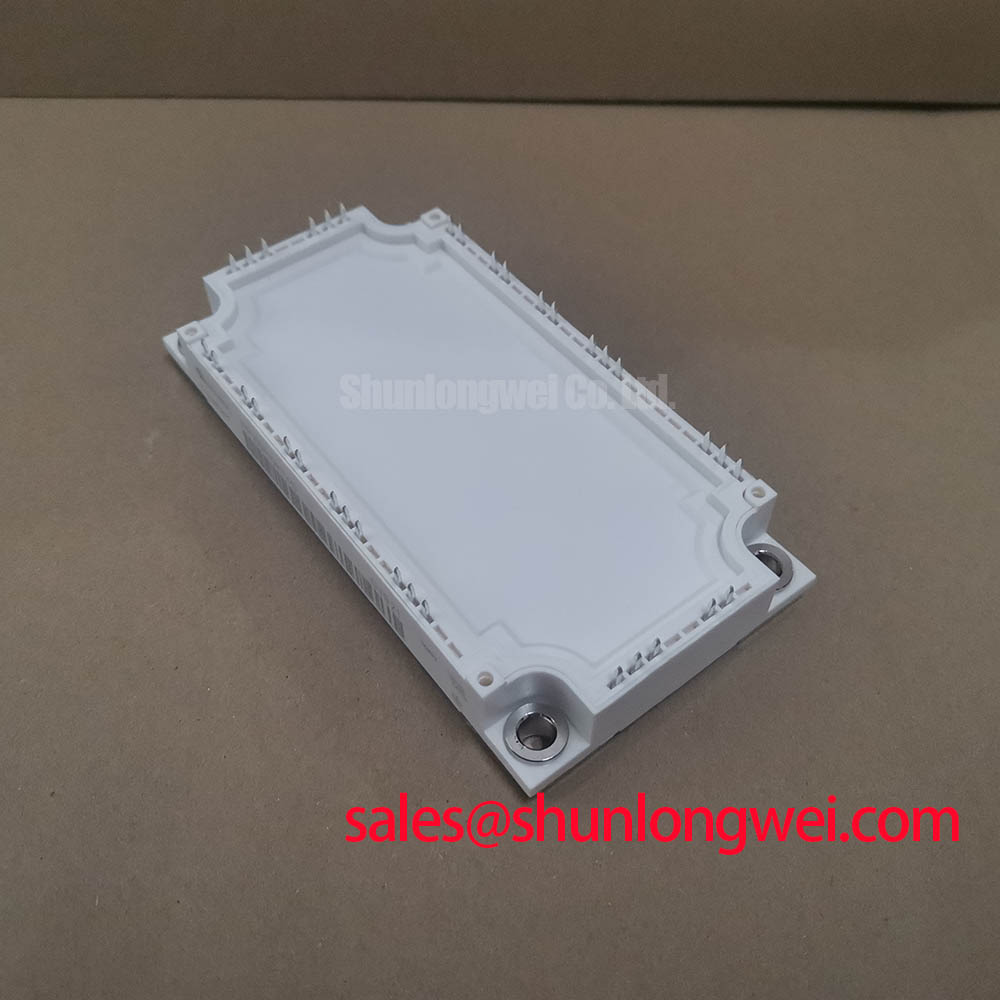
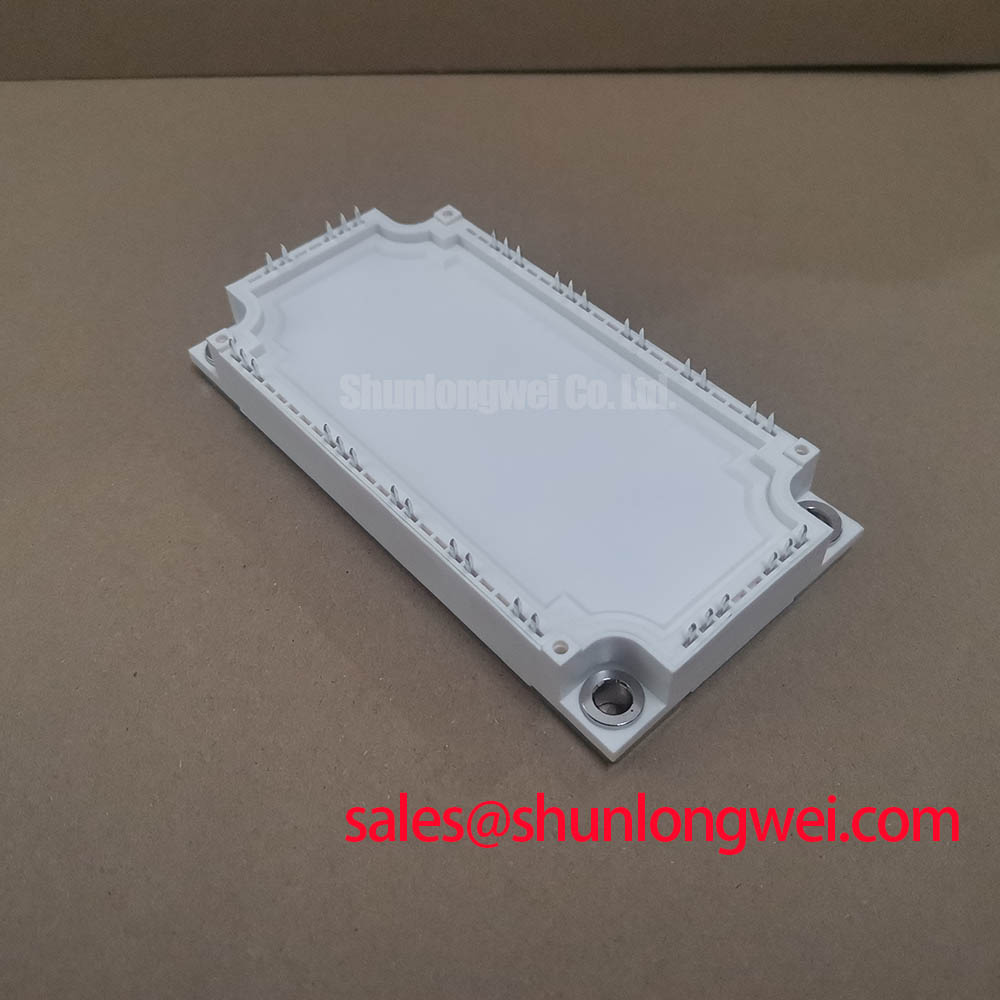
Optimized Application Scenarios
The specifications of the FP100R12KT4G align it with several industrial power conversion applications.
- Motor Drives: The module’s 100A nominal current rating and robust short-circuit withstand time of 10 µs provide the durability needed to handle the dynamic loads and potential fault conditions common in industrial motor control.
- Solar Inverters: The balanced efficiency profile of the IGBT4 chip is well-suited for the typical operating frequencies of solar energy systems, maximizing energy harvest by minimizing power conversion losses.
- Uninterruptible Power Supplies (UPS): Low VCE(sat) leads to high efficiency during continuous operation, a key requirement for UPS systems to reduce operating costs and improve reliability.
- Welding Equipment: The module’s ability to handle repetitive peak currents (ICRM = 200A) makes it suitable for the pulsed power demands of modern welding power supplies.
This module is best matched for systems requiring a balance of cost-effectiveness, high efficiency at moderate frequencies, and proven industrial-grade reliability.
Key Specification Parameters
| Parameter | Symbol | Value | Conditions |
|---|---|---|---|
| Absolute Maximum Ratings | |||
| Collector-Emitter Voltage | VCES | 1200 V | Tvj = 25°C |
| Continuous DC Collector Current | IC,nom | 100 A | TC = 95°C |
| Gate-Emitter Peak Voltage | VGES | ±20 V | |
| IGBT, Inverter – Electrical Characteristics | |||
| Collector-Emitter Saturation Voltage | VCE sat | 2.05 V (typ) | IC = 100A, VGE = 15V, Tvj = 125°C |
| Gate Threshold Voltage | VGE(th) | 5.2V to 6.4V | IC = 3.80mA, Tvj = 25°C |
| Short Circuit Withstand Time | tsc | 10 µs | VGE ≤ 15V, VCC ≤ 800V, Tvj ≤ 150°C |
| Thermal Characteristics | |||
| Thermal Resistance, Junction-to-Case | Rth(j-c) | 0.19 K/W | per IGBT |
Engineer’s FAQ
What makes the FP100R12KT4G a suitable choice for a 100A motor drive?
This module’s 100A nominal current rating, coupled with a robust 10 µs short-circuit withstand time and the low conduction losses inherent to its IGBT4 technology, provides the performance and durability required for demanding motor drive applications.
How can thermal design be optimized for this module?
To optimize thermal performance, it is crucial to use a high-quality thermal interface material (TIM) between the module’s baseplate and the heatsink. The heatsink’s thermal resistance should be calculated based on the module’s Rth(j-c) value (0.19 K/W per IGBT) and the total expected power dissipation to ensure the maximum junction temperature of 175°C is not exceeded during operation.
What is the purpose of the integrated NTC thermistor?
The built-in NTC (Negative Temperature Coefficient) thermistor provides a means for real-time temperature monitoring of the module’s baseplate. This feedback can be used by the system’s control unit to implement over-temperature protection, derate power, or adjust cooling fan speed, significantly enhancing overall system reliability and safety. An understanding of the integrated NTC is key to IGBT module reliability.
What are the recommended gate drive voltage levels?
The datasheet specifies a maximum gate-emitter voltage (VGES) of ±20V. For optimal switching performance and to prevent damage, the gate drive circuit should be designed to operate within this absolute maximum range. Referencing the characteristic curves will provide guidance on the ideal positive voltage (typically +15V) to ensure full saturation and low VCE(sat).
Enabling Reliable Power Conversion
The FP100R12KT4G provides a technically sound foundation for power electronics engineers developing high-efficiency inverters and drives. Its integration of well-regarded IGBT4 silicon within a thermally efficient and industrially standardized package allows for the creation of power conversion systems that are both reliable and performant. The module’s balanced loss characteristics directly contribute to systems that can operate with reduced cooling requirements and higher overall efficiency.