Sharp LM64C35P: A Technical Review for Industrial System Integration
Sharp LM64C35P 9.4-inch VGA Monochrome LCD Display Module
High-Contrast Monochrome Display for Industrial Systems
The Sharp LM64C35P is a 9.4-inch monochrome Cold Cathode Fluorescent Lamp (CCFL) backlit Liquid Crystal Display (LCD) module. It is engineered to deliver reliable performance in industrial applications where clarity and durability are critical. This passive-matrix CSTN (Color Super-Twisted Nematic) display provides a clear 640 x 480 (VGA) resolution, optimized for displaying text, graphics, and user interface elements with high legibility. Its standard parallel interface facilitates straightforward integration into a wide range of legacy and new equipment designs.
- Core Specifications: 640 x 480 Pixels | 15:1 Contrast Ratio | 70 cd/m² Brightness
- Key Engineering Value: Provides unambiguous readability for critical data and status indicators. Its established design supports long-term product lifecycles, mitigating the need for frequent system redesigns.
- Integration Insight: The module’s separate power inputs for logic and the CCFL backlight allow for independent control, which can be beneficial for system power management and diagnostics.
Download Official Datasheet (PDF)
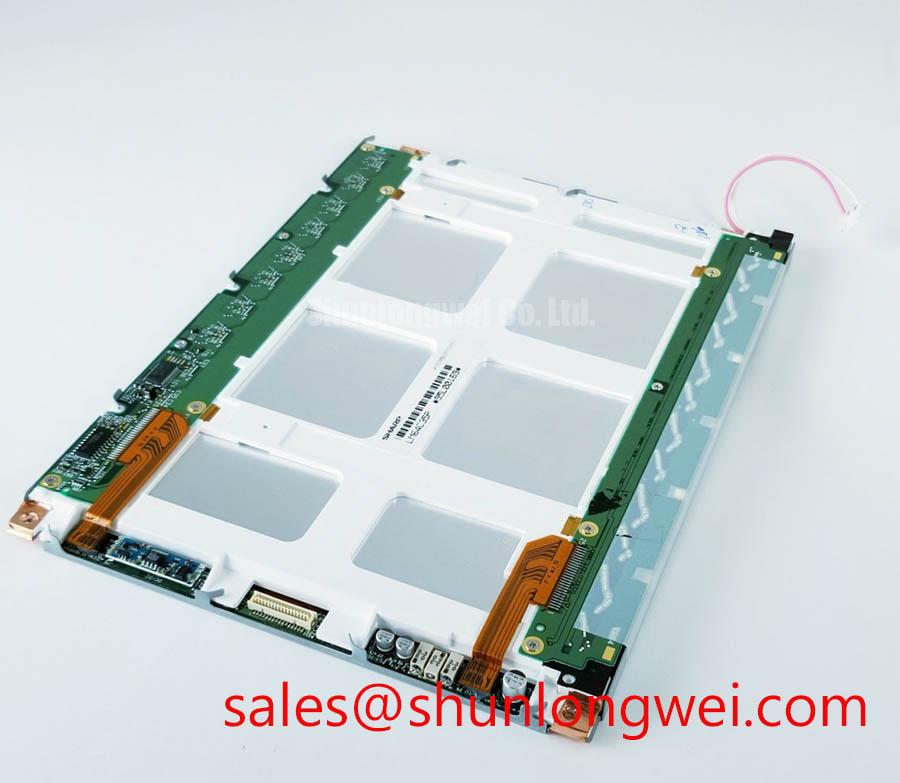
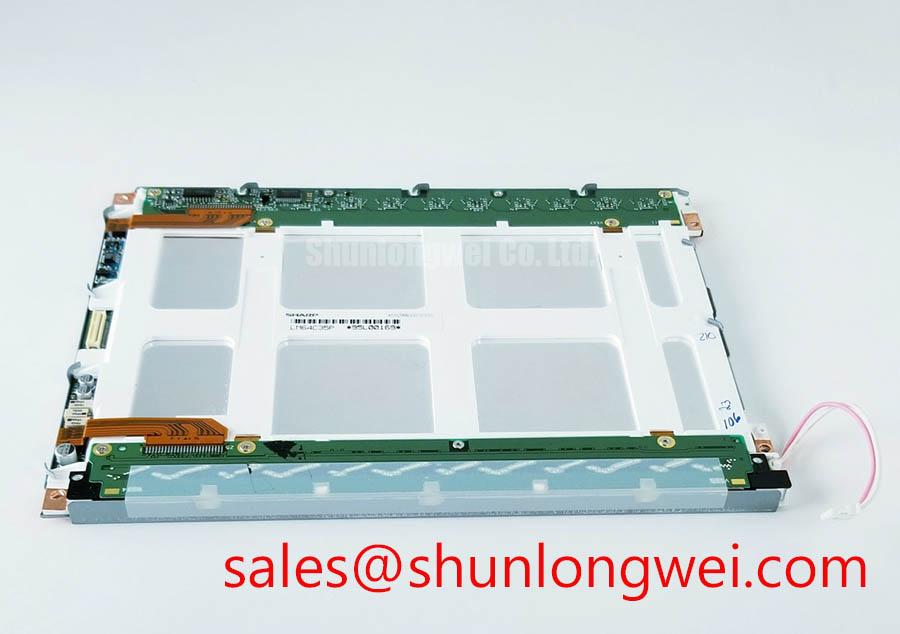
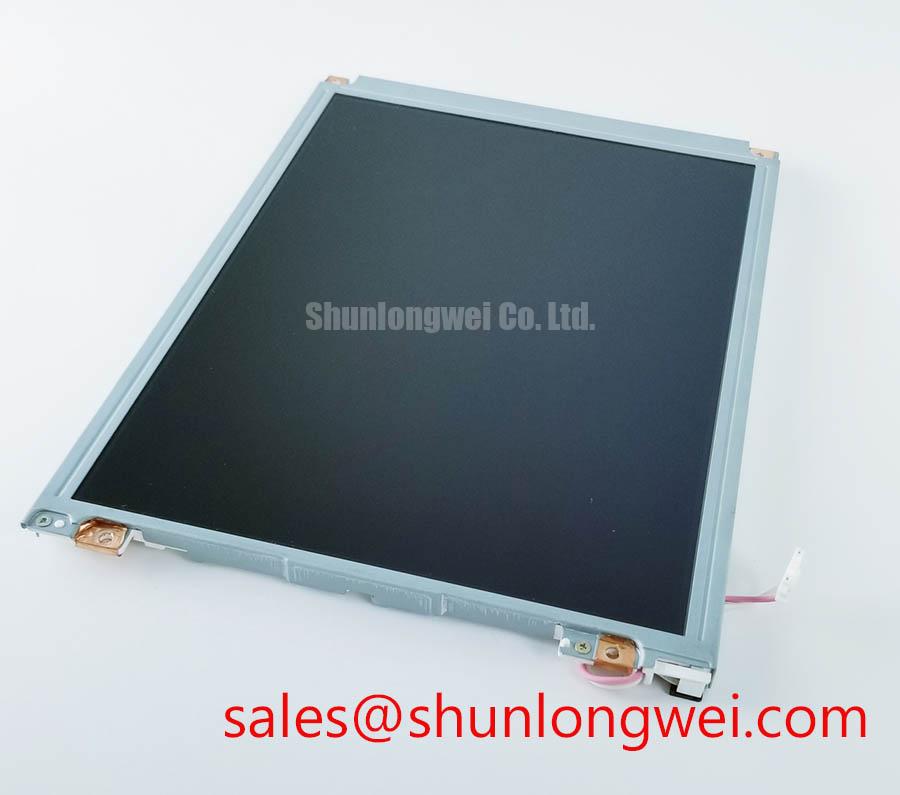
Technical Analysis for System Integration
The engineering value of the LM64C35P is centered on its visual performance and stability within its intended operating environments. The specified contrast ratio of 15:1 is a key parameter for a monochrome passive-matrix display. You can think of contrast ratio as the clarity of black ink on white paper; a higher value ensures that pixels are distinctly visible against their background. For an industrial HMI displaying critical parameters or schematics, this level of contrast reduces the potential for operator misinterpretation, particularly under variable factory lighting. This focus on fundamental readability is a cornerstone of industrial display technology.
Furthermore, the display’s architecture is built for consistency. It utilizes a parallel 4-bit digital interface (D0-D3) for data transmission, a standard method that is well-documented and robust against the electrical noise common in industrial settings. The response time, specified at 250ms (rise) and 150ms (fall), is well-suited for applications that do not require full-motion video, such as status panels, diagnostic screens, and menu-driven interfaces. This deliberate design choice favors reliability and image stability over high-speed video performance, aligning with the operational demands of its target applications.
Optimized Application Scenarios
The specific performance characteristics of the LM64C35P make it a strong candidate for several industrial use cases:
- Industrial Control Panels: Its 640×480 resolution is sufficient for rendering complex GUIs, process schematics, and diagnostic menus with excellent clarity.
- Test and Measurement Equipment: The high-contrast monochrome screen provides unambiguous readouts of numerical data, waveforms, and measurement statuses.
- Legacy System Sustainment: As a component with a standard interface and form factor, it serves as a viable option for repairing or maintaining long-deployed equipment, avoiding costly system-level redesigns.
- Point-of-Sale (POS) Terminals: The display offers clear visibility for transaction details and operator prompts in controlled lighting environments.
This module is best matched for systems that require a durable, easy-to-integrate VGA display where long-term readability of static information is the primary function.
Key Specifications of the LM64C35P
| Parameter | Specification |
|---|---|
| Display Characteristics | |
| Display Technology | CSTN (Blue Mode), Passive Matrix |
| Screen Size | 9.4 inches (24 cm) diagonal |
| Resolution | 640 x 480 pixels (VGA) |
| Active Area | 192 (W) x 144 (H) mm |
| Pixel Pitch | 0.30 (W) x 0.30 (H) mm |
| Contrast Ratio | 15:1 (Typical) |
| Brightness | 70 cd/m² (Typical) |
| Backlight | 1 x Cold Cathode Fluorescent Lamp (CCFL) |
| Electrical & Interface | |
| Logic Supply Voltage (Vdd) | +5.0 VDC ±5% |
| Logic Power Consumption | 1.2 W (Typical) |
| Backlight Lamp Voltage | 340 Vrms (Typical) |
| Backlight Lamp Current | 5.0 mArms (Typical) |
| Interface | 4-bit Parallel Data (D0-D3), plus control signals (L, F, CL1, CL2) |
| Mechanical & Environmental | |
| Module Dimensions | 256 (W) x 174 (H) x 21 (D) mm |
| Weight | 620 g (Typical) |
| Operating Temperature Range | 0°C to +45°C |
| Storage Temperature Range | -25°C to +60°C |
Engineer’s Frequently Asked Questions (FAQ)
1. What is the required power sequencing for the LM64C35P?
According to the datasheet, the +5V logic supply (Vdd) should be applied first. The display signals (L, F, CL1, CL2, Data) should be stable or at a low level during power-on. The backlight inverter should only be activated after the logic supply is stable to prevent any display anomalies.
2. Does the CCFL backlight require a separate inverter?
Yes, an external inverter is required to drive the CCFL backlight. The datasheet specifies a typical lamp voltage of 340 Vrms and a current of 5.0 mArms. The inverter selected must be capable of providing these specifications to ensure proper brightness and backlight lifespan. Proper backlight management is essential for system longevity.
3. How are different shades of blue achieved on this monochrome display?
The LM64C35P uses Frame Rate Control (FRC) to simulate grayscale. By modulating the pixel on/off state over multiple frames, it can create the appearance of different brightness levels, which translate to different shades of blue in its “blue mode” operation.
4. What are the key signals for the parallel data interface?
The interface consists of a 4-bit data bus (D0 to D3), a frame signal (F), a line latch signal (L), a shift clock (CL1), and a latch pulse (CL2). These signals work together to load pixel data row by row into the display drivers.
Enabling System Longevity and Clarity
The LM64C35P provides a robust solution for systems that depend on clear, reliable display of information without the complexity of modern high-resolution panels. Its proven CSTN technology, combined with a standard VGA resolution and parallel interface, offers a stable platform for engineers tasked with designing or maintaining long-lifecycle industrial equipment. This focus on foundational performance ensures it remains a relevant component for targeted HMI applications.