Sharp LM64C35: A Technical Review for Legacy System Integration
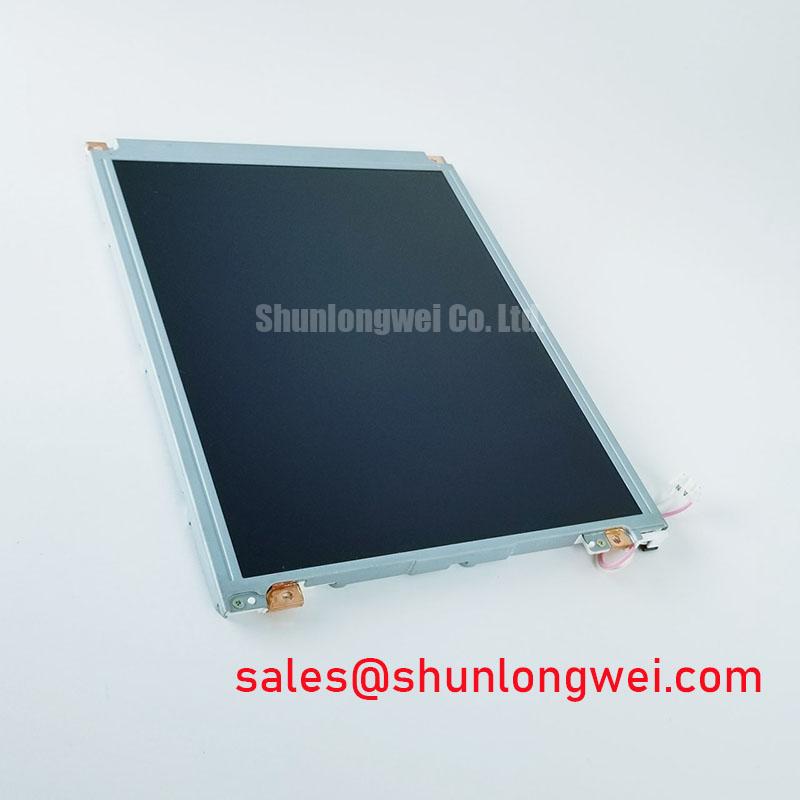
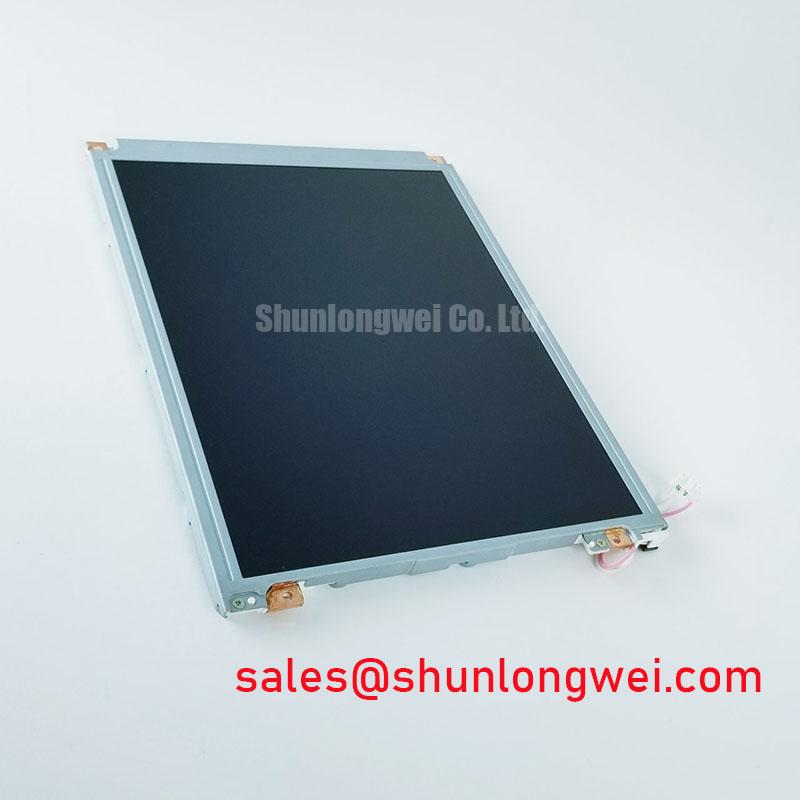
Sharp LM64C35 9.4-inch VGA Color STN-LCD Module
Introduction and Core Highlights
The Sharp LM64C35 is a 9.4-inch passive-matrix Color STN (CSTN) LCD module delivering reliable 640×480 VGA resolution. Its primary value proposition lies in providing a durable color display solution for industrial equipment and legacy systems, characterized by low power consumption and an integrated driver architecture that simplifies system integration. This display is engineered for applications where visual clarity, component longevity, and efficient operation are essential evaluation criteria.
- Core Specifications: 640×480 Resolution | 9.4-inch Diagonal | Parallel Data Interface
- Key Advantages: Low power consumption (3.6W typical) reduces thermal load. Integrated drive circuitry simplifies connection and controller design.
- User Intent Answered: This module’s standard 8-bit parallel data interface and logic-level signals are well-documented, enabling straightforward replacement of similar-era VGA displays.
Note: This is a legacy component. An official datasheet could not be located; specifications are compiled from aggregated sources and should be verified for your application. No guarantees of availability are made.
Technical Analysis for System Integration
The engineering value of the LM64C35 is centered on its balance of performance and efficiency for its technology class. The specified typical power consumption of 3.6 watts is a critical parameter. For designers of portable or fanless industrial terminals, this low power draw translates directly to longer battery life and reduced internal heat, minimizing the need for complex thermal management solutions. The heat generated by a display can significantly impact the reliability of adjacent components, making this low consumption a key benefit.
Furthermore, the display’s contrast ratio of 30:1, while modest by modern standards, was a strong specification for CSTN technology. Think of contrast ratio as the clarity of separation between the darkest and brightest parts of an image. A higher ratio means text and graphical elements are more distinct and legible, which is crucial for reducing operator eye strain in industrial human-machine interfaces (HMIs). This level of contrast ensures that critical information is clearly communicated to the user under typical factory lighting conditions.
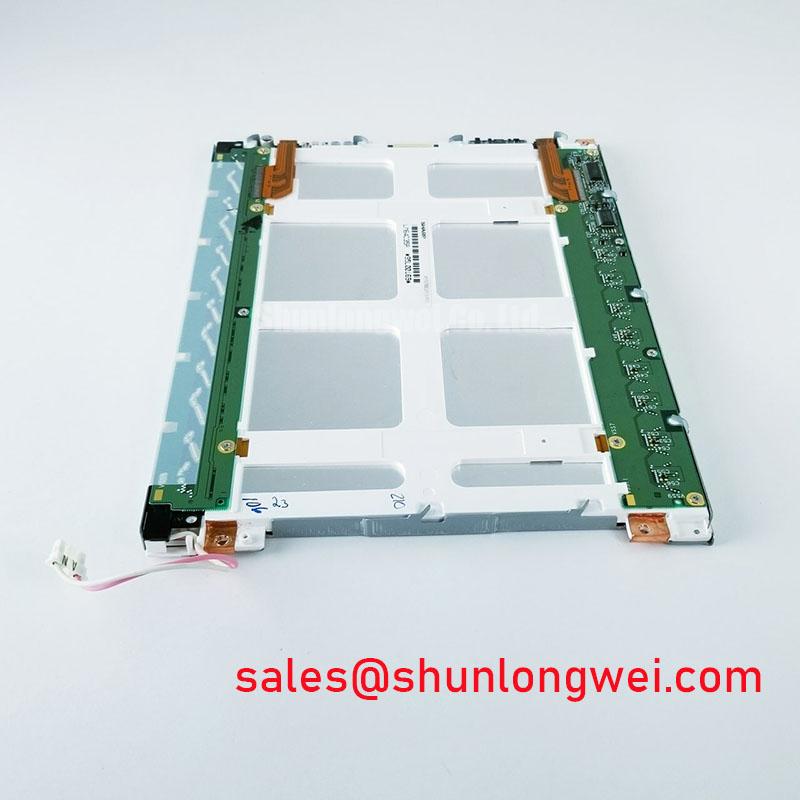
The integrated nature of the panel’s drive circuitry is another significant advantage. It presents a standard parallel data interface, simplifying the electrical connection to a host controller. This avoids the need for external, complex driver boards that were often required for early LCDs, thereby reducing design complexity, component count, and potential points of failure. For engineers maintaining or upgrading legacy systems, this architecture can make the LM64C35 a more straightforward drop-in replacement.
Optimized Application Scenarios
The LM64C35 is specifically suited for maintaining and repairing long-life industrial and medical equipment from the mid-to-late 1990s. Its characteristics align well with the requirements of that era.
- Industrial Control Panels & HMIs: The 640×480 resolution is a perfect match for legacy HMI software, ensuring no scaling or redevelopment is needed.
- Test and Measurement Equipment: Its low power consumption is ideal for portable or benchtop units where thermal management and power budgets are tight.
- Medical Monitoring Systems: The 9.4-inch size and color capability provide a necessary upgrade from monochrome screens for displaying vital signs and waveforms with improved clarity.
- Point-of-Sale (POS) Terminals: The compact and lightweight design is well-suited for integrated POS systems where space is a premium.
Its combination of VGA resolution, low power, and integrated drivers makes it a best match for sustaining the operational life of established industrial systems.
Key Specifications of the LM64C35
| Optical & Electrical Characteristics (Ta = 25°C) | |
|---|---|
| Display Technology | Color STN (CSTN), Transmissive |
| Screen Size | 24 cm (9.4 inches) diagonal |
| Resolution | 640 x 480 dots (VGA) |
| Typical Contrast Ratio | 30:1 |
| Typical Response Time | Tr: 220 ms, Td: 80 ms |
| Typical Brightness | 70 cd/m² |
| Interface | 8-bit Parallel Data, 31-pin Connector |
| Logic Power Supply (Vdd) | 5.0V (Typical) |
| Backlight System | Cold Cathode Fluorescent Lamp (CCFL) |
| Operating Temperature Range | 0°C to +40°C |
| Storage Temperature Range | -25°C to +60°C |
| Module Dimensions (W x H x D) | 257.5 x 174.0 x 12.0 mm |
| Weight | 500g (Typical) |
Engineer’s FAQ
1. Is the LM64C35 a suitable replacement for older monochrome VGA displays?
Yes, in many cases. The LM64C35 offers a VGA (640×480) resolution and a standard parallel interface common in systems of its era. This makes it a strong candidate for upgrading from monochrome to color, or replacing a failed color display, provided the host controller supports an 8-bit color data bus and the physical dimensions are compatible. Always verify pin assignments and logic voltage levels.
2. What is the primary challenge when integrating the LM64C35?
The main challenge is managing the CCFL backlight. It requires a separate high-voltage inverter, which is not integrated into the display module. Engineers must source a compatible inverter and ensure it provides the correct startup voltage and operating current for the lamp to achieve specified brightness and lifespan. Proper high-voltage wiring and shielding are also crucial for EMI compliance.
3. What are the operating temperature limits for this display?
The specified operating temperature range is 0°C to 40°C. Operation outside this range can lead to a significant decrease in contrast, slower response times, and potential damage to the liquid crystal material. The storage temperature range is wider, from -25°C to 60°C. Systems must be designed to maintain the ambient temperature around the display within its operational limits.
4. How does the passive-matrix (STN) technology impact visual performance?
As a passive-matrix display, the LM64C35 will exhibit slower response times (220/80 ms) and more limited viewing angles compared to modern active-matrix (TFT) panels. This can result in some “ghosting” or blurring with fast-moving graphics. However, for the static or slow-updating graphical interfaces found in most industrial control systems, its performance is entirely adequate and offers the benefit of lower power consumption.
Enabling System Longevity
The Sharp LM64C35 provides a technically sound solution for extending the service life of valuable industrial and medical equipment. Its adherence to the VGA standard, combined with low power draw and a compact mechanical profile, allows engineers to maintain critical systems without necessitating a complete and costly redesign. This module represents a strategic component for long-term product support and sustainment.