TLX-1741-C3M Toshiba 240×64 Monochrome Graphic LCD Module: Technical Specifications and Industrial Applications
TLX-1741-C3M Toshiba 240×64 Monochrome Graphic LCD Module
Reliable Graphic Visualization with Integrated T6963C Control
The TLX-1741-C3M stands as a robust architectural component for engineers maintaining or developing industrial-grade human-machine interfaces. This Toshiba-manufactured monochrome graphic LCD utilizes Super-Twisted Nematic (STN) technology to deliver high-contrast text and geometric data across a 240×64 dot matrix. By integrating the industry-standard T6963C controller, the module allows for direct interfacing with 8-bit microcontrollers, effectively offloading complex pixel management from the host system.
- Core Specifications: 240 x 64 Dots | Integrated T6963C Controller | STN Technology
- Key Advantages: Simplified logic interface for legacy system support and low power consumption for sustained operation.
- Design Intention: This module answers the common engineering challenge of sourcing high-reliability monochrome displays for environments where high-speed color refresh is secondary to data legibility and operational longevity.
Download Official Datasheet (PDF)
M3: Technical Analysis of the STN Architecture
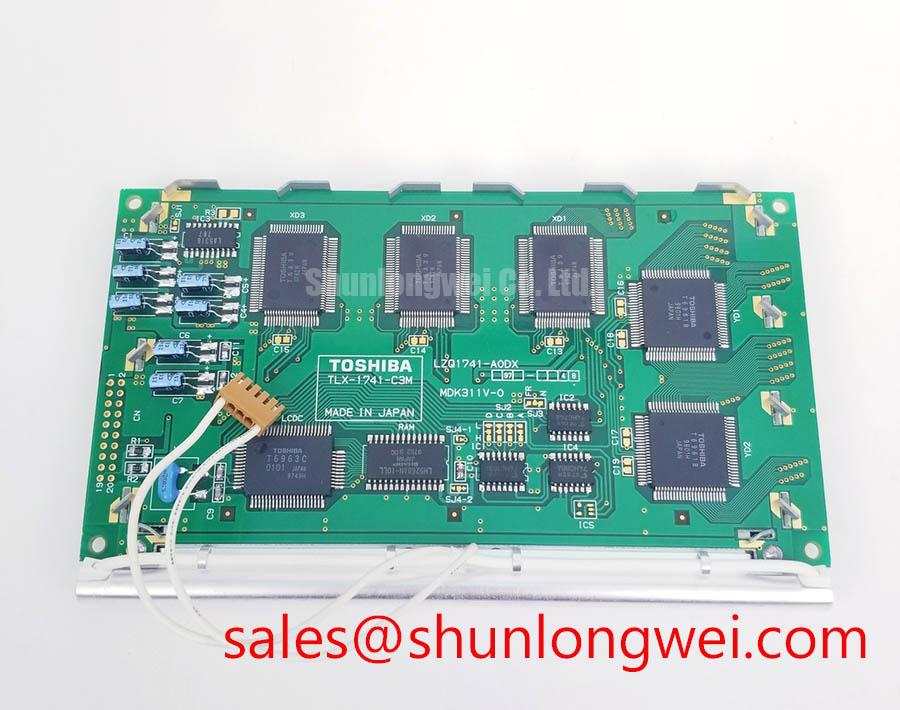
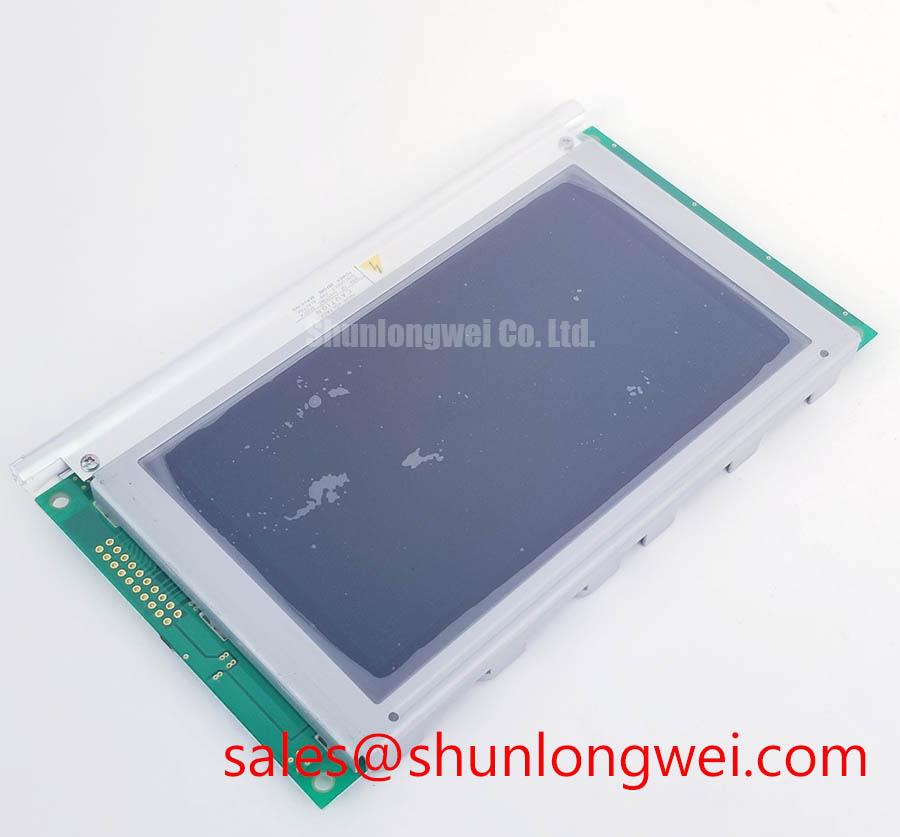
The TLX-1741-C3M relies on a precisely engineered STN liquid crystal layer. Unlike standard TN displays, the STN structure provides a higher level of “twist,” which significantly improves the contrast ratio and viewing angle. You can visualize the contrast ratio as the sharpness of a shadow on a bright pavement; the higher the ratio, the more the black text stands out against the background, ensuring operators can read critical data even in varied lighting conditions found in industrial plants.
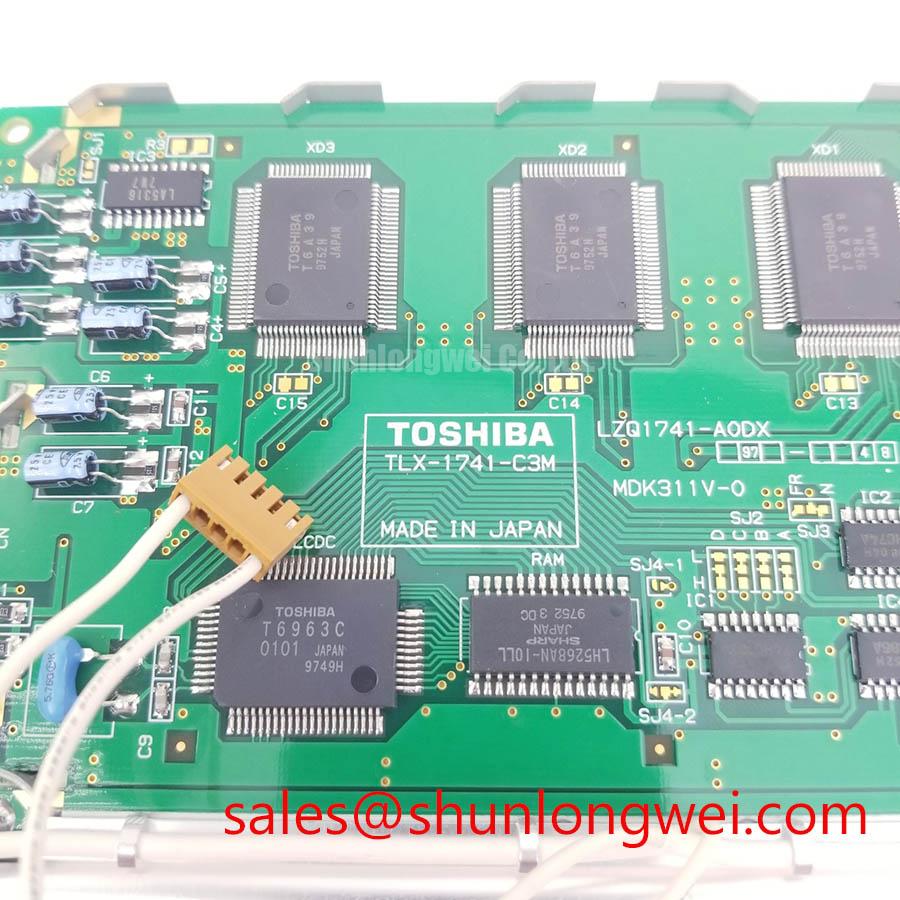
From an architectural perspective, the integration of the T6963C controller is the defining value of this display. This controller handles the internal timing and character generation, which means the microcontroller only needs to send data bytes rather than managing every individual sub-pixel. This structural efficiency is a core part of modern LCD core technology, allowing for stable performance in systems with limited processing overhead. Furthermore, the proactive management of industrial LCD backlight lifespan is essential when deploying the TLX-1741-C3M, as its CCFL or LED illumination must be thermally regulated to maintain consistent brightness over years of service.
M4: Optimized Application Scenarios
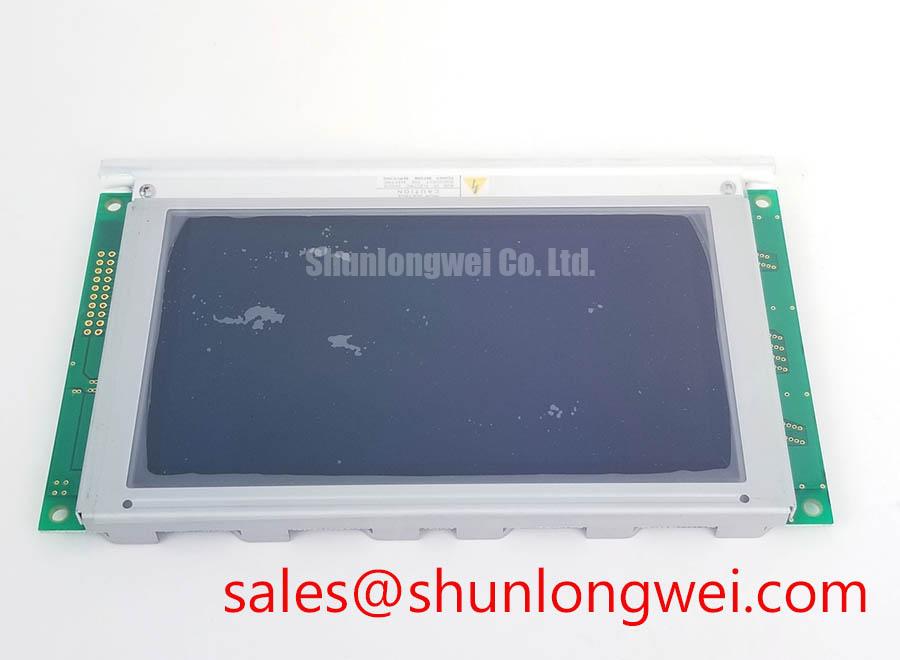
- Medical Diagnostic Equipment: The high-contrast monochrome output is ideal for displaying heart rate monitors or blood pressure waveforms where clarity is non-negotiable.
- Industrial CNC Controllers: Robust mechanical mounting and the T6963C interface provide a stable visual output for legacy machining centers and automation racks.
- Laboratory Test Instrumentation: Excellent for displaying complex data sets and graphs in handheld or benchtop meters due to its wide 240-dot width.
The TLX-1741-C3M is the optimal match for sustaining legacy hardware architectures requiring highly legible monochrome data visualization in high-vibration industrial environments.
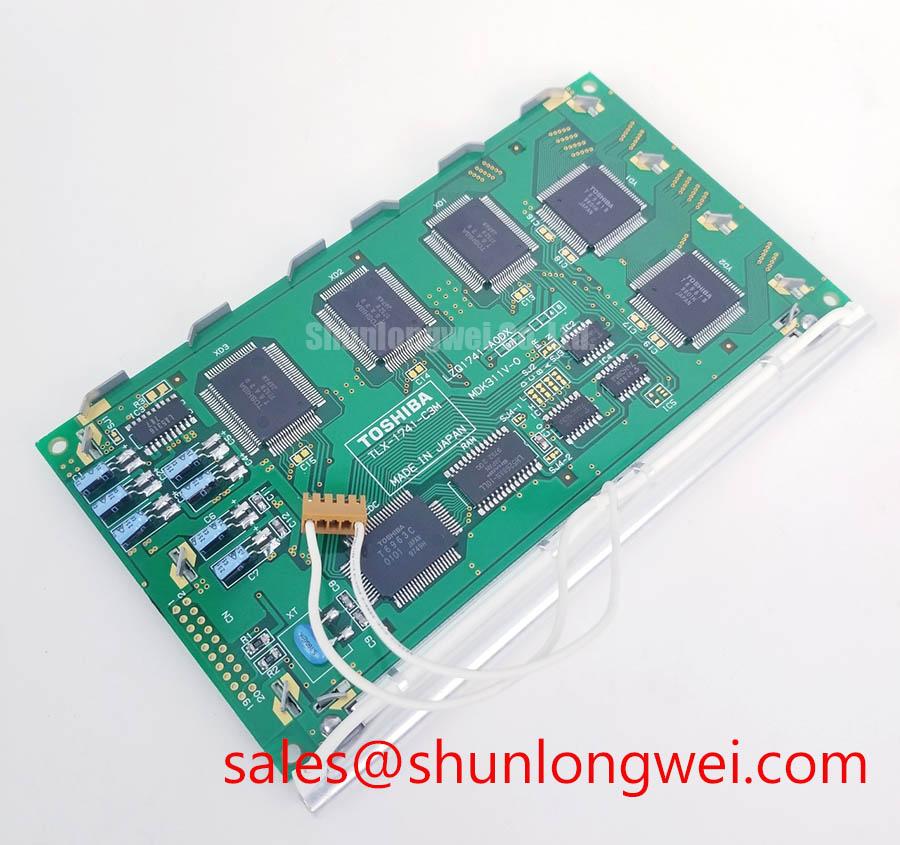
M5: Key Technical Specifications
| Category | Parameter | Specification |
|---|---|---|
| Mechanical Attributes | Dot Matrix | 240 (W) x 64 (H) Dots |
| Module Dimensions | 180.0 x 65.0 x 12.0 mm (Approx.) | |
| Viewing Area | 132.0 x 39.0 mm | |
| Electrical Characteristics | Supply Voltage (Logic) | 5.0V (Typical) |
| Driving Voltage (Vee) | Negative Voltage Requirement (-7V to -13V) | |
| Controller | Integrated T6963C or Equivalent | |
| Optical Performance | LCD Technology | STN Monochrome |
| Contrast Ratio | 6.0:1 (Typical) |
M6: Engineer FAQ
Q: Can the TLX-1741-C3M be driven by a 3.3V logic microcontroller?
A: While the logic supply typically requires 5.0V, logic level shifters are recommended when using 3.3V MCUs to ensure reliable data communication and prevent signal degradation.
Q: What is the significance of the negative voltage requirement for this module?
A: The STN crystals require a higher potential difference to switch effectively. Engineers must provide a stable negative voltage (Vee) to adjust the contrast; without this, the display may appear blank or washed out.
Q: Is this display suitable for high-speed video content?
A: No. STN displays have a relatively slow response time compared to modern TFT-LCD panels. It is designed for static data, text, and slow-refreshing graphics.
Q: How does this display perform in extreme cold?
A: As an liquid crystal device, the refresh rate slows significantly at low temperatures. In such cases, software compensation or an external heater may be necessary to maintain readability.
Closing Statement
The TLX-1741-C3M remains a critical component for industrial system sustainment, offering a verified pathway for maintaining high-legibility interfaces without requiring a complete system redesign. Its integration of the T6963C controller and robust STN optics ensures that engineers can rely on consistent performance across long-term product lifecycles. As mastering domestic component production continues to evolve, the demand for proven designs like this Toshiba module remains a cornerstone of industrial reliability.