Vicor V300B12H250BL: A Technical Analysis of a High-Density 250W DC-DC Converter
Vicor V300B12H250BL 250W DC-DC Converter Module
High-Density Power Conversion with ZCS/ZVS Architecture
The Vicor V300B12H250BL is an isolated DC-DC converter module engineered for high efficiency and power density. Its core value proposition lies in the use of a high-frequency Zero-Current Switching/Zero-Voltage Switching (ZCS/ZVS) architecture, which enables it to deliver 250W of output power from a compact “Mini” size package. This approach significantly reduces switching losses, contributing to higher efficiency and simplified thermal management in demanding applications.
- Core Specifications: 180-375V DC Input | 12V DC Output | 250W Power
- Key Advantages: High power density up to 100W/in³, low noise output
- Engineering Value: Reduces required board space and minimizes the need for external cooling hardware
For engineers evaluating power semiconductors, understanding the implications of topology is key; the ZCS/ZVS method allows for efficient operation across the entire input voltage range.
Download the official datasheet (PDF)
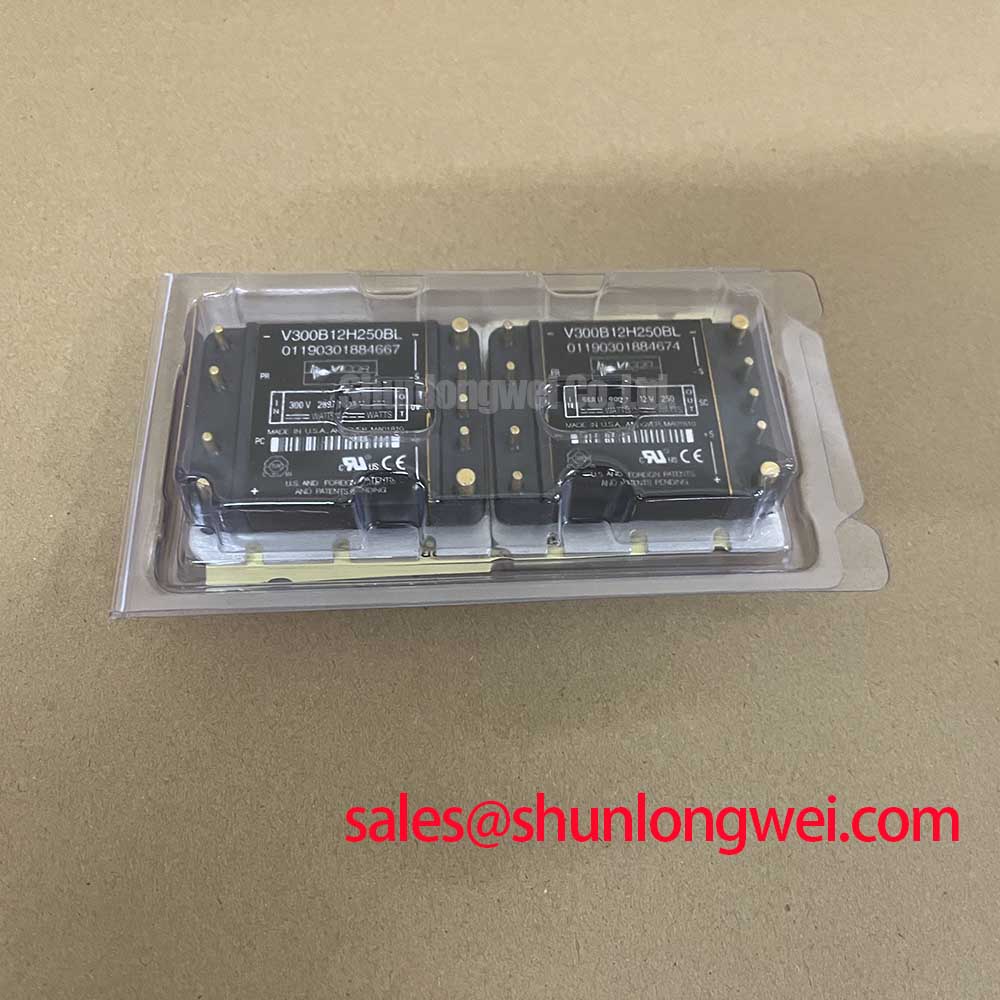
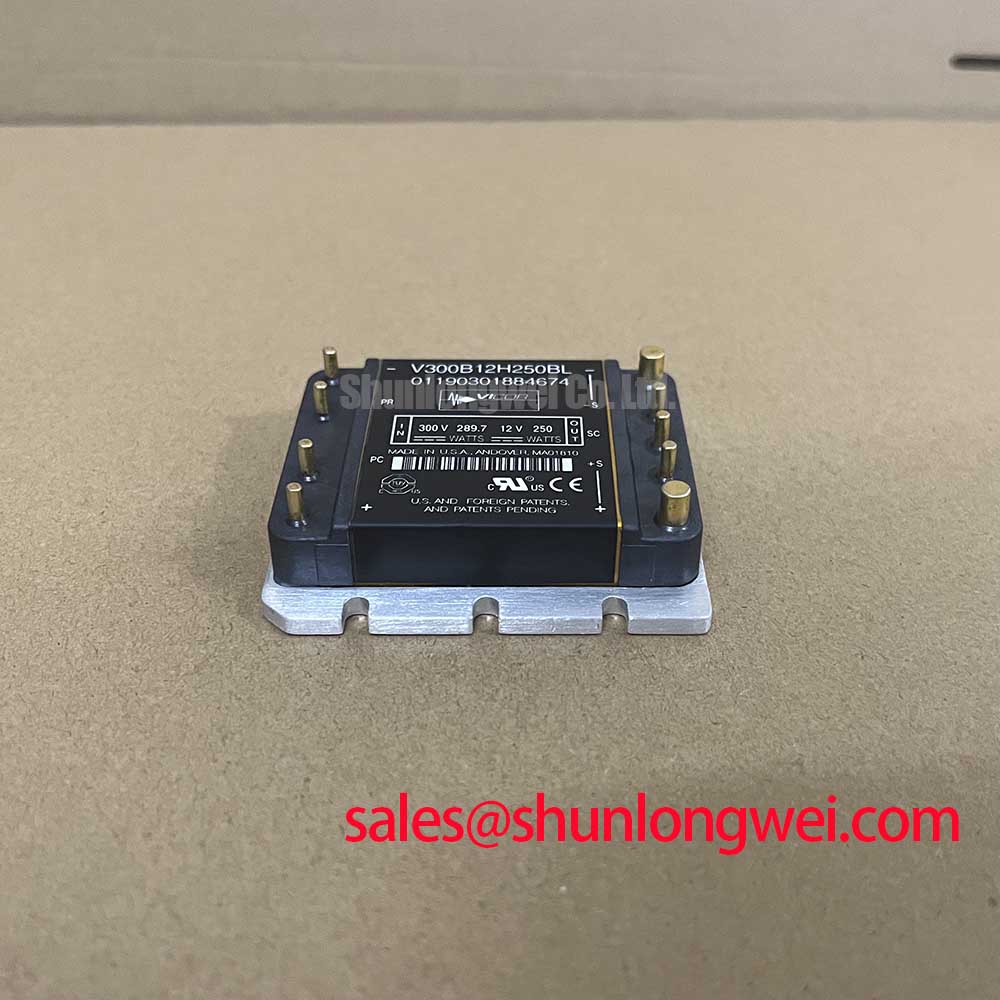
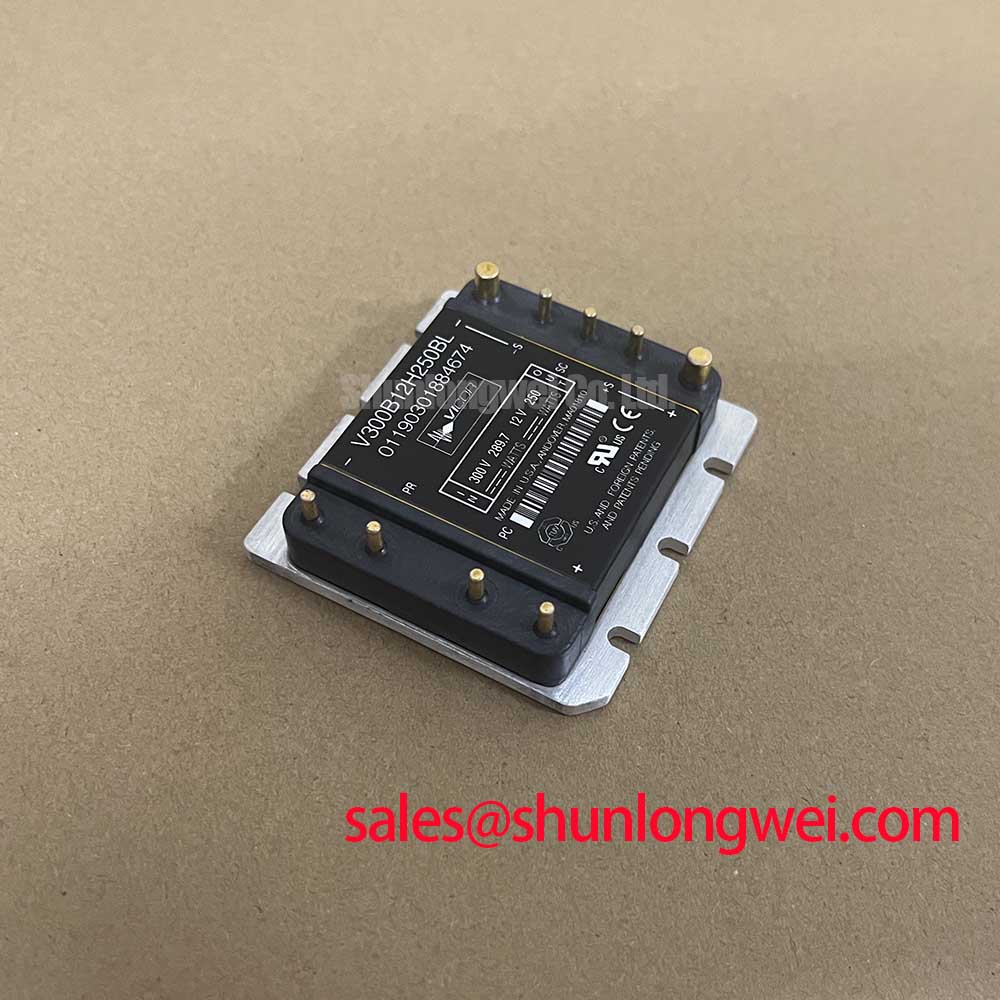
Technical Analysis: Power Density and Efficiency
The standout feature of the V300B12H250BL is its exceptional power density. Delivering 250W from a package measuring just 2.28″ x 1.45″ x 0.5″ is a direct result of its advanced switching topology. Think of the ZCS/ZVS architecture as a seamless gear shift in a high-performance vehicle; it engages the power transistors at moments of zero current or voltage. This minimizes the energy wasted as heat during each switching cycle, which is a common issue in conventional “hard-switching” converters. The result is an efficiency of up to 88%, which directly translates to less waste heat.
This efficiency has profound implications for system design. A cooler-running module enhances overall system reliability and longevity. The low thermal footprint, with a case-to-sink thermal resistance of 0.2 °C/W, means that heat can be evacuated effectively. This is analogous to a wide pipe for water; a lower thermal resistance allows heat to flow away from the component more easily, preventing overheating under load.
Optimized Application Scenarios
The V300B12H250BL is well-suited for a range of high-reliability applications where space and efficiency are critical parameters. The selection of suitable power semiconductors is crucial for system performance.
- Industrial and Process Control: Its wide input range of 180-375V DC easily accommodates fluctuations typical in factory power buses.
- Distributed Power Architectures: The module’s high density and isolated output make it an excellent choice for creating localized, regulated voltage rails from a higher voltage bus, reducing system-level noise and complexity.
- ATE (Automated Test Equipment): Stable, low-noise power is essential for measurement accuracy. The ZCS/ZVS topology inherently produces lower noise than conventional converters.
- Telecommunications Infrastructure: In densely packed systems, the high power density allows for more functionality in less space, a critical factor in modern communications hardware.
This module is an optimal match for systems requiring high-wattage, isolated power from a wide DC input without compromising on board space or thermal performance.
Key Specifications of the V300B12H250BL
| Electrical Characteristics (at Tc = 25°C unless otherwise specified) | |
|---|---|
| Input Voltage Range | 180 – 375 VDC |
| Output Voltage | 12 VDC |
| Output Power | 250 W |
| Output Current (Max) | 20.83 A |
| Efficiency | 86.3% (Typical) |
| Isolation Voltage | 3000 VRMS (Input to Output) |
| Operating Temperature (Case) | -40°C to 100°C |
| Package Dimensions | 2.28″ x 2.2″ x 0.5″ (57.9 x 55.9 x 12.7 mm) |
Engineer FAQ
- What are the primary thermal management considerations for a high-density 250W DC-DC converter like this one?
- While the V300B12H250BL is highly efficient, dissipating the waste heat from a 250W module is crucial. The datasheet specifies thermal resistance from case to heatsink. A proper heatsink and/or forced airflow is necessary to keep the case temperature below the 100°C maximum rating, especially under full load conditions.
- How is the output voltage trimmed?
- The output voltage is trimmable from 10% to 110% of its nominal 12V value. This is accomplished by connecting external resistors between the trim pins and the output pins, as detailed in the manufacturer’s application notes. This feature allows for precise voltage setting or compensation for voltage drops in the system.
- What are the benefits of the integrated OVP and UVLO features?
- The Over-Voltage Protection (OVP) and Under-Voltage Lockout (UVLO) are critical for system reliability. UVLO prevents the module from operating with insufficient input voltage, which could cause erratic behavior. OVP protects downstream components by shutting down the converter if the output voltage exceeds a preset limit, preventing potential damage.
- Can multiple V300B12H250BL modules be used in parallel?
- Yes, the datasheet confirms that these modules feature a single-wire paralleling capability. This allows for N+1 redundancy or for scaling total output power by connecting multiple units to a common load, simplifying the design of higher-power systems.
Enabling Compact and Reliable Power Systems
The V300B12H250BL DC-DC converter provides a robust solution for engineers tasked with designing power systems where performance cannot be compromised by size constraints. Its blend of a wide input range, high power density, and efficient operation facilitates the development of smaller, lighter, and more reliable end products. This module empowers the creation of sophisticated power conversion stages within demanding industrial and high-reliability environments.